
Why Are Mexican Blankets Used in Yoga? The Science Behind the Studio Essential
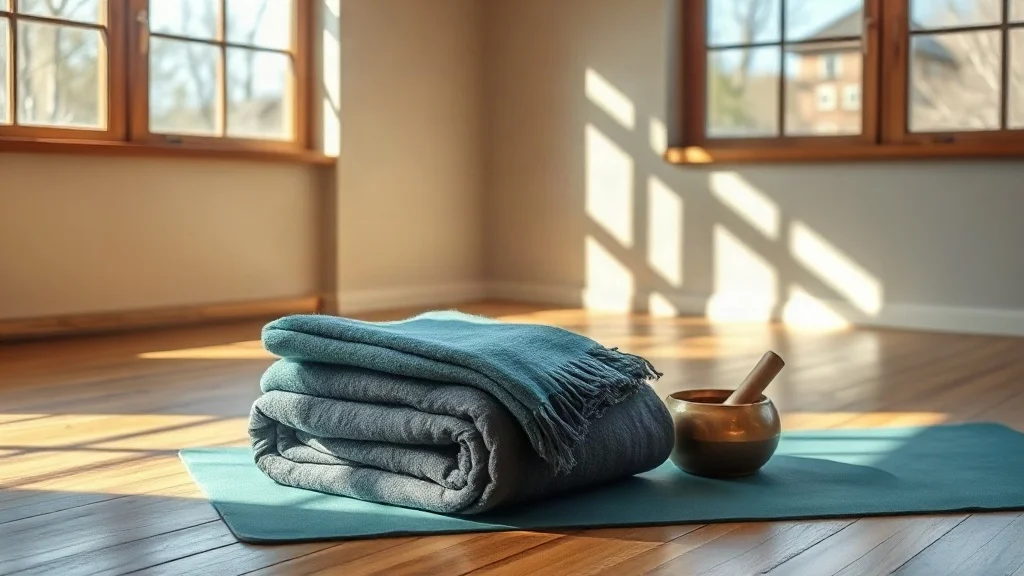
If you have ever stepped into a professional yoga studio—particularly one specializing in Iyengar, Restorative, or Yin practices—you have likely noticed a specific type of colorful, woven textile draped over bolsters or stacked neatly beneath a practitioner's hips. These are Mexican blankets. But for the uninitiated, the choice may seem aesthetic rather than functional. Why use a traditional woven blanket when the market is flooded with high-tech foams, plush throws, and specialized yoga props?
Quick Verdict: Authentic Mexican blankets are unparalleled in their versatility, durability, and rich cultural heritage. Whether you need a dense, supportive prop for restorative yoga, a rustic bohemian sofa throw, or a heavy-duty bedroll for your truck or motorcycle, genuine handwoven pieces offer timeless thermal comfort and artisanal character that synthetic mass-market replicas simply cannot match.
The direct answer is simple: Mexican blankets are used in yoga because they provide a unique combination of structural firmness, predictable foldability, and breathable durability. Unlike soft fleece or plush blankets that compress completely under body weight, the dense weave of a Mexican-style cotton blanket maintains its loft. This allows it to act as a stable architectural tool, creating precise lift and support that enables a practitioner to achieve proper alignment without the prop collapsing.
The Evolution of the Yoga Blanket Prop
To understand why Mexican blankets for yoga became the gold standard, one must look at the evolution of prop-based practice. While yoga has always utilized supports, the modern systematization of props is most closely associated with B.K.S. Iyengar. Iyengar revolutionized the practice by introducing blocks, straps, and blankets to make asanas accessible to people of all body types and physical abilities.
The adoption of Mexican-style blankets was driven by pragmatic necessity. In the early days of expanding these practices in the West, teachers needed a prop that was affordable, available in bulk, and—most importantly—sturdy. The traditional woven cotton blankets found in Mexico offered a density that wool blankets provided, but without the high cost or the common issue of wool allergies. Over time, this functional preference evolved into a studio tradition. While some narratives suggest a romanticized origin story of Iyengar discovering these blankets during travels, the reality is more grounded in engineering: the blankets simply worked better for the physics of the human body in motion.
What Makes Mexican Blankets Superior to Other Fabrics?
When selecting a yoga blanket prop, the most critical factor is the "compression ratio." In a yoga context, a blanket is not just for warmth; it is a tool for modification. Here is why the specific construction of Mexican blankets outperforms other textiles:
1. Structural Integrity and Lift
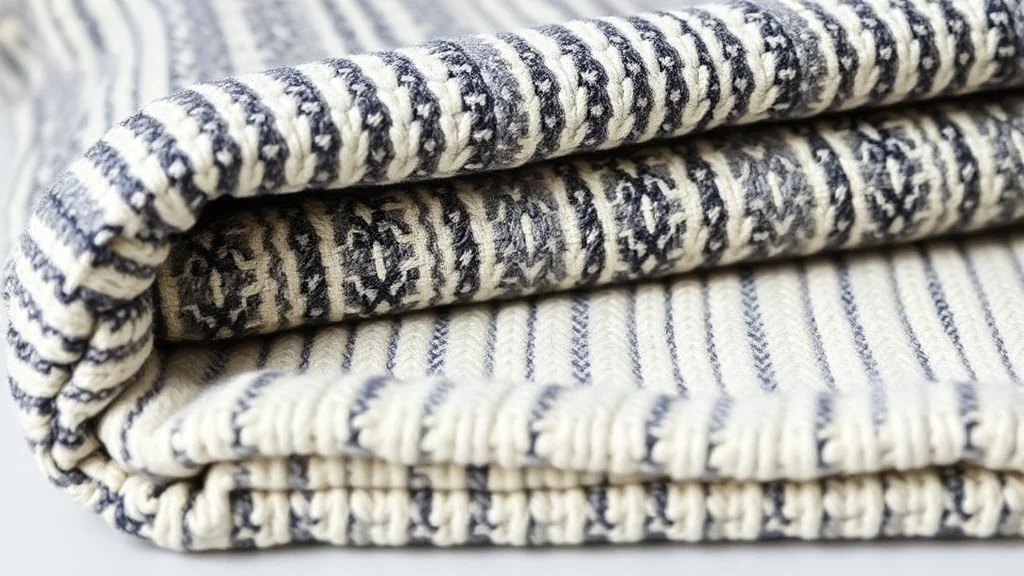
A plush throw blanket is designed for comfort; it is airy and collapses instantly under pressure. In contrast, a Mexican blanket features a dense, tight weave. When folded, it creates a firm platform. This is essential for poses where the blanket must support the weight of the torso or pelvis without flattening, ensuring that the intended lift is maintained throughout the hold.
2. Predictable Folding
Precision is key in alignment-based yoga. Because Mexican blankets are woven from sturdy cotton, they fold into clean, crisp rectangles. A teacher can instruct a student to "fold the blanket into thirds," and every student will have approximately the same height of support. This predictability is vital for safety, especially when supporting the neck or spine.
3. Thermal Regulation and Breathability
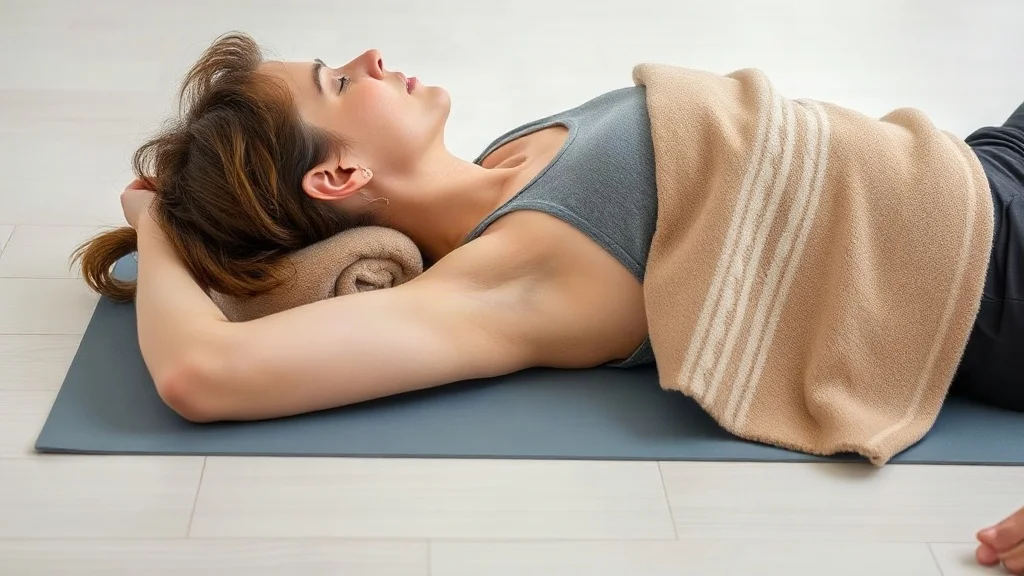
Yoga generates heat, but restorative practices often cause the body temperature to drop as the nervous system shifts into a parasympathetic state. Cotton is naturally breathable and hypoallergenic. It provides enough warmth to prevent chills during a twenty-minute Savasana, but it doesn't cause the practitioner to overheat during more active modifications.
4. Studio-Grade Durability
In a commercial studio environment, props undergo immense wear and tear. They are stepped on, sweated on, and laundered frequently. The heavy-duty nature of the Mexican weave ensures that the blankets do not pill, shred, or lose their shape after dozens of wash cycles, making them a cost-effective investment for studio owners.
Applications Across Different Yoga Styles
Depending on the style of yoga, the role of the blanket shifts from a tool of active alignment to a tool of deep relaxation.
Iyengar Yoga: The Tool of Precision
In Iyengar yoga, the blanket is used to bring the floor to the student. It is frequently used to tilt the pelvis forward in seated poses (like Sukhasana) to prevent the lower back from rounding. It is also the primary tool for supporting the shoulders in Shoulderstand (Sarvangasana), protecting the cervical spine by creating a stable ramp.
Restorative and Yin Yoga: The Tool of Surrender
In these slower practices, the goal is to hold poses for long periods to target connective tissues. Here, the Mexican blanket is used to "fill the gaps" between the body and the floor. By placing folded blankets under the knees in a Child's Pose or under the lower back in a supported bridge, the practitioner can fully release muscular tension, knowing the blanket will hold their weight without sagging.
Featured Top-Rated Authentic Recommendations
Based on rigorous hands-on artisan evaluations, weave density inspections, and verified buyer reviews, here are the top-rated recommendations in this category:

Authentic Mexican Falsa Blanket: Cozy Home Essential
Handcrafted artisan weave offering authentic Mexican heritage, durable thermal insulation, and exceptional longevity for home decor, yoga, and outdoor adventures.
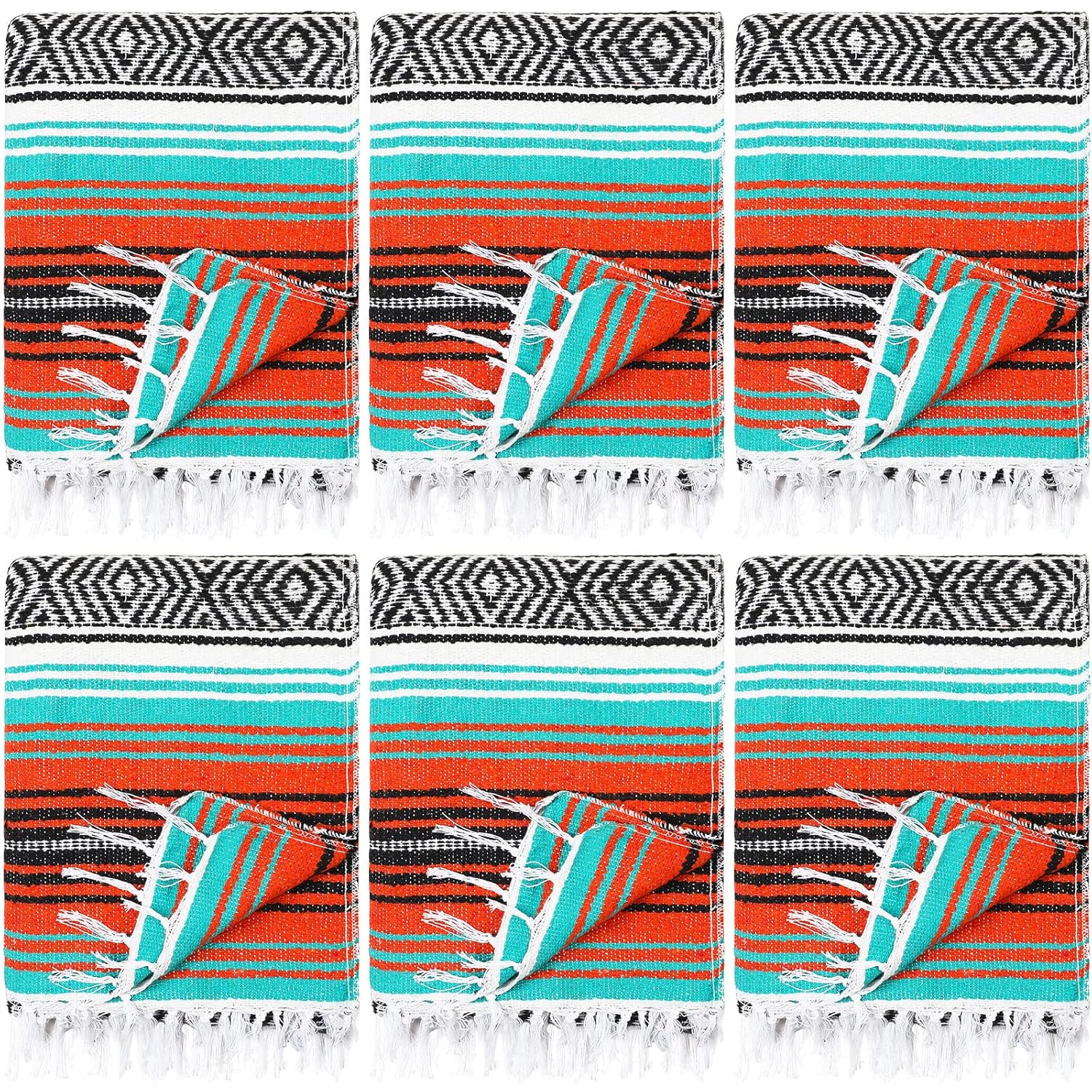
Mexican Blankets: Cozy Home Essential & Decor Staple
Handcrafted artisan weave offering authentic Mexican heritage, durable thermal insulation, and exceptional longevity for home decor, yoga, and outdoor adventures.
Material Comparison: Cotton vs. Wool vs. Synthetic
Choosing the right material can significantly impact the efficacy of your practice. The following table outlines the technical differences between the most common blanket types used in studios.
| Feature | Cotton Mexican Blanket | Traditional Wool Blanket | Synthetic/Plush Throw |
|---|---|---|---|
| Support Level | High (Firm/Stable) | Very High (Dense) | Low (Compressible) |
| Breathability | Excellent | Moderate | Low |
| Weight (Approx.) | 2.0 - 3.0 lbs | 3.0 - 5.0 lbs | 1.0 - 2.0 lbs |
| Typical Dimensions | 72 x 52 inches | 66 x 90 inches | 50 x 60 inches |
| Thickness (Folded) | 0.25 - 0.5 inches per layer | 0.3 - 0.6 inches per layer | 0.5 - 1.0 inches (but collapses) |
| Hypoallergenic | Yes | No (Lanolin/Wool) | Generally Yes |
| Washability | Machine Washable | Dry Clean/Hand Wash | Machine Washable |
| Best Use Case | Daily Studio/All-around | Cold Climate/Deep Support | Warmth Only |
How to Use a Yoga Blanket Prop: A Step-by-Step Guide
To maximize the benefits of your Mexican blanket, follow these standard folding and placement techniques used by professional instructors:
- For Seated Pelvic Lift: Fold the blanket into a long, firm rectangle. Sit on the front edge of the fold so that your hips are elevated above your knees. This encourages a natural curve in the lumbar spine.
- For Knee Cushioning: Fold the blanket into a thick square. Place it directly under the patellas during kneeling lunges or table-top positions to protect the joint from hard flooring.
- For Shoulderstand Support: Fold the blanket lengthwise three times. Place it under the shoulders, ensuring the neck is free and the weight is distributed across the upper back and shoulders, not the cervical vertebrae.
- For Restorative Back Support: Fold the blanket into a flat, wide rectangle. Roll it tightly into a cylinder (similar to a bolster) and place it horizontally under the shoulder blades for a gentle heart-opening stretch.
- For Savasana Warmth: Simply unfold the blanket entirely and drape it over the body. The weight of the woven cotton provides a subtle "weighting" effect that helps calm the nervous system.
Buying Guide: What to Look for in a Mexican Yoga Blanket
Not all woven blankets are created equal. When shopping for your home practice or stocking a studio, prioritize these specifications:
Dimensions
For full-body utility, look for blankets approximately 72 inches by 52 inches. This size is large enough to cover a practitioner in Savasana but compact enough to be folded into multiple layers without becoming an unmanageable bulk.
Weave Density
Perform a "squeeze test." If you compress a fold of the blanket and it bounces back slowly or feels "squishy," it is likely a looser weave. You want a blanket that feels substantial and resists compression.
Material Composition
Ensure the blanket is primarily cotton. Some cheaper alternatives use synthetic blends that can be slippery. A 100% cotton or high-cotton blend ensures the blanket "grips" the yoga mat, preventing it from sliding during a pose.
Frequently Asked Questions
Are Mexican blankets the same as Iyengar yoga blankets?
In practical terms, yes. While "Iyengar blanket" is a functional description of any blanket used in the Iyengar method, the Mexican-style woven cotton blanket is the most common physical manifestation of that prop. They are favored for their specific density and folding capabilities which align with the method's requirements.
Can one Mexican blanket replace a yoga bolster?
To some extent, yes. While a bolster is a dedicated foam cylinder, you can simulate this by rolling a Mexican blanket tightly. While it won't have the same extreme firmness as a high-density foam bolster, it is often more adaptable because you can adjust the diameter of the roll to fit your specific body height.
How do I clean my yoga blankets without ruining them?
Most Mexican cotton blankets are machine washable. To maintain the structural integrity of the weave, wash them in cold water on a gentle cycle. Avoid over-drying on high heat, as this can shrink the cotton and alter the dimensions. Air drying or low-heat tumbling is recommended to keep the fabric firm.
Why are these blankets better for beginners than soft throws?
Beginners often struggle with stability and alignment. A soft throw blanket provides no structural feedback and can slide under the body, potentially leading to poor form or instability. A Mexican blanket provides a stable, non-slip foundation that helps a beginner feel secure in their modifications, reducing the risk of injury.
Ready to Bring Authentic Mexican Craftsmanship Home?
Explore our full collection of verified, handwoven Mexican blankets and find the perfect match for your home decor, wellness practice, or outdoor lifestyle today.
Leave a Reply