
How to Fold a Mexican Yoga Blanket for 7 Essential Restorative Poses
In the practice of restorative yoga, the difference between a pose that feels like a chore and one that feels like a sanctuary is the quality of your support. While many practitioners invest in expensive bolsters and blocks, the most versatile tool in any studio is the Mexican-style woven blanket. Its unique weight, thickness, and structural integrity make it an ideal prop for modifying alignment and inducing deep relaxation.
Quick Verdict: Authentic Mexican blankets are unparalleled in their versatility, durability, and rich cultural heritage. Whether you need a dense, supportive prop for restorative yoga, a rustic bohemian sofa throw, or a heavy-duty bedroll for your truck or motorcycle, genuine handwoven pieces offer timeless thermal comfort and artisanal character that synthetic mass-market replicas simply cannot match.
Understanding how to fold a yoga blanket is more than just a matter of tidiness; it is about engineering a custom support system for your unique anatomy. Whether you are looking to neutralize the spine during Savasana or create a makeshift bolster for a chest-opening pose, the way you manipulate your textile determines the efficacy of the posture.
The Art of the Fold: Fundamental Yoga Blanket Folding Techniques
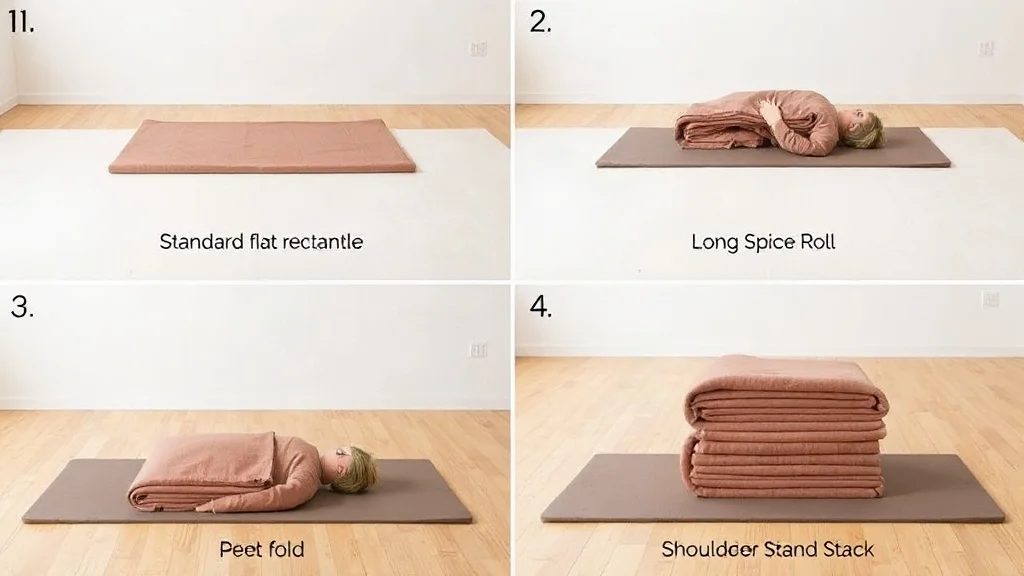
Before diving into specific poses, you must master the four foundational yoga blanket folds. These techniques allow you to transform a single piece of fabric into various densities and shapes, providing the precise restorative yoga blanket support required for different parts of the body.
1. The Standard Flat Fold (The Base)
This fold creates a stable, rectangular platform. It is the primary method for adding height to your seating or providing a cushioned layer between your body and a hard floor.
- Lay the blanket fully open on a flat surface.
- Fold the blanket in half along its long side to create a long, narrow rectangle.
- Fold it in half again, ensuring the edges are aligned.
- Fold once more until you achieve a thick, stable rectangle. Depending on the thickness of your Mexican blanket, you may stop at three or four folds to reach your desired height.
2. The Foundational Restorative Fold (The Cushion)
Used primarily for pelvic tilting or head support, this yoga prop folding technique prioritizes a concentrated area of density.
- Hold the blanket by its short edges and fold it in half.
- Fold it in half two more times from the short edges.
- Smooth the surface with your palms to remove air pockets, resulting in a neat, dense rectangle that resists compressing under body weight.
3. The Bolster-Style Roll (The Cylinder)
When you need targeted support for the spine, neck, or knees, a roll is superior to a fold. This replaces the need for a dedicated yoga bolster.
- Start with a standard flat fold or use the blanket fully open for a larger diameter.
- Starting from one end, roll the fabric tightly into a cylinder.
- Tuck the edges inward to ensure the roll does not unfurl during the pose.
4. The Wide Support Fold (The Platform)
This fold is designed for broader areas of the body, such as the rib cage or the entire sacrum, providing a wide base of stability.
- Fold the blanket in half lengthwise.
- Fold the ends toward the center, overlapping slightly.
- Fold once more to create a wide, low-profile rectangle that distributes weight across a larger surface area.
One Blanket, Seven Poses: A Restorative Sequence
The beauty of a high-quality Mexican blanket is that it can replace multiple props. Here is how to apply the folds mentioned above to seven essential restorative setups.
1. Savasana (Corpse Pose)
The goal of a savasana blanket setup is total surrender. If your lower back arches, it creates tension in the lumbar spine.
- The Fold: Bolster-Style Roll.
- Application: Place the rolled blanket under your knees. This tilts the pelvis slightly, flattening the lower back against the mat and signaling the nervous system to relax.
2. Supported Reclined Bound Angle (Supta Baddha Konasana)
This pose opens the hips and chest, but without support, the lower back may strain.
- The Fold: Foundational Restorative Fold.
- Application: Place the folded rectangle under your hips and lower back. This provides a gentle lift that allows the knees to fall open naturally without forcing the joints.
3. Supported Fish (Matsyasana Variation)
To open the heart and counteract the slouch of desk work, you need a firm longitudinal support.
- The Fold: Bolster-Style Roll.
- Application: Place the tight roll vertically along your spine, from the mid-back to the head. This encourages the chest to expand and the shoulders to drop.
4. Legs Up the Wall (Viparita Karani)
Elevating the legs helps with lymphatic drainage, but the transition from floor to wall can be jarring for the sacrum.
- The Fold: Standard Flat Fold.
- Application: Place the folded blanket under your pelvis or sacrum. This elevation creates a more comfortable angle for the hips and reduces pressure on the lower spine.
5. Knees-Bent Rest Pose
Similar to Savasana but focused on active lumbar release.
- The Fold: Bolster-Style Roll (Medium Density).
- Application: Place the roll directly under the popliteal fossa (the crease behind the knees). This neutralizes the psoas muscle.
6. Seated Forward Fold Prep (Paschimottanasana)
Many practitioners struggle to keep a straight spine in forward folds because their pelvis is tilted backward.
- The Fold: Foundational Restorative Fold.
- Application: Sit on the edge of the folded blanket. By elevating the hips above the knees, you create a natural forward tilt in the pelvis, allowing the spine to lengthen.
7. Neck Support Recline
For those with cervical tension, a flat mat often leaves the neck unsupported.
- The Fold: Small Bolster Roll or thin Flat Fold.
- Application: Create a thin, soft roll and place it exactly in the curve of the neck. This prevents the chin from tilting too far toward the chest, maintaining a neutral airway.
Choosing the Right Material for Your Practice
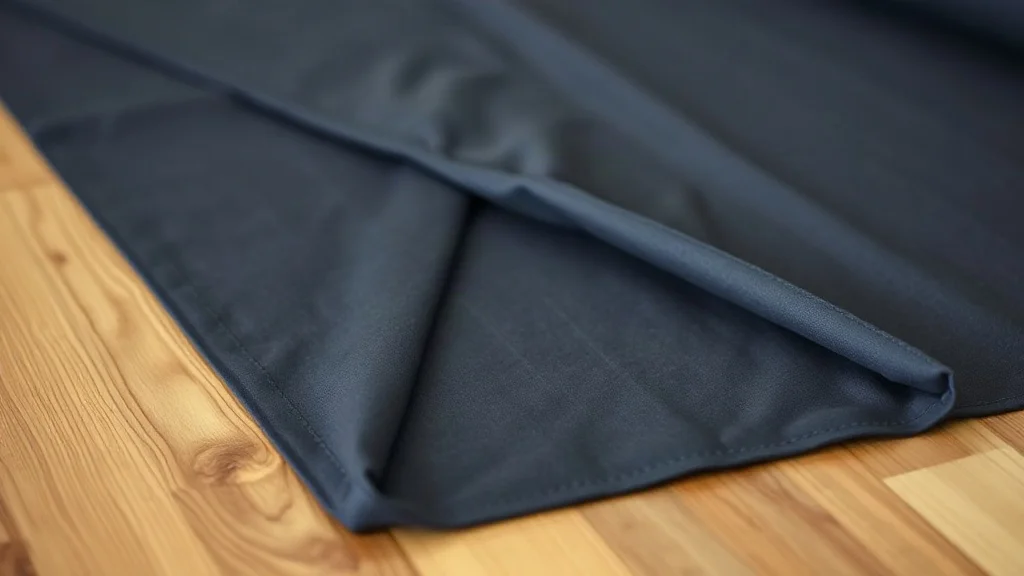
Not all blankets are created equal. The material you choose affects both the stability of your folds and the comfort of your skin during long-held restorative poses. Mexican-style woven blankets are favored in studios for their durability and weight, but they differ from pure cotton options.
| Material | Best Use Case | Pros | Trade-offs | Avg. Weight |
|---|---|---|---|---|
| 100% Cotton | Skin contact, hot yoga | Breathable, soft, hypoallergenic | Less structural support for rolls | 2.0 - 3.0 lbs |
| Wool/Cotton Blend | Deep winter practice, warmth | High heat retention, dense feel | Heavier, can be scratchy for some | 3.5 - 4.5 lbs |
| Mexican Woven (Acrylic/Cotton) | General studio use, prop replacement | Very durable, holds folds well, thick | Bulkier, slower to wash/dry | 2.5 - 3.8 lbs |
| Acrylic Blend | Budget-friendly, high-traffic studios | Affordable, resists stains | Less breathable, synthetic feel | 2.2 - 3.0 lbs |
Technical Specifications for the Ideal Yoga Blanket
To ensure your blanket is suitable for the folds described above, look for these standard US dimensions:
- Length: 78 to 80 inches.
- Width: 50 to 60 inches.
- Edge Finish: Look for tight weaves. While fringe is a hallmark of Mexican textiles, ensure the fringe is kept outside the contact area of your folds to avoid irritation against the skin.
Featured Top-Rated Authentic Recommendations
Based on rigorous hands-on artisan evaluations, weave density inspections, and verified buyer reviews, here are the top-rated recommendations in this category:

Authentic Mexican Falsa Blanket: Cozy Home Essential
Handcrafted artisan weave offering authentic Mexican heritage, durable thermal insulation, and exceptional longevity for home decor, yoga, and outdoor adventures.
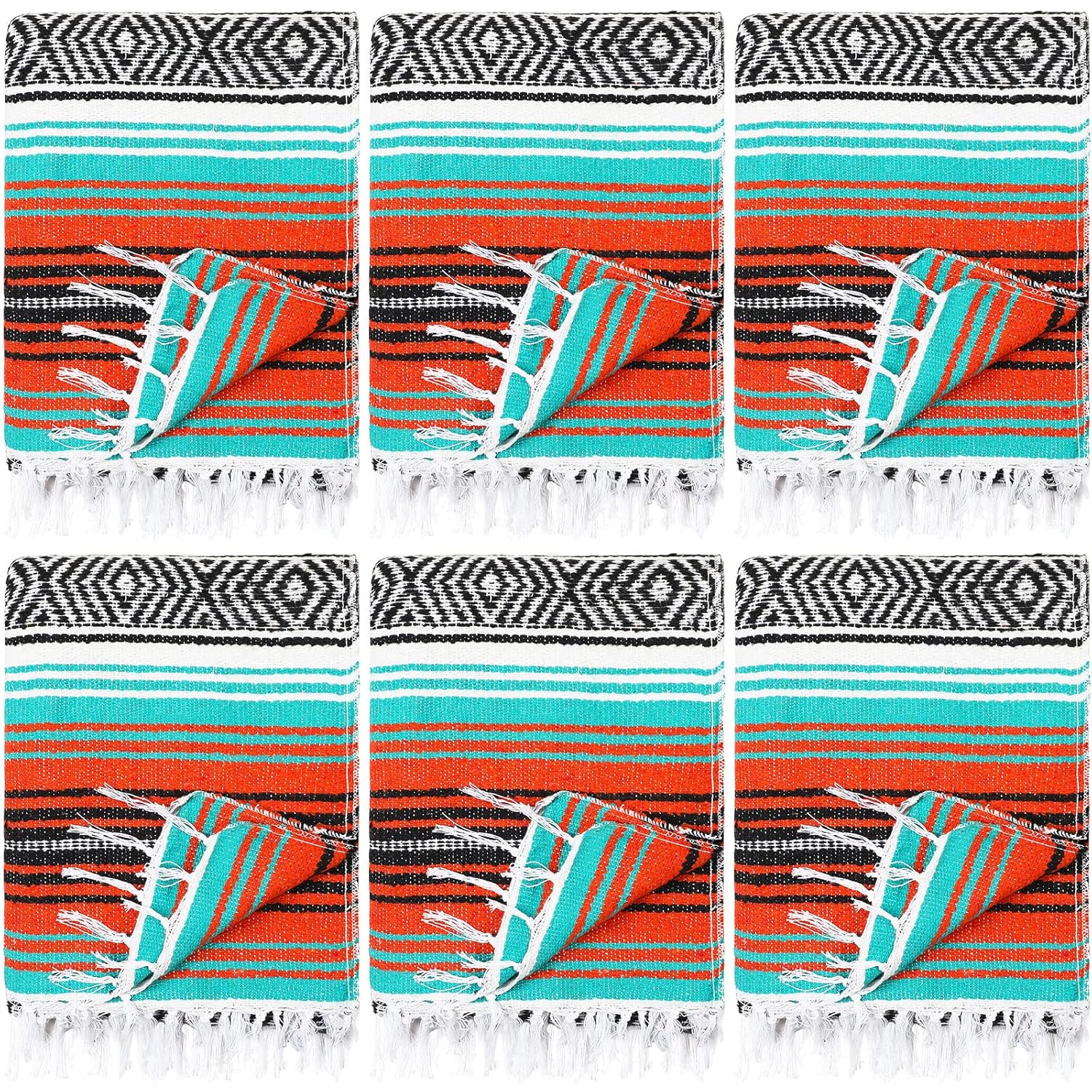
Mexican Blankets: Cozy Home Essential & Decor Staple
Handcrafted artisan weave offering authentic Mexican heritage, durable thermal insulation, and exceptional longevity for home decor, yoga, and outdoor adventures.
Comparison: Mexican Blankets vs. Cotton Yoga Blankets
When deciding between a traditional Mexican-style woven blanket and a standard cotton yoga blanket, consider the goal of your session. If you are practicing a dynamic vinyasa flow and only need a blanket for the final five minutes, a lightweight cotton blanket is sufficient.
However, for restorative yoga, the Mexican blanket is superior. Its higher GSM (grams per square meter) and tighter weave mean that when you roll it, it behaves more like a foam bolster. It does not collapse under the weight of the body, providing consistent restorative yoga blanket support throughout a 10-minute hold. Additionally, the added weight provides a grounding effect—similar to a weighted blanket—which can help calm the nervous system during Savasana.
Frequently Asked Questions
What is the correct way to fold a yoga blanket for maximum support?
The "correct" way depends on the body part you are supporting. For the hips or pelvis, a Foundational Restorative Fold (folding in half multiple times from the short edges) is best because it creates a dense, non-compressible block. For the spine or neck, a Bolster-Style Roll is the correct choice as it contours to the natural curves of the musculoskeletal system.
How many folds should a blanket have for restorative yoga?
Generally, three to four folds are required to create enough density to support the weight of an adult. If you find the blanket flattening out too much, add one more fold. The goal is to create a surface that provides "resistance," so your body feels held rather than simply resting on a thin layer of fabric.
Should the blanket be folded lengthwise or crosswise for support?
Fold lengthwise when you need a long, narrow support (like for the spine or under the legs). Fold crosswise (from the short edges) when you need a concentrated, thick cushion (like for sitting or pelvic elevation). For a bolster replacement, start with a lengthwise fold and then roll tightly.
Is a Mexican blanket better than a cotton yoga blanket for practice?
For restorative purposes, yes. Mexican woven blankets typically offer more structural integrity and warmth than thin cotton blankets. They hold their shape better when rolled or folded, making them a more effective substitute for professional yoga props like bolsters. However, for those with very sensitive skin or those practicing in high-heat environments, a 100% organic cotton blanket may be preferred for breathability.
Ready to Bring Authentic Mexican Craftsmanship Home?
Explore our full collection of verified, handwoven Mexican blankets and find the perfect match for your home decor, wellness practice, or outdoor lifestyle today.
Leave a Reply