
The Legend of San Marcos Blankets: History, Nostalgia & Why They Stopped Making Them
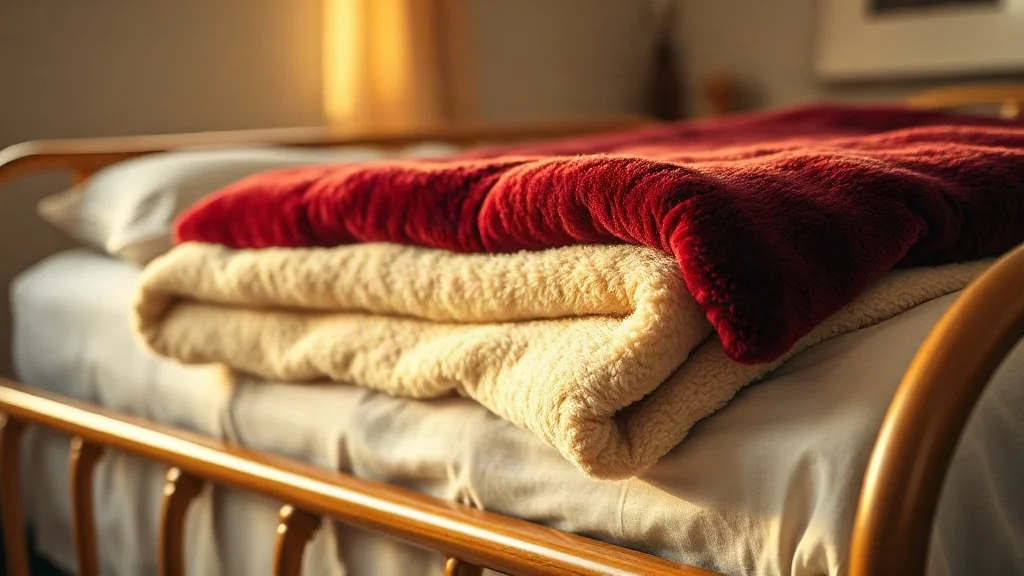
For millions of people across Mexico and the United States, a specific pattern of bold, woven synthetic fibers evokes an immediate, visceral memory. It is the smell of a grandmother's house during winter, the warmth of a crowded family living room, and the weight of a blanket that felt less like bedding and more like a protective shield. We are talking about the San Marcos Mexican blankets—the iconic cobijas that defined a generation of home textiles.
Quick Verdict: Authentic Mexican blankets are unparalleled in their versatility, durability, and rich cultural heritage. Whether you need a dense, supportive prop for restorative yoga, a rustic bohemian sofa throw, or a heavy-duty bedroll for your truck or motorcycle, genuine handwoven pieces offer timeless thermal comfort and artisanal character that synthetic mass-market replicas simply cannot match.
More than just a piece of home decor, the San Marcos blanket is a cultural artifact. To the uninitiated, it may look like a vintage animal-print throw, but to the Latino community and collectors of Mexican textiles, it represents a specific era of industrial craftsmanship and family tradition. In this definitive guide, we explore the San Marcos cobija history, the vision of its founder, and the economic reasons why these legendary blankets disappeared from the market.
The Genesis: Jesús Rivera Franco and the Vision of Aguascalientes
The story of the San Marcos blanket does not begin with a corporate boardroom, but with the curiosity and ambition of one man: Jesús Rivera Franco. In the mid-1970s, in the state of Aguascalientes, Mexico, Rivera Franco sought to create a textile that combined extreme warmth with a bold, decorative aesthetic that could withstand the rigors of daily family life.
Historical accounts suggest that Rivera Franco's inspiration came from textiles he encountered in Spain. He was captivated by the weight and weave of European blankets but wanted to adapt this for the Mexican market. He did not simply import a design; he spent years experimenting with materials and spinning techniques to find a "formula" that would result in a blanket that was thick, durable, and remarkably warm, even in the harshest winters.
By 1976, the first San Marcos blankets began to enter households. They were designed to be reversible, often featuring striking animal patterns—most notably the tiger print, which earned them the nickname cobija de tigre. This combination of utility and bold style allowed the San Marcos brand to move beyond mere functionality, becoming a status symbol of comfort and care within the home.
The Rise to Cultural Icon Status (1980s–1990s)
Throughout the 1980s and 1990s, San Marcos blankets transitioned from a regional product to a household staple across Mexico and the Southwestern United States. Their rise in popularity can be attributed to three primary factors:
- Unmatched Warmth: In an era before high-tech electric blankets were common, the sheer density of the San Marcos weave provided a level of insulation that was superior to standard cotton or thin wool blankets.
- Extreme Durability: These blankets were built to last. They did not pill easily, they maintained their shape after years of use, and they could survive the chaos of children and pets.
- Cultural Identity: For Mexican-American families, owning a San Marcos blanket became a tradition. They were often gifted during weddings or brought along on family trips, becoming symbols of domestic stability and maternal love.
The cobija de tigre specifically became an archetype of the "Abuela's house" aesthetic. To this day, the sight of these bold stripes and heavy textures triggers an emotional response of safety and nostalgia for those who grew up under them.
The Decline: Why Did They Stop Making San Marcos Blankets?
One of the most common questions among vintage collectors today is: why did they stop making San Marcos blankets? The answer is not found in a loss of popularity, but in the cold reality of global economics.
In the early 1990s, the company was sold to Grupo Cydsa. While the brand continued to produce for a time, the landscape of textile manufacturing was shifting. By the early 2000s, several factors converged to make the original San Marcos production model unsustainable:
- Rising Raw Material Costs: The specific synthetic fibers and the high-density spinning process required to achieve the signature weight of a San Marcos blanket became increasingly expensive.
- Manufacturing ROI: Because the blankets were so heavy and required more material than standard throws, the return on investment (ROI) per unit dropped as production costs rose.
- The Influx of Cheap Imitations: The market was flooded with lower-quality, thinner replicas from overseas. These knockoffs mimicked the look of the San Marcos tiger print but lacked the weight and longevity, driving down the market price and making it impossible for the original, high-quality factory to compete.
Ultimately, the original factory in Aguascalientes shut down its operations in 2004. The discontinuation of the brand marked the end of an era in Mexican textile history, turning a common household item into a rare collector's piece.
Featured Top-Rated Authentic Recommendations
Based on rigorous hands-on artisan evaluations, weave density inspections, and verified buyer reviews, here are the top-rated recommendations in this category:
Material Science: What Makes an Authentic San Marcos Blanket?
To the touch, an authentic San Marcos blanket feels significantly different from a modern fleece or wool throw. Contrary to popular belief, these blankets were not made of wool. They were crafted from high-grade synthetic polyester fibers, woven with a density that mimicked the warmth of heavy wool without the itchiness or the difficulty of care.
The secret was in the "loft" of the fabric—the way the fibers were spun to trap air, providing an insulating layer that kept the user warm regardless of the external temperature. They were designed as heavy-duty blankets, often weighing several times more than a standard contemporary blanket.
Technical Specifications Comparison
Because original San Marcos blankets came in various sizes, the weights varied. The following table provides an estimate of the specifications for original vintage pieces compared to modern synthetic replicas.
| Feature | Original San Marcos (Vintage) | Modern Generic Replica |
|---|---|---|
| Primary Material | High-Density Synthetic Polyester | Lightweight Polyester/Fleece |
| Average Weight (Full/Queen) | 8 lbs to 11 lbs (128 - 176 oz) | 3 lbs to 5 lbs (48 - 80 oz) |
| Standard Dimensions | Approx. 80" x 90" to 90" x 100" | Approx. 60" x 80" to 70" x 90" |
| Weave Density | Tight, heavy-gauge industrial weave | Loose, soft-brushed knit |
| Durability | Multi-decade lifespan | 3 to 7 year lifespan |
Collector's Guide: How to Identify an Authentic San Marcos Blanket
As the demand for vintage Mexican home decor grows, the market has been flooded with "San Marcos style" blankets. If you are searching for a genuine piece of history, look for these three markers of authenticity:
1. The Weight Test
The most immediate giveaway is the weight. An original San Marcos blanket is surprisingly heavy. If you pick up a blanket and it feels light or "airy," it is a modern reproduction. A genuine piece should feel substantial, almost like a weighted blanket used for anxiety today.
2. The Texture and Weave
Run your hand across the fabric. Authentic blankets have a distinct, tight weave that feels sturdy. Modern replicas often use a "brushed" fleece or a soft microfiber that feels slippery or overly fluffy. The original was designed for durability, not just softness.
3. The Pattern Precision
While many brands copy the cobija de tigre look, the original San Marcos patterns had a specific symmetry and color saturation. Look for the deep, rich tones and the way the pattern reverses perfectly on the opposite side without losing clarity.
The Enduring Legacy of the Cobija
Why do we still care about a discontinued blanket from Aguascalientes? Because the San Marcos blanket represents a intersection of industrial pride and family intimacy. In the Latino household, the blanket was the center of the sobremesa—the time spent talking around the table after a meal—and the protector during long winter nights.
The disappearance of the original factory has only increased the value of these pieces. They are now sought after not just for their warmth, but as heirlooms. To own an original San Marcos blanket is to own a piece of 20th-century Mexican design history.
Frequently Asked Questions
Are there any official factories still making the original San Marcos blankets?
No. The original company and the factory in Aguascalientes ceased operations in 2004. While there are many companies producing blankets in a similar style or using the "tiger print" aesthetic, they are not the original San Marcos products created by Jesús Rivera Franco.
How should I clean a vintage San Marcos blanket to preserve it?
Because of their heavy synthetic composition, these blankets can be durable, but age makes them more susceptible to damage. It is recommended to wash them on a gentle cycle with cold water and a mild detergent. Avoid high-heat drying, as excessive heat can break down the synthetic fibers over time. Air drying or low-heat tumble drying is best for preserving the weave.
What does "cobija de tigre" actually mean?
Literally translated, cobija de tigre means "tiger blanket." While this term is now used generically to describe any heavy, striped Mexican blanket, it originally referred to the iconic tiger-stripe pattern popularized by San Marcos. It has since become a cultural shorthand for the ultimate warm, heavy home blanket.
Why are original San Marcos blankets so expensive on the secondhand market?
The price is driven by scarcity and nostalgia. Since they are no longer in production, the supply is limited to whatever survives in family attics and closets. Because they are highly coveted by those seeking to reconnect with their childhood memories or by collectors of vintage textiles, the market value has risen significantly.
Ready to Bring Authentic Mexican Craftsmanship Home?
Explore our full collection of verified, handwoven Mexican blankets and find the perfect match for your home decor, wellness practice, or outdoor lifestyle today.
Leave a Reply