
The Iconic Mexican Tiger Blanket: Cultural Phenomenon, Warmth & Buyer's Guide
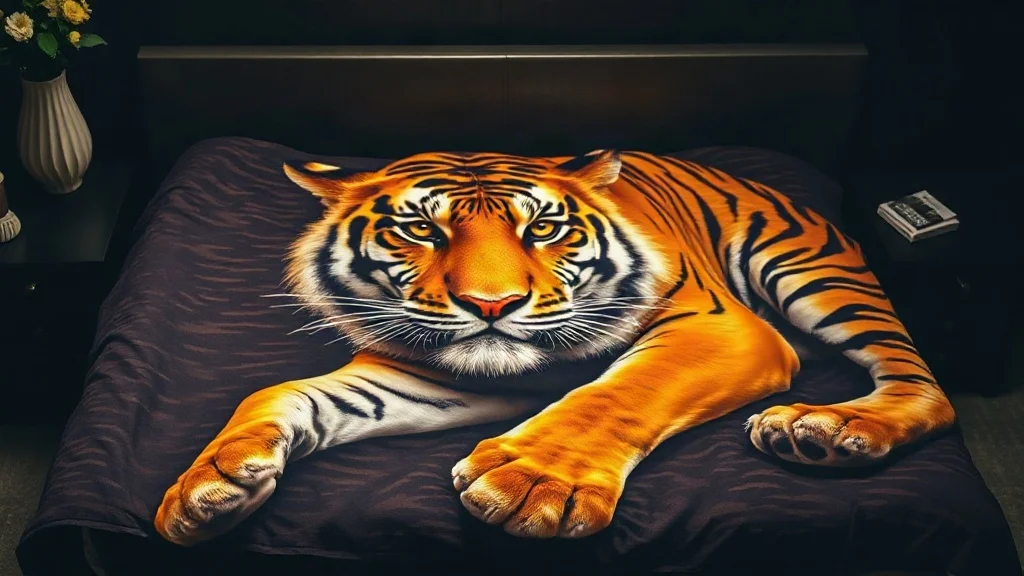
For many growing up in Mexican or Mexican-American households, there is a specific, visceral memory associated with winter: the weight, the scent, and the unmistakable bold print of the Mexican tiger blanket. More than just a piece of bedding, these blankets—known traditionally as cobijas or cobertores—have transcended their functional purpose to become a cultural touchstone, a nostalgic symbol of family warmth, and, in recent years, a viral sensation across social media.
Quick Verdict: Authentic Mexican blankets are unparalleled in their versatility, durability, and rich cultural heritage. Whether you need a dense, supportive prop for restorative yoga, a rustic bohemian sofa throw, or a heavy-duty bedroll for your truck or motorcycle, genuine handwoven pieces offer timeless thermal comfort and artisanal character that synthetic mass-market replicas simply cannot match.
Whether you are searching for mexican blankets tiger designs to bring a sense of heritage into your modern home, or you are looking for the heaviest plush option to survive a brutal winter, understanding the history and specifications of these textiles is key. This definitive guide explores the evolution of the tiger blanket, from the factories of San Marcos to the depths of internet meme culture, while providing a technical buyer's guide to help you choose the perfect piece.
The History of the San Marcos Style Cobija
To understand the ubiquity of mexican blankets with tiger motifs, one must look back to the 1970s and the influence of the San Marcos textile company. Based in Aguascalientes, Mexico, San Marcos revolutionized the home textile market by producing thick, synthetic plush blankets that featured vivid, oversized animal prints. While the tiger became the flagship design, the line also included lions, eagles, wolves, and peacocks.
These blankets were designed for durability and extreme warmth. In an era before central heating was universal across all Mexican dwellings, a heavy cobertor was a necessity. The tiger design, in particular, resonated because of its boldness and perceived luxury, mimicking the look of exotic furs while remaining affordable and accessible to the working class.
Over the decades, these blankets migrated across the border into the United States, becoming staples in Latino communities. They were not just used on beds; they were draped over living room sofas, wrapped around children during road trips, and passed down through generations. While the original San Marcos factory eventually closed, the “San Marcos style” remains the gold standard for what a traditional Mexican plush blanket should be: heavy, soft, and visually striking.
More Than Fabric: The Mexican Tiger Blanket Meme
In the age of TikTok and Instagram, the tiger blanket has experienced a digital renaissance. The mexican tiger blanket meme is a testament to the shared experience of millions. These memes often highlight the “universal” nature of the Mexican household, where the tiger blanket is portrayed as the ultimate shield against the cold—a blanket so heavy it feels like a weighted blanket, and so iconic that every abuela seems to own one.
This cultural shorthand connects the blanket to themes of comfort, safety, and familial love. When users post about their “tiger blanket,” they are not just talking about home decor; they are signaling a shared cultural identity. This surge in nostalgia has driven a renewed demand for thick plush animal cobijas among Gen Z and Millennial buyers who want to reclaim a piece of their childhood home.
Evaluating Warmth: Materials and Feel
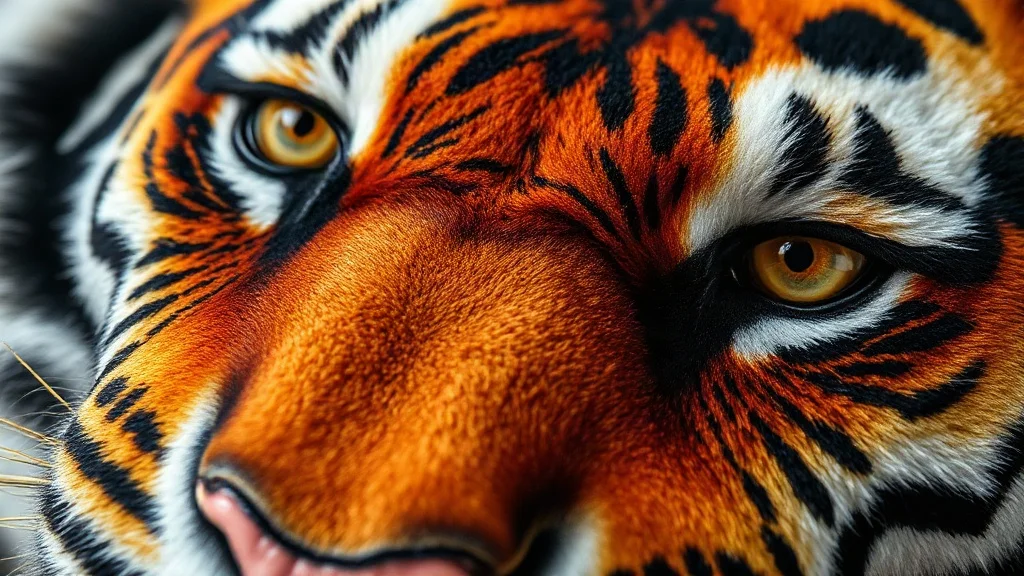
When shopping for heavy mexican blankets tiger styles, the material is the most critical factor in determining both warmth and authenticity. Modern versions vary significantly in their construction.
Polyester Plush and Microfiber
Most contemporary tiger blankets are made from high-density polyester. This material is favored for its ability to hold vibrant dyes and its inherent resistance to wrinkles. Microfiber versions offer a silkier, smoother hand-feel, which is excellent for those with sensitive skin, though they may lack the “heft” of traditional heritage blankets.
The Classic Heavy Synthetic Cobertor
For those seeking the authentic experience, the heavy synthetic plush is the way to go. These blankets utilize a deeper pile and a denser weave, resulting in a garment that traps heat more effectively. This is the material that earns the “heavy” descriptor in search queries, providing a comforting pressure that mimics the vintage San Marcos originals.
Mink-Style Plush
Often marketed as “mink blankets,” these are ultra-soft and visually glossy. While not historically the primary material of the 1970s, they have become a popular modern alternative because they provide the same aesthetic appeal as the original tiger print but with a more velvety texture.

Featured Top-Rated Authentic Recommendations
Based on rigorous hands-on artisan evaluations, weave density inspections, and verified buyer reviews, here are the top-rated recommendations in this category:
Technical Specifications and Sizing Guide
Choosing the right size depends on whether the blanket is intended for a bed, a decorative throw for a couch, or a gift. Below are the standard specifications for high-quality Mexican tiger blankets available in the US market.
| Size Category | Dimensions (Inches) | Approx. Weight (lbs) | Best Use Case |
|---|---|---|---|
| Throw/Small | 50" x 60" | 3 - 5 lbs | Couch, lap blanket, dorm room |
| Twin/Full | 66" x 90" | 7 - 10 lbs | Single bed, oversized wrap |
| Queen | 90" x 90" | 12 - 15 lbs | Standard master bed, family sharing |
| King/Cal King | 108" x 90" | 18 - 22 lbs | Large beds, maximum winter warmth |
Buyer's Guide: How to Choose the Right Blanket
To ensure you are investing in a piece that meets your needs, consider the following three criteria: weight, authenticity, and utility.
1. Determine Your Warmth Requirement
If you live in a temperate climate, a microfiber or lightweight polyester plush is sufficient. However, if you are looking for heavy mexican blankets tiger for a cold winter in the Midwest or Northeast, prioritize the “heavy synthetic” or “mink-style” options. Look for descriptions that mention “high GSM” (grams per square meter) or “thick pile.”
2. Authenticity vs. Modernity
While a true vintage San Marcos blanket is a collector's item, modern reproductions are often more hygienic and durable. If you want the “heritage” look, look for blankets with deep, saturated oranges and blacks and a plushness that feels substantial in the hand. Avoid thin, fleece-like materials that feel like a standard cheap throw.
3. Sizing for Versatility
For the most versatility, the Queen size is recommended. It is large enough to serve as a primary bed cover but can be folded over a sofa to create a bold statement piece of home decor. For gifting, the Throw size is the most popular as it fits any space.
Styling Your Tiger Blanket in a Modern Home
Because the tiger print is so bold, it can easily overwhelm a room if not styled correctly. Here are a few ways to integrate a thick plush animal cobija into contemporary interior design:
- The Maximalist Approach: Pair the tiger blanket with other vibrant colors and textures. It works well in “boho-chic” settings with potted plants, rattan furniture, and eclectic art.
- The Balanced Neutral: Use the blanket as the sole pop of color in a room with white, grey, or beige walls. Draping it over a neutral-colored leather sofa creates a sophisticated yet playful contrast.
- Bed Layering: Use a neutral duvet as your base and fold the tiger blanket across the foot of the bed. This provides warmth and a nod to cultural heritage without dominating the entire bedroom aesthetic.
Care and Maintenance
To preserve the softness and the vivid colors of your blanket, follow these maintenance tips:
- Wash in Cold Water: High temperatures can break down synthetic fibers and cause the plush to “pill” or lose its softness.
- Use Mild Detergents: Avoid bleach or harsh chemicals that can fade the tiger print.
- Air Dry or Low Heat: The best way to maintain the loft of the pile is to air dry. If using a dryer, use the lowest heat setting and tumble dry with dryer balls to keep the fibers fluffy.
- Avoid Fabric Softeners: Overusing liquid softeners can sometimes coat the fibers and reduce the breathability of the plush.
Frequently Asked Questions
Is the Mexican tiger blanket the same as a San Marcos blanket?
Essentially, yes. “San Marcos” refers to the original manufacturer that popularized the style in the 1970s. While the original company is no longer producing them in the same way, the term “San Marcos style” is used to describe any heavy, plush animal-print blanket that follows that specific aesthetic. When people search for mexican blankets tiger, they are usually looking for this specific San Marcos-inspired look.
Are these blankets machine washable?
Yes, most modern tiger blankets made from polyester or microfiber are machine washable. However, because of their weight, it is recommended to use a larger capacity machine to avoid putting too much stress on the drum. Always use a gentle cycle and cold water to ensure the plush remains soft for years to come.
Why is the tiger design so culturally significant?
The significance is rooted in the blend of aspiration and comfort. In the mid-20th century, bold animal prints represented a form of luxury. By making these designs accessible through synthetic plush, companies like San Marcos provided a way for families to have a “luxurious” item that was also incredibly functional. Over time, this shifted from a fashion statement to a nostalgic symbol of the home, the family, and the warmth provided by elders.
Which size is best for a gift?
If you are unsure of the recipient's bed size, the Throw (50" x 60") is the safest and most popular gift option. It is perfect for use on a couch or as an extra layer in a dorm room. For a more “substantial” gift that feels like a piece of heritage furniture, the Queen size is the preferred choice.
Ready to Bring Authentic Mexican Craftsmanship Home?
Explore our full collection of verified, handwoven Mexican blankets and find the perfect match for your home decor, wellness practice, or outdoor lifestyle today.
Leave a Reply