
How to Wash a Mexican Blanket Without Shrinking or Fraying: Complete Care Guide
Whether it is a vibrant serape-style throw draped over your sofa, a heavy-duty recycled cotton blanket used for camping, or a specialized woven blanket used for yoga practice, these textiles bring a unique blend of cultural heritage and practical utility into the home. However, because "Mexican blanket" is a broad retail term covering various materials—from traditional wool and cotton to modern acrylic blends—knowing exactly how to maintain them is essential to preventing premature wear.
Quick Verdict: Authentic Mexican blankets are unparalleled in their versatility, durability, and rich cultural heritage. Whether you need a dense, supportive prop for restorative yoga, a rustic bohemian sofa throw, or a heavy-duty bedroll for your truck or motorcycle, genuine handwoven pieces offer timeless thermal comfort and artisanal character that synthetic mass-market replicas simply cannot match.
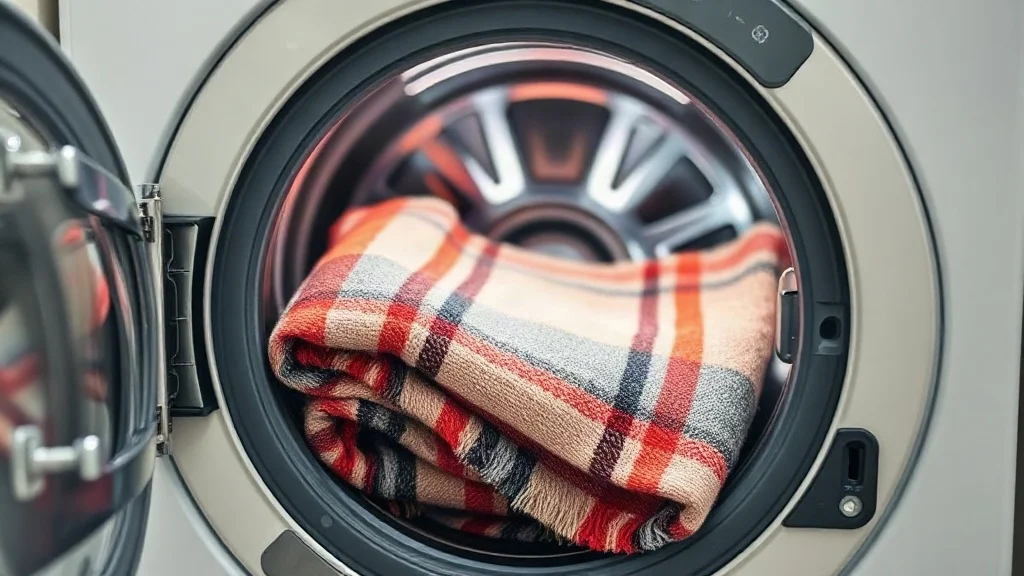
The short answer for most modern woven Mexican blankets is: Yes, they can be washed in a machine, provided you use cold water, a gentle cycle, and avoid high heat during drying. But for those who want to preserve the saturation of the dyes and the integrity of the weave for years to come, a more nuanced approach is required.
Quick Care Summary
| Question | Recommendation |
|---|---|
| Can it be machine washed? | Yes, usually on cold/gentle. |
| Temperature | Always cold water. |
| Detergent | Mild, pH-neutral, no bleach. |
| Drying | Air dry or tumble dry on the lowest heat setting (no heat is best). |
| Key Warning | Avoid high heat to prevent shrinkage and fraying. |
Understanding Your Blanket: Material Matters
Before you begin the cleaning process, you must identify the composition of your textile. In the US market, blankets inspired by Mexican weaving traditions fall into several distinct categories, each requiring a slightly different care protocol.
Woven Cotton and Recycled Cotton
Many popular "Mexican-style" blankets are made from recycled cotton fibers. These are prized for their breathability and durability. However, recycled cotton is more prone to shrinkage than synthetic fibers. Because the fibers have already been processed once, excessive heat or agitation can cause the weave to tighten or the dimensions to shrink significantly.
Acrylic and Polyester Blends
These are common in decorative throws and lower-cost retail options. While they are highly resistant to shrinking and fading, they are sensitive to heat. High temperatures in a dryer can "melt" or glaze synthetic fibers, leading to a loss of softness and an increase in pilling.
Traditional Wool and Wool-Blends
True traditional serapes often contain wool. Wool is a protein fiber that can "felt" if agitated in warm water. Once a wool blanket felts, it becomes stiff and shrinks permanently. These should almost always be hand-washed or professionally dry-cleaned.
The Master Guide: How to Wash Mexican Blankets
To ensure your blanket remains vibrant and structural, follow this professional laundering workflow.
Step 1: The Pre-Wash Inspection
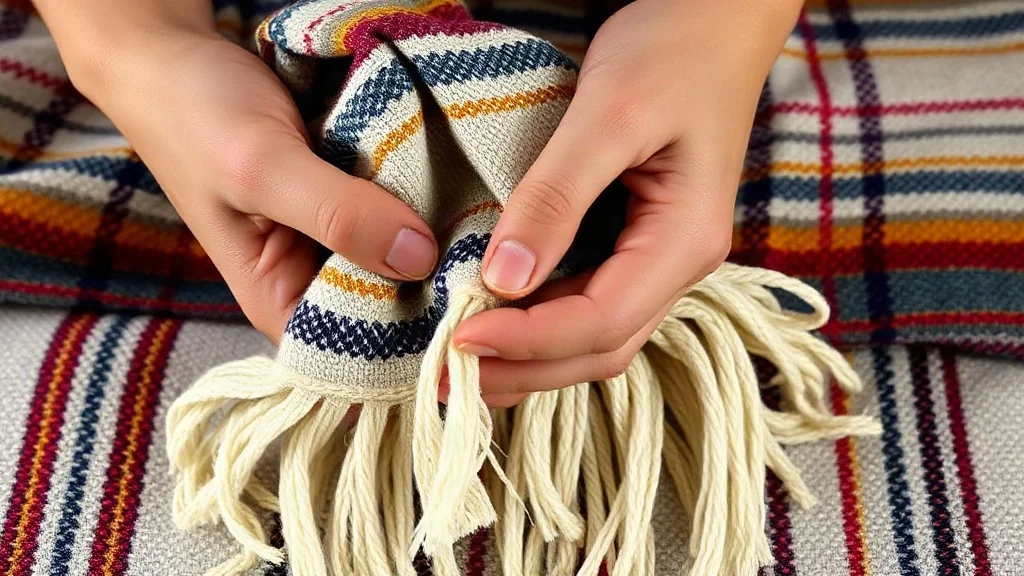
Before the blanket hits the water, shake it out vigorously outdoors to remove loose dust, pet hair, or debris. Inspect the edges for loose threads. If you find a snag, do not pull it; instead, carefully trim it with fabric scissors to prevent the thread from unraveling further during the wash cycle.
Step 2: Spot Cleaning
If your blanket has a specific stain (such as food or mud), treat it before the full wash. Applying a concentrated detergent to the entire blanket can sometimes cause uneven fading. Use a damp cloth and a drop of mild detergent to gently dab the stain from the outside in. Avoid scrubbing aggressively, as this can distort the woven pattern.
Step 3: Machine Washing (The Safe Method)
When washing Mexican blankets in a washing machine, the goal is to minimize mechanical stress and thermal shock. Follow these settings:
- Water Temperature: Cold. Warm or hot water is the primary cause of dye bleed and shrinkage.
- Cycle: Delicate or Gentle. This reduces the spin speed and agitation, which protects the fringes and tassels from tangling or fraying.
- Load Balance: Wash the blanket alone or with similar colors. Woven blankets can be heavy when wet; overloading the machine can lead to uneven cleaning and excessive stretching of the fabric.
Step 4: Hand Washing (The Preservation Method)
For high-value wool blends or blankets with intricate fringe work, hand washing is the gold standard for care for Mexican blankets.
- Fill a clean bathtub or large basin with cold water.
- Dissolve a small amount of mild detergent completely before adding the blanket.
- Gently press the blanket into the water. Do not scrub or wring.
- Let it soak for 15 to 30 minutes.
- Rinse with cold water until the soap is gone.
- Press the blanket against the side of the tub to remove excess water. Never wring or twist a woven blanket, as this permanently distorts the weave.
Featured Top-Rated Authentic Recommendations
Based on rigorous hands-on artisan evaluations, weave density inspections, and verified buyer reviews, here are the top-rated recommendations in this category:

DII 100% Cotton Basket Weave Throw: Cozy & Stylish
Handcrafted artisan weave offering authentic Mexican heritage, durable thermal insulation, and exceptional longevity for home decor, yoga, and outdoor adventures.

Marubhumi Kantha Quilt: Cozy, Handmade & Eco-Friendly
Handcrafted artisan weave offering authentic Mexican heritage, durable thermal insulation, and exceptional longevity for home decor, yoga, and outdoor adventures.
Drying Without Damage
The drying phase is where most damage occurs. The combination of high heat and tumbling action is the enemy of the woven textile.
The Ideal Method: Air Drying
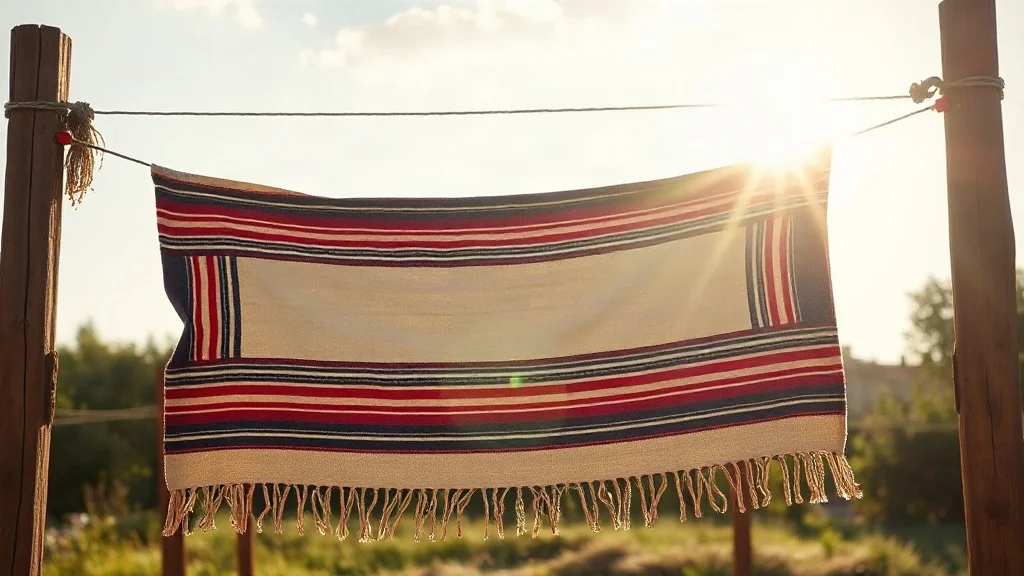
The safest way to dry a Mexican blanket is to lay it flat on a clean towel or a drying rack. If you hang it over a rail, ensure it is balanced so the weight of the water doesn't stretch the fabric. Avoid direct sunlight for extended periods, as UV rays can fade the intense pigments common in Mexican textiles.
The Convenient Method: Machine Drying
If you must use a dryer, use the Air Fluff or Lowest Heat setting. Remove the blanket while it is still slightly damp and lay it flat to finish drying. This prevents the fibers from becoming brittle and reduces the risk of shrinking.
Material Comparison and Care Specifications
Use the following table to determine the best care path based on the typical specifications of blankets found in the US market.
| Material Type | Typical Weight | Common Dimensions | Recommended Wash | Drying Method | Shrinkage Risk |
|---|---|---|---|---|---|
| Recycled Cotton | 1.5 - 2.5 lbs | 50" x 60" / 60" x 80" | Machine Cold/Gentle | Flat Air Dry | Moderate |
| Acrylic Blend | 1.0 - 2.0 lbs | 50" x 60" | Machine Cold/Gentle | Low Heat / Air Fluff | Low |
| Traditional Wool | 3.0 - 5.0 lbs | Various | Hand Wash Cold | Flat Air Dry Only | High |
| Yoga/Medium Weave | 1.2 - 1.8 lbs | 60" x 80" | Machine Cold/Gentle | Air Dry | Low-Moderate |
Pro Tips for Long-Term Maintenance
Setting the Color on the First Wash
Many authentic woven blankets use vibrant dyes that may bleed during the first few washes. To help "set" the color, some experts recommend soaking the blanket in a mixture of cold water and a small amount of white distilled vinegar. The acetic acid in the vinegar helps lock the dye into the fibers. Rinse thoroughly with cold water afterward.
Preventing Fraying and Pilling
Fraying usually occurs at the tassels or edges due to friction. To minimize this:
- Use a Mesh Laundry Bag: For smaller throws, placing them in a large mesh bag prevents the fringe from getting caught in the agitator or other clothes.
- Avoid Fabric Softeners: While tempting, fabric softeners can leave a waxy residue on woven fibers that attracts dirt and can actually break down the strength of the cotton over time.
- Brush Gently: If pilling occurs on acrylic blends, use a fabric shaver or a gentle pill comb to remove the bobbles without pulling the main threads.
Frequently Asked Questions
Can I put a Mexican blanket in the dryer?
You can, but it is not recommended. High heat is the primary cause of shrinkage in cotton blankets and fiber degradation in acrylic ones. If you must use a dryer, use the lowest heat setting possible or "Air Fluff." The safest method is always to air dry flat to maintain the original dimensions and texture of the weave.
How do I clean a Mexican blanket without a washing machine?
The best method is hand washing in a bathtub with cold water and a mild, pH-neutral detergent. Avoid scrubbing the fabric against itself, as this can cause pilling. Instead, gently press the soapy water through the fibers. After rinsing, roll the blanket in a large towel to absorb excess moisture before laying it flat to dry.
Why is my Mexican blanket shedding or losing color?
Slight shedding is common in recycled cotton textiles as small fiber fragments loosen. Color loss usually occurs due to one of three things: the use of hot water, exposure to bleach/harsh detergents, or prolonged exposure to direct sunlight. To prevent this, always wash in cold water and store the blanket away from windows when not in use.
How often should I wash my woven Mexican blanket?
Because these blankets are often used as decorative throws or for yoga, they don't require frequent deep cleaning. For daily use, shaking the blanket out and vacuuming it with a brush attachment is sufficient. We recommend a full wash every 3 to 6 months, or immediately after a significant spill, to preserve the lifespan of the textile.
Ready to Bring Authentic Mexican Craftsmanship Home?
Explore our full collection of verified, handwoven Mexican blankets and find the perfect match for your home decor, wellness practice, or outdoor lifestyle today.
Leave a Reply