
Can You Put a Mexican Blanket in the Dryer? The Truth About Machine Drying
Whether you use your Mexican blanket as a cozy throw for the living room, a durable outdoor picnic layer, or a dedicated yoga prop, you will eventually face the inevitable question of maintenance: can Mexican blankets go in the dryer?
Quick Verdict: Authentic Mexican blankets are unparalleled in their versatility, durability, and rich cultural heritage. Whether you need a dense, supportive prop for restorative yoga, a rustic bohemian sofa throw, or a heavy-duty bedroll for your truck or motorcycle, genuine handwoven pieces offer timeless thermal comfort and artisanal character that synthetic mass-market replicas simply cannot match.
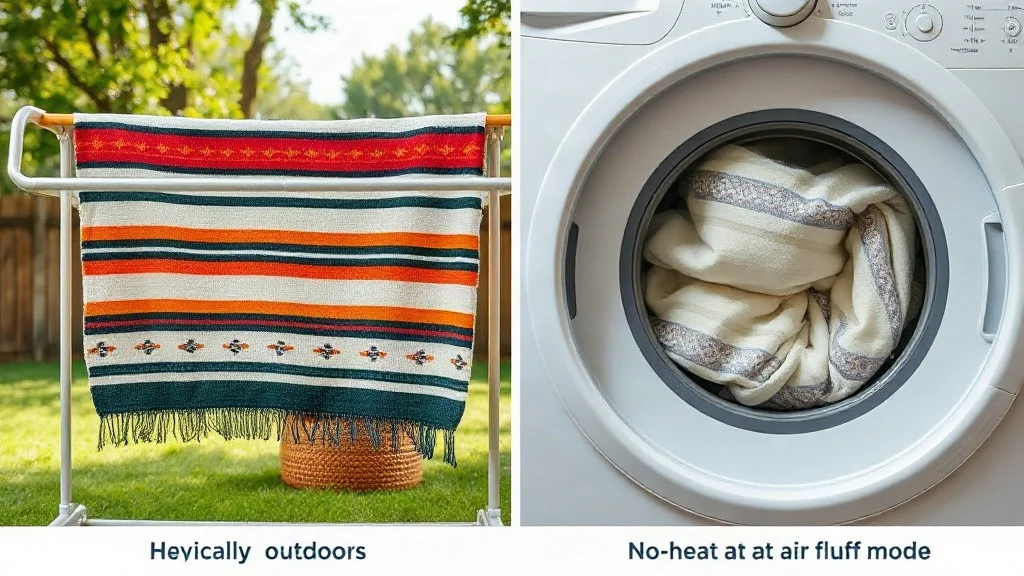
The short answer is: Proceed with extreme caution. While some modern synthetic blends can survive a tumble cycle, the safest and most professional recommendation to preserve the integrity of the weave and the vibrancy of the colors is to avoid the machine dryer entirely. Air drying is the gold standard for textile preservation.
In this definitive guide, we will explore the science of why heat is the enemy of these textiles, how to identify your blanket's material, and the exact step-by-step process to ensure your blanket lasts for decades rather than months.
The Risks of Machine Drying Mexican Blankets
To understand why experts advise against machine drying, one must understand the construction of these textiles. Many traditional and semi-traditional Mexican blankets—including the famous San Marcos styles—are woven using techniques that prioritize breathability and texture. When you subject these weaves to the high, uncontrolled heat of a standard American dryer, several things happen simultaneously.
1. Fiber Shrinkage and Warping
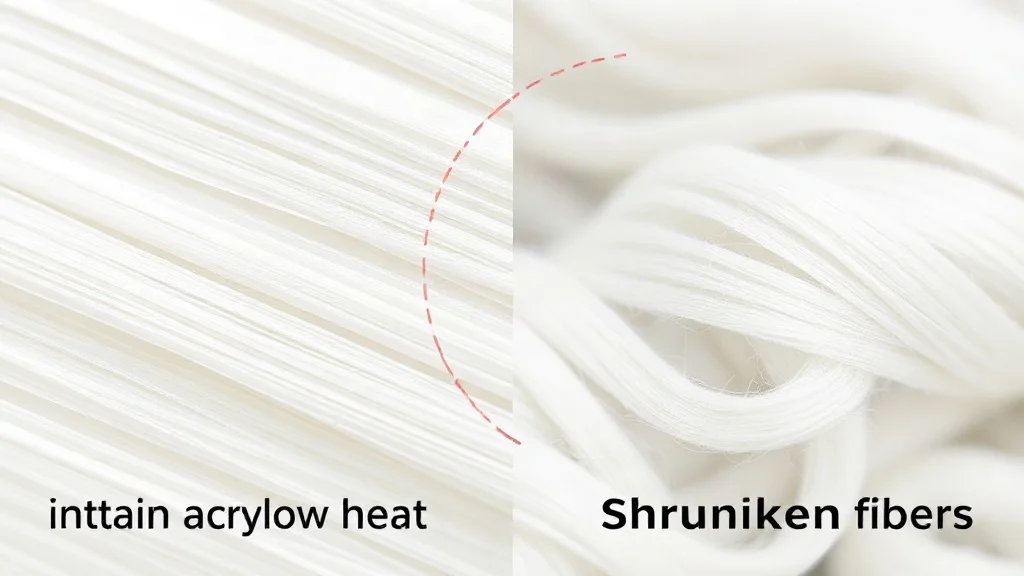
Most Mexican blankets are made from cotton, acrylic, or a blend of the two. Cotton is highly prone to shrinkage when exposed to heat. Because the weave of a Mexican blanket is often looser than a standard fleece throw, uneven shrinkage can occur. This leads to "warping," where the blanket loses its rectangular shape and becomes skewed or distorted.
2. Color Fading and Bleeding
The vivid, saturated hues—deep reds, bright oranges, and rich greens—that define the serape aesthetic are achieved through specific dyeing processes. Excessive heat can break down these dyes or cause "crocking," where the color transfers or fades prematurely, leaving your blanket looking dull and aged.
3. Damage to the Fringe and Tassels
The decorative edges of these blankets are often the first casualties of the dryer. The tumbling action, combined with heat, can cause the fringe to tangle, knot, or fray. Once the tassel fibers are "singed" or overly compacted by heat, they cannot be restored to their original soft, flowing state.
Material Guide: What Are You Actually Drying?
Not all Mexican blankets are created equal. The answer to "can you machine dry Mexican blankets" depends entirely on the fiber content. Before you touch a dial on your appliance, identify your material.
| Material Type | Dryer Safety | Primary Risk | Recommended Method |
|---|---|---|---|
| 100% Cotton | Low / Air Fluff Only | Significant shrinkage | Flat Air Dry |
| Acrylic / Poly-Blends | Low Heat | Fiber melting/warping | Hanging or Low Tumble |
| Wool-Rich Blends | Never | Severe felting/shrinkage | Dry Clean or Flat Dry |
| San Marcos / Mixed | Not Recommended | Shape distortion | Shaded Air Dry |
Understanding the "San Marcos" Identity
It is important to note that many blankets sold today as "Mexican blankets" are inspired by the textile traditions of Aguascalientes, specifically the San Marcos style. These are often durable blends designed for versatility. While they are heartier than a pure wool serape, they still benefit from air drying to maintain the specific tension of the weave.
Mexican Blanket Size and Drying Specifications
Dimensions and weight directly influence how a blanket should be dried. Larger, heavier textiles retain moisture longer and are more susceptible to stretching or shape distortion. Use the following reference table to match your blanket's physical profile with the safest drying strategy.
| Blanket Size | Approximate Dimensions | Typical Weight | Best Drying Method | Estimated Air-Dry Time |
|---|---|---|---|---|
| Throw / Yoga Prop | 50 x 60 in | 1 lb 8 oz – 2 lb 8 oz | Flat air dry on a rack | 12–18 hours |
| Twin / Individual | 60 x 80 in | 2 lb 8 oz – 4 lb | Hanging over wide rail or flat rack | 18–24 hours |
| Queen / Bed Cover | 84 x 90 in | 4 lb – 6 lb 8 oz | Flat dry only, no hanging | 24–36 hours |
| Thick Outdoor / Camping | 50 x 70 in | 3 lb – 5 lb | Flat air dry with weighted corners | 20–30 hours |
Featured Top-Rated Authentic Recommendations
Based on rigorous hands-on artisan evaluations, weave density inspections, and verified buyer reviews, here are the top-rated recommendations in this category:

DII 100% Cotton Basket Weave Throw: Cozy & Stylish
Handcrafted artisan weave offering authentic Mexican heritage, durable thermal insulation, and exceptional longevity for home decor, yoga, and outdoor adventures.

Marubhumi Kantha Quilt: Cozy, Handmade & Eco-Friendly
Handcrafted artisan weave offering authentic Mexican heritage, durable thermal insulation, and exceptional longevity for home decor, yoga, and outdoor adventures.
How to Dry a Mexican Blanket: The Professional Method
If you want to prevent blanket shrinkage and keep your colors vivid, follow this elite care sequence. This method mimics how textile conservators handle traditional weaves.
- Gentle Water Removal: After washing (preferably in cold water on a gentle cycle), do not wring or twist the blanket. Wringing puts immense stress on the fibers and can permanently stretch the weave. Instead, gently press the blanket against the side of the tub or a clean towel to remove excess moisture.
- The Towel Roll Technique: For heavier blankets, lay the wet blanket on a large, clean white towel. Roll the towel up like a sleeping bag with the blanket inside and apply light pressure. This absorbs the bulk of the water without agitation.
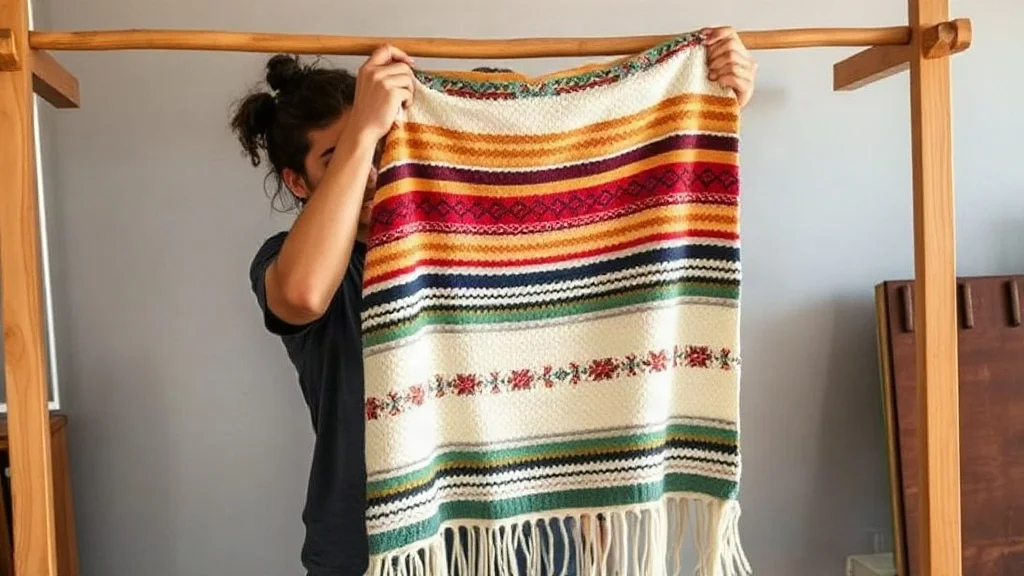
- Flat Drying: Lay the blanket flat on a drying rack or a clean, dry surface. If you must hang it, use a wide, padded hanger or drape it over a sturdy railing to prevent "shoulder peaks" or stretching.
- Strategic Placement: Place your blanket in a well-ventilated area. Crucially, keep it out of direct, harsh sunlight. While a little sun is fine, prolonged exposure to UV rays can bleach the dyes, especially in the brighter yellows and reds.
- Periodic Rotation: Flip the blanket every 4 to 6 hours. This ensures that the bottom layer dries at the same rate as the top, preventing stiffness and odors.
What to Do If You Must Use a Dryer
We understand that in the winter or in humid climates, air drying can take days. If you absolutely must use a machine, follow these harm-reduction steps to minimize damage:
- Use the "Air Fluff" or "No Heat" Setting: This uses room-temperature air to move the fabric without applying thermal stress.
- Low Heat Only: If Air Fluff is not an option, use the lowest heat setting possible. Never use "Medium" or "High."
- The 80% Rule: Remove the blanket while it is still slightly damp (approximately 80% dry). This prevents the fibers from becoming brittle and stiff.
- Finish by Flat Drying: Lay the damp blanket flat for the final few hours of drying to "set" the shape and remove wrinkles.
- Avoid Dryer Balls with Wool: While dryer balls are great for towels, they can be too abrasive for some delicate Mexican weaves, potentially pulling threads.
Preventing Common Maintenance Issues
Beyond the drying process, overall care determines the lifespan of your textile. To ensure your blanket remains a centerpiece of your home, consider these expert tips:
Preventing Stiffness
One common complaint is that Mexican blankets feel "stiff" after air drying. This is often caused by detergent residue or hard water minerals. To avoid this, use a small amount of mild, pH-neutral detergent and avoid fabric softeners, which can coat the fibers and reduce the blanket's natural breathability.
Managing Lint and Pilling
Synthetic blends may develop small balls of fiber (pilling) over time. Instead of putting them in the dryer to "shake them off," use a fabric shaver or a gentle lint brush. This preserves the surface integrity of the fabric.
Storage Secrets
Never store your blankets in plastic bins where they cannot breathe. Use breathable cotton bags or linen closets. If the blanket has been folded for a long time, a quick shake in the open air is better than a heat cycle to refresh the fibers.
Cultural Context: Respecting the Weave
Mexican-style blankets draw on long, rich textile traditions. From the indigenous roots of backstrap weaving to the industrialized brilliance of modern San Marcos production, these items are more than just home decor—they are expressions of regional identity. When we talk about "preventing shrinkage" or "avoiding the dryer," we are not just talking about maintenance; we are talking about preserving the craftsmanship of the weave.
By choosing to air dry, you are respecting the tension and balance that the weaver intended. A warped blanket is a blanket that has lost its structural harmony. By following professional care guidelines, you ensure that the heritage of the design remains intact for the next generation.
Frequently Asked Questions
Will my Mexican blanket shrink if I use a medium heat setting?
Yes, there is a high probability of shrinkage. Cotton fibers contract when exposed to medium to high heat. Even in blends, the cotton component will shrink while the synthetic component stays the same, which often leads to the blanket becoming misshapen or "bunched." Always stick to low heat or air fluff.
How long does it actually take to air dry a Mexican blanket?
Depending on the humidity and airflow, a standard Mexican blanket usually takes between 12 and 24 hours to dry completely. Using the towel-roll method described above can reduce this time by 30% by removing the majority of the water before the blanket is laid out.
Can I use a steamer to remove wrinkles instead of a dryer?
Yes, a handheld steamer is an excellent alternative to the dryer. Steaming relaxes the fibers and removes creases without the mechanical agitation of a tumble dryer. Just ensure the steamer is not held too close to the fabric for extended periods to avoid scorching synthetic blends.
Is it safe to wash my Mexican blanket in a machine before drying?
Yes, provided you use a gentle cycle with cold water. Avoid using bleach or harsh chemicals. The goal is to keep the water temperature low to prevent the dyes from bleeding and the fibers from contracting before they even reach the drying stage.
Can Mexican blankets go in the dryer if the care label says tumble dry low?
A care label that says "tumble dry low" means the fabric can technically survive the cycle, but it is not the best choice for long-term preservation. If you follow the label, use the lowest heat setting, remove the blanket while it is still slightly damp, and finish drying flat. For heirloom or handmade pieces, ignore the label and air dry regardless.
What is the safest way to dry a heavy San Marcos blanket?
The safest way to dry a heavy San Marcos blanket is to press out excess water, roll it in a clean white towel to absorb moisture, and then lay it flat on a large drying rack in a shaded, well-ventilated area. Flip it every few hours. Hanging a wet San Marcos blanket can stretch the weave and create permanent "shoulder" distortion.
Ready to Bring Authentic Mexican Craftsmanship Home?
Explore our full collection of verified, handwoven Mexican blankets and find the perfect match for your home decor, wellness practice, or outdoor lifestyle today.
Leave a Reply