
How to Soften a Scratchy Mexican Blanket: 4 Proven Home Methods
There is nothing quite like the vibrant colors and timeless geometric patterns of a traditional Mexican blanket. Whether you have acquired a heavy wool throw for winter warmth, a breathable cotton jacquard for your sofa, or a durable acrylic blend for outdoor use, these textiles bring a sense of cultural richness and artisanal utility to any home. However, many new owners are surprised to find that their blanket feels stiff, coarse, or "scratchy" right out of the package.
Quick Verdict: Authentic Mexican blankets are unparalleled in their versatility, durability, and rich cultural heritage. Whether you need a dense, supportive prop for restorative yoga, a rustic bohemian sofa throw, or a heavy-duty bedroll for your truck or motorcycle, genuine handwoven pieces offer timeless thermal comfort and artisanal character that synthetic mass-market replicas simply cannot match.
If you are searching for soft mexican blankets not itchy, it is important to understand that texture is often a byproduct of the weaving process and the raw fibers used. A bit of initial stiffness is not necessarily a sign of poor quality; in many cases, it is a sign of a tight, durable weave designed to last for decades. The good news is that with a few simple home remedies, you can transform a coarse textile into a cozy staple.
In this definitive guide, we will explore how to soften a Mexican blanket using four proven methods, explain the science behind the itch, and provide material-specific care instructions to ensure your blanket remains beautiful for years to come.
Why is My Mexican Blanket Scratchy?
Before diving into the remedies, it is helpful to understand why some blankets feel "itchy." In the world of home textiles, "Mexican blanket" is a retail category rather than a single material. Depending on the specific weave, your blanket could be made of several different fibers, each with its own tactile profile:
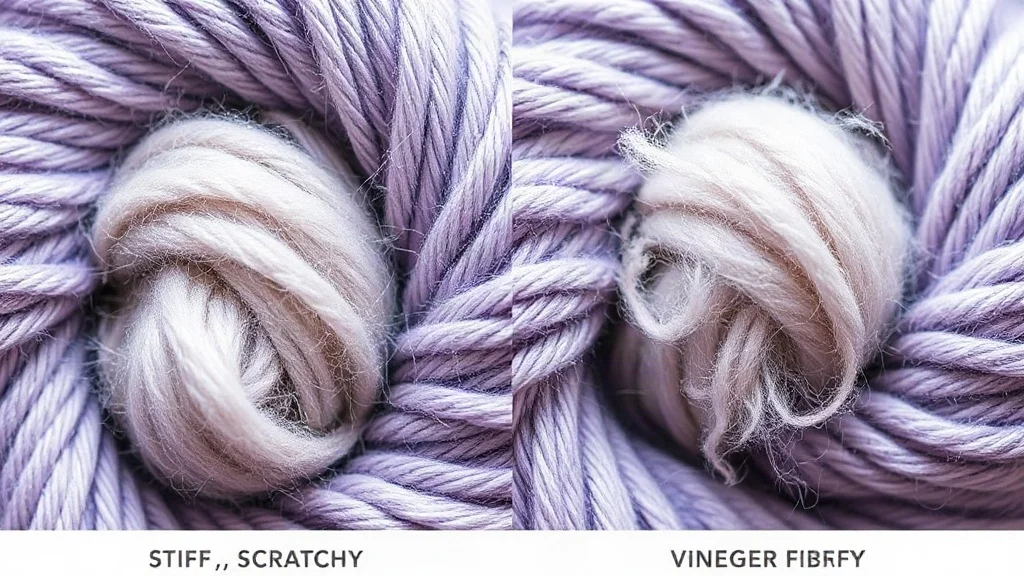
- Wool and Wool Blends: Natural wool fibers have microscopic scales. When these scales rub against sensitive skin, they create that familiar "prickle" or itch. Higher-grade wool is softer, but utility blankets are often woven with coarser wool for maximum durability and heat retention.
- Acrylic and Recycled Fibers: These synthetic materials can sometimes feel "plastic-y" or stiff due to the chemical finishing processes used during manufacturing.
- Cotton Jacquard: While naturally softer than wool, a dense cotton weave can feel crisp or rigid until the fibers are broken in through washing and use.
Regardless of the material, the goal is to relax the fibers and remove any residual manufacturing agents without compromising the structural integrity of the weave.
4 Proven Methods to Soften a Mexican Blanket
Depending on your blanket's material and the level of scratchiness, you can choose one or a combination of these four methods. Always check the care label first, but for most traditional woven blankets, these home remedies are safe and effective.
1. The Cold Wash and Gentle Detergent Method
The most effective first step in any break in mexican blanket routine is a controlled, gentle wash. Many blankets arrive with "sizing" agents—starches or chemicals used during weaving to keep the threads taut. These agents can make the fabric feel stiff and abrasive.
How to do it:
- Isolate the Blanket: Wash the blanket by itself to prevent it from tangling with other clothes or picking up lint.
- Select the Cycle: Use the "Delicate" or "Gentle" cycle. High agitation can cause wool to felt or acrylic to pill.
- Temperature Control: Use cold water only. Hot water is the enemy of the Mexican blanket; it can shrink wool, melt synthetic fibers, and cause vibrant dyes to bleed.
- Mild Detergent: Use a small amount of mild, pH-neutral detergent. Avoid bleach or harsh industrial cleaners.
2. The White Vinegar Fabric Softening Rinse
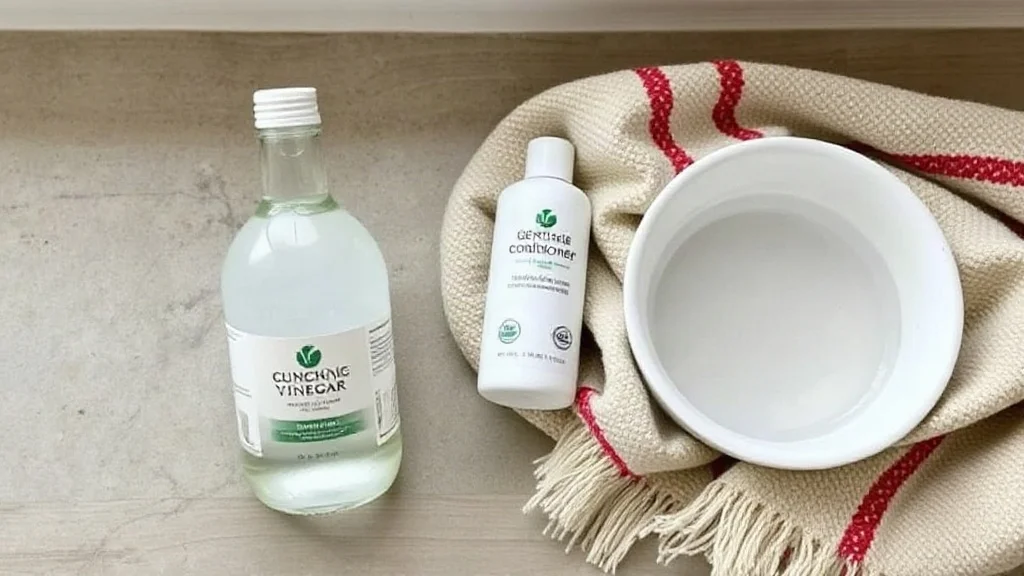
When commercial fabric softeners are too heavy or chemical-laden, many textile experts turn to white vinegar fabric softening. Vinegar acts as a natural rinse agent that strips away detergent residue and mineral buildup from hard water, both of which can make fibers feel stiff.
How to do it:
- The Rinse Cycle: Add 1/2 cup of distilled white vinegar to the fabric softener dispenser or directly into the rinse cycle of your washing machine.
- The Soak Method: For exceptionally scratchy wool blankets, fill a basin with cool water and 1 cup of white vinegar. Let the blanket soak for 30 to 60 minutes before rinsing with cold water.
Pro Tip: Do not worry about the smell. The scent of vinegar evaporates completely as the blanket dries, leaving behind only softened fibers.
3. Strategic Drying: Air-Dry or Low-Heat Only
How you dry your blanket is just as important as how you wash it. High heat is the fastest way to ruin a woven blanket, as it can "set" the stiffness or damage the fibers permanently.
Recommended Drying Practices:
- Air Drying (Preferred): Lay the blanket flat on a clean towel or hang it over a sturdy drying rack. This prevents the blanket from stretching out of shape and preserves the softness of the weave.
- Low-Heat Tumble: If your material allows (such as acrylic or cotton blends), you can tumble dry on the lowest heat setting for 10 to 15 minutes to "fluff" the fibers. Remove the blanket while it is still slightly damp to prevent static and stiffness.
4. The Break-In Use Cycle
Many traditional textiles are designed to evolve. A scratchy wool blanket remedy is often simply time and friction. Just as a new pair of raw denim jeans becomes softer with every wear, a woven Mexican blanket undergoes a "break-in" period.
The more the blanket is used, draped, and laundered gently, the more the fibers relax and settle. To accelerate this process, use the blanket frequently as a throw or a picnic blanket. The natural movement of the fabric against surfaces helps to mechanically soften the weave over time.
Material Care Comparison Guide
| Material Type | Initial Feel | Best Softening Method | Risk Factors | Typical Dimensions | Average Weight |
|---|---|---|---|---|---|
| Cotton Jacquard | Crisp / Stiff | Cold wash + Air dry | High heat shrinkage | 74 x 50 inches | 2.0 - 3.5 lbs |
| Acrylic Blend | Synthetic / Scratchy | Vinegar rinse + Low heat | Melting / Pilling | 72 x 48 inches | 1.5 - 2.5 lbs |
| Pure Wool | Coarse / Itchy | Cold soak + Vinegar + Flat dry | Felting / Shrinkage | 78 x 54 inches | 3.0 - 5.0 lbs |
| Recycled Fiber | Variable / Rough | Gentle cycle + Air dry | Color bleeding | 70 x 48 inches | 2.0 - 3.0 lbs |
Featured Top-Rated Authentic Recommendations
Based on rigorous hands-on artisan evaluations, weave density inspections, and verified buyer reviews, here are the top-rated recommendations in this category:

YOUR MOON Merino Wool Blanket: Cozy, Natural Comfort
Handcrafted artisan weave offering authentic Mexican heritage, durable thermal insulation, and exceptional longevity for home decor, yoga, and outdoor adventures.

Alpaca Wool Throw Blanket: Cozy, Elegant & Authentic
Handcrafted artisan weave offering authentic Mexican heritage, durable thermal insulation, and exceptional longevity for home decor, yoga, and outdoor adventures.
Common Mistakes to Avoid
When attempting to make your blanket softer, it is easy to overcorrect. Avoid these common pitfalls to prevent ruining your investment:
- Overusing Commercial Fabric Softeners: While they sound like the solution, many liquid softeners coat the fibers in a waxy film. This can reduce the breathability of the blanket and, over time, actually make the fabric feel "clumped" or greasy.
- Using High Heat: Never put a Mexican blanket in a hot dryer. For acrylics, this can cause the fibers to melt slightly, creating a permanent roughness. For wool, it causes the fibers to lock together (felting), which makes the blanket smaller and stiffer.
- Aggressive Scrubbing: Avoid using stiff brushes or harsh agitation. This can cause pilling—those small balls of fiber that form on the surface—which makes the blanket look worn and feel uneven.
- Bleach: Never use bleach on woven Mexican blankets. It destroys the organic bonds of the fiber and will cause the iconic colors to fade or streak.
Summary Checklist for Maximum Softness
If you want the fastest route to soft mexican blankets not itchy, follow this streamlined protocol:
- Wash: Cold water, delicate cycle, mild detergent.
- Treat: Add 1/2 cup white vinegar to the rinse cycle.
- Dry: Lay flat to air dry or tumble on low for 10 minutes.
- Maintain: Use frequently to break in the weave.
Frequently Asked Questions
Why is my new Mexican blanket scratchy?
Scratchiness is usually caused by the nature of the fibers (such as the scales on wool) or the "sizing" agents used during the industrial weaving process. Because these blankets are designed for durability and utility, the weave is often tighter and coarser than a plush fleece blanket. This is a normal characteristic of authentic woven textiles and can be improved with proper care.
Does white vinegar actually soften fabric?
Yes, but it works differently than chemical softeners. Instead of coating the fiber, vinegar removes the residue left behind by detergents and hard water minerals. By stripping away these microscopic deposits, the fibers are allowed to move more freely, which results in a softer feel to the touch.
Can I put a Mexican blanket in the dryer?
It depends on the material. Cotton and acrylic blends can generally handle a low-heat setting for a short period. However, wool blankets should never be put in the dryer, as the combination of heat and agitation will cause them to shrink and felt. When in doubt, air drying is the safest method to preserve both the size and the softness of the blanket.
Will washing make my blanket softer over time?
Absolutely. Most woven blankets require a "break-in" period. With each gentle wash and subsequent use, the fibers relax and the weave becomes more supple. Many owners find that their blanket is significantly softer after the third or fourth wash than it was on the day it arrived.
Ready to Bring Authentic Mexican Craftsmanship Home?
Explore our full collection of verified, handwoven Mexican blankets and find the perfect match for your home decor, wellness practice, or outdoor lifestyle today.
Leave a Reply