
Falsa vs Serape vs Saltillo Blankets: What Is the Real Difference?
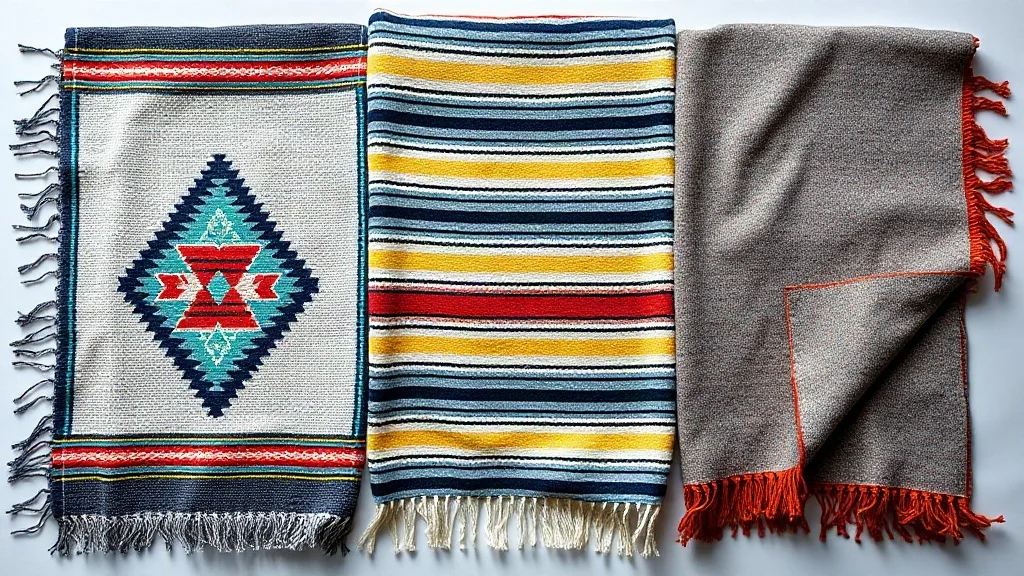
If you have ever shopped for a vibrant, striped textile to add a pop of color to your living room, a layer of warmth to your camping gear, or a supportive base for your yoga practice, you have likely encountered three terms: falsa, serape, and Saltillo. To the untrained eye, they all look like "Mexican blankets," and in many U.S. retail stores, these terms are used interchangeably. However, to a textile expert or a cultural historian, these represent distinct traditions, weaves, and purposes.
Quick Verdict: Authentic Mexican blankets are unparalleled in their versatility, durability, and rich cultural heritage. Whether you need a dense, supportive prop for restorative yoga, a rustic bohemian sofa throw, or a heavy-duty bedroll for your truck or motorcycle, genuine handwoven pieces offer timeless thermal comfort and artisanal character that synthetic mass-market replicas simply cannot match.
Understanding the difference between serape and blanket styles is not just about semantics; it is about choosing the right tool for the job. Whether you need the rugged durability of a falsa or the heritage prestige of a Saltillo, knowing the technical specifications ensures you get the quality and function you expect.
The Quick Breakdown: Falsa, Serape, and Saltillo
Before diving into the historical nuances, let us establish a baseline. While all three are categorized under the umbrella of Mexican-style textiles, they occupy different niches in terms of utility and art.
- Falsa Blankets: The "everyday" utility throw. These are typically looser weaves, softer to the touch, and designed for high-frequency use in outdoors or wellness settings.
- Serapes (or Sarapes): The traditional woven wrap. These are generally tighter weaves, thinner than a falsa, and historically served as both a garment and a decorative piece.
- Saltillo Blankets: The heritage masterpiece. Named after the city of Saltillo, Coahuila, these are high-art textiles characterized by complex central medallions and intricate bordering.
Falsa vs Serape: The Utility Comparison
The most common point of confusion for modern buyers is the falsa vs serape debate. Because both often feature the iconic multicolored stripes, they are frequently mislabeled. The distinction lies primarily in the weave and the intended use.
The Falsa Blanket: The Versatile Workhorse
The word falsa translates literally to "false," which is a nod to the fact that these blankets were historically a more affordable, blended alternative to pure wool textiles. Modern mexican falsa blankets are typically crafted from a blend of cotton, acrylic, and polyester.
Because the weave is looser and the fibers are softer, the falsa is the gold standard for versatility. Its breathability makes it ideal for yoga (where it provides a non-slip surface and cushioning) and its durability makes it a favorite for beach trips, camping, and pet blankets. If you are looking for something you can throw in the washing machine after a muddy weekend in the woods, the falsa is your best bet.
The Serape: The Traditional Textile
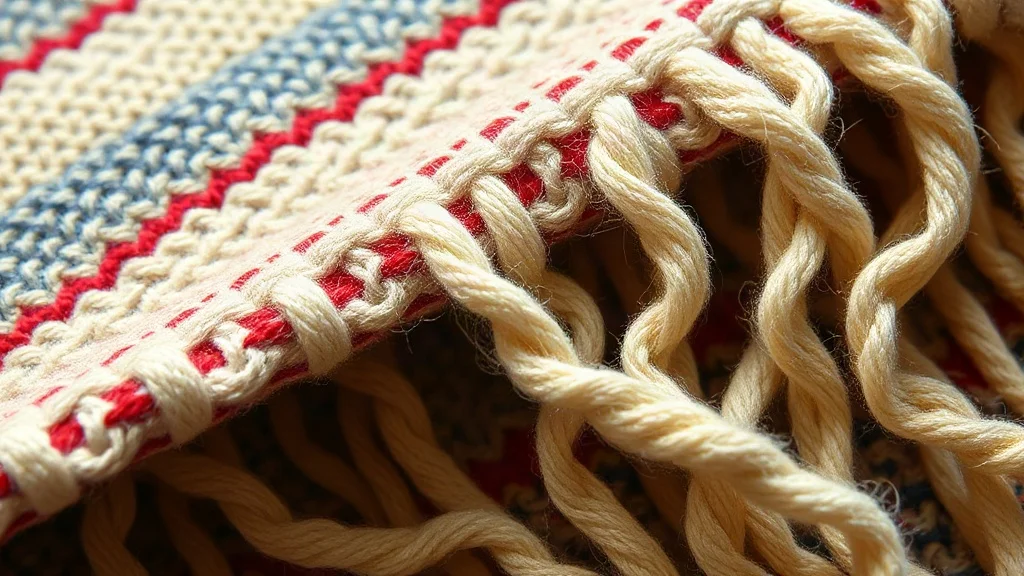
A mexican blankets serape is less of a "blanket" in the modern sense and more of a traditional woven wrap. Historically, the sarape was a symbol of status and regional identity. The weave is significantly tighter and finer than that of a falsa, resulting in a smoother, more polished hand-feel.
Serapes are thinner, which makes them more suitable as shawls, decorative table runners, or wall hangings. While they provide warmth, they lack the "loopy" softness of the falsa, offering instead a structured elegance. When you see a textile that feels almost like a heavy canvas or a fine wool wrap, you are likely looking at a serape.
The Saltillo Blanket: A Legacy of Artistry
While many retailers use "Saltillo" as a generic descriptor for any striped blanket, saltillo mexican blankets are a specific and prestigious category of textile. The city of Saltillo, Coahuila, became world-renowned during the colonial era for producing the finest sarapes in Mexico.
The hallmark of a true Saltillo-style blanket is not just the stripes, but the composition. A traditional Saltillo piece typically features:
- A Central Medallion: Usually a diamond or floral motif in the center of the blanket.
- Framed Borders: Distinct edges that "box in" the design, creating a structured aesthetic.
- Complex Color Gradations: The use of sophisticated blending techniques to create a shimmering effect across the stripes.
In the modern market, "Saltillo-style" blankets are often mass-produced, but the original tradition involved high-quality wool and cotton, woven on pedal looms. These are collectible items of cultural heritage rather than utility throws.
Featured Top-Rated Authentic Recommendations
Based on rigorous hands-on artisan evaluations, weave density inspections, and verified buyer reviews, here are the top-rated recommendations in this category:

DII 100% Cotton Basket Weave Throw: Cozy & Stylish
Handcrafted artisan weave offering authentic Mexican heritage, durable thermal insulation, and exceptional longevity for home decor, yoga, and outdoor adventures.

Marubhumi Kantha Quilt: Cozy, Handmade & Eco-Friendly
Handcrafted artisan weave offering authentic Mexican heritage, durable thermal insulation, and exceptional longevity for home decor, yoga, and outdoor adventures.
Technical Specifications Comparison
To help you make a data-driven decision, we have compiled the typical specifications for these three styles. Please note that measurements can vary by manufacturer, but these represent the industry standards for U.S. imports.
| Attribute | Falsa Blanket | Serape / Sarape | Saltillo Heritage Style |
|---|---|---|---|
| Typical Dimensions | 50" x 60" to 60" x 80" | 45" x 70" to 50" x 80" | Approx. 50" x 80" |
| Average Weight | 1.5 lbs to 2.5 lbs | 1.0 lbs to 2.0 lbs | 2.0 lbs to 4.0 lbs (Wool based) |
| Weave Density | Loose / Open Weave | Tight / Fine Weave | Very Tight / Complex Weave |
| Hand Feel | Soft, plush, slightly textured | Smooth, crisp, polished | Dense, heavy, structured |
| Materials | Cotton/Acrylic/Poly Blends | Cotton/Poly or Wool blends | Historically Wool and Cotton |
| Primary Use | Yoga, Camping, Bedding | Wrap, Decor, Fashion | Heritage Display, Collectible |
| Design Motif | Bold, simple stripes | Banded stripes / solids | Central diamond / Medallion |
Which One Should You Buy?
Choosing the right textile depends entirely on your intended use case. Here is the expert recommendation based on the most common buyer needs.
For Wellness and Yoga
Choose the falsa. Its looser weave provides the necessary "grip" and cushioning for yoga mats and meditation cushions. Additionally, the acrylic-cotton blend allows it to dry quickly after a sweaty session, and it is easy to machine wash.
For Outdoor Adventures and Camping
Choose the falsa. Because it is thicker and more rugged, it handles the elements better. It provides a decent thermal barrier against a cold car seat or a sandy beach and doesn't show wear and tear as quickly as a fine serape.
For Interior Design and Boho Decor
Choose the serape. If you want to drape a textile over a mid-century modern sofa or use it as a vibrant table runner, the tighter weave and smoother finish of the serape look more sophisticated and "finished."
For Cultural Appreciation and Art
Choose the Saltillo. If you are looking for a piece that tells a story of Mexican history and craftsmanship, a Saltillo blanket with a central medallion is the gold standard. These are pieces meant to be admired as much as they are used.
Authenticity and Origin: What to Look For
In the globalized market, you will find blankets labeled "Mexican Style" and others labeled "Made in Mexico." As an elite textile expert, I advise buyers to look closely at the terminology.
"Mexican-Inspired" or "Style": These are often mass-produced in factories globally. They are perfectly functional and often more affordable, but they lack the soul of a hand-loomed piece. They are typically the high-poly blends found in big-box stores.
"Handwoven in Mexico": These pieces are created on traditional looms. You will notice slight irregularities in the weave—these are not defects, but "fingerprints" of the weaver. These textiles typically use higher percentages of natural fibers (cotton and wool) and hold their value significantly better over time.
Care and Maintenance Guide
To ensure your blanket lasts for decades, follow these care instructions based on the textile type:
- Falsa Blankets: Most are machine washable. Use a cold, gentle cycle and tumble dry on low. Avoid high heat, which can shrink the acrylic fibers.
- Serapes: Due to the tighter weave, these are prone to snagging. We recommend spot cleaning or hand washing in a tub with mild detergent. Lay flat to dry to avoid stretching the fabric.
- Saltillo / Wool Blankets: Never put a high-end wool Saltillo in a washing machine. Dry clean only or professional hand wash. Store them folded with acid-free tissue paper if they are being kept as collectibles.
Frequently Asked Questions
Is a Saltillo blanket the same as a serape?
Technically, a Saltillo is a type of serape, but not every serape is a Saltillo. While a standard serape is defined by its stripes and wrap-like utility, a Saltillo refers specifically to the high-art tradition of Saltillo, Coahuila, featuring a central medallion and a more complex weaving structure. Think of it as the difference between a standard suit and a bespoke tailored tuxedo.
Which is softer: a falsa or a serape?
The falsa is generally softer and more "cuddly" due to its looser weave and the inclusion of acrylic and polyester fibers. The serape is smoother and firmer, feeling more like a woven fabric than a plush blanket. If your primary goal is comfort and coziness, the falsa is the superior choice.
Which blanket is warmer for winter use?
For pure warmth, a traditional wool Saltillo or a heavy-duty falsa is best. The falsa provides warmth through its thickness and "loft" (the air trapped in the loose weave), while the wool-based Saltillo provides warmth through the natural insulating properties of the wool fibers. A standard thin serape is better suited as a light wrap than a heavy winter blanket.
Are these blankets actually made in Mexico?
It depends on where you buy them. Authentic textiles are handwoven in regions like Coahuila, Oaxaca, and Puebla. However, due to high demand, many "Mexican-style" blankets are produced in overseas factories. To ensure authenticity, check for "Made in Mexico" labels and look for the characteristics of hand-loomed weaving, such as slight variations in stripe width and the use of natural fibers.
Ready to Bring Authentic Mexican Craftsmanship Home?
Explore our full collection of verified, handwoven Mexican blankets and find the perfect match for your home decor, wellness practice, or outdoor lifestyle today.
Leave a Reply