
What Are Mexican Blankets Made Of? Cotton, Acrylic, Wool & Recycled Fibers Explained
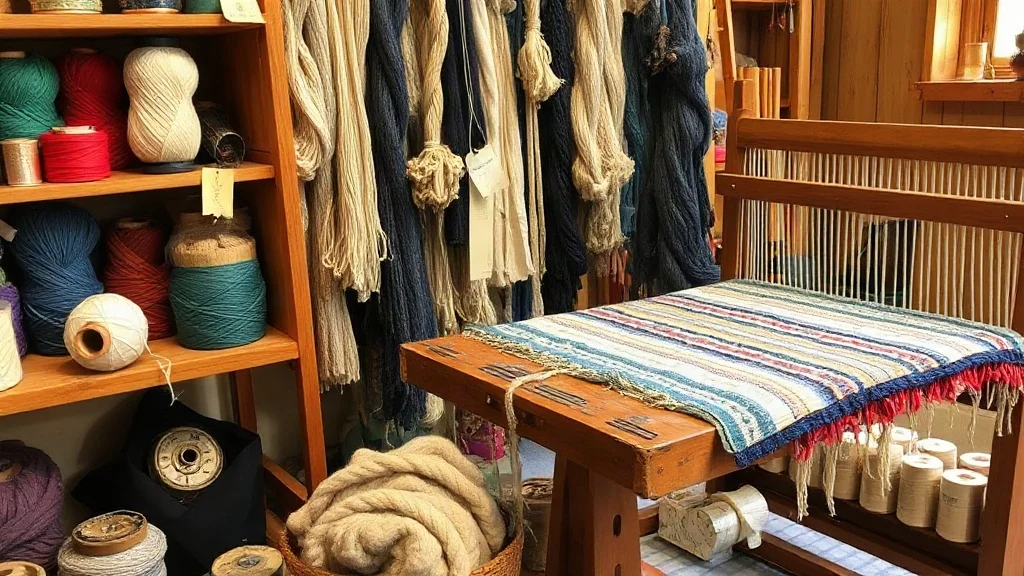
When shopping for a Mexican blanket, the first question most buyers ask is simple: What are Mexican blankets made of? To the untrained eye, these vibrant, woven textiles all look similar, but the material composition varies wildly depending on whether you are purchasing a budget-friendly beach throw, a professional yoga prop, or a heritage-grade heirloom.
Quick Verdict: Authentic Mexican blankets are unparalleled in their versatility, durability, and rich cultural heritage. Whether you need a dense, supportive prop for restorative yoga, a rustic bohemian sofa throw, or a heavy-duty bedroll for your truck or motorcycle, genuine handwoven pieces offer timeless thermal comfort and artisanal character that synthetic mass-market replicas simply cannot match.
Understanding the difference between Mexican blankets material and specific weave styles—such as the Falsa or the Sarape—is the key to choosing a blanket that fits your lifestyle. From the sustainable appeal of recycled acrylic yarn to the breathable luxury of 100% cotton, the fabric determines everything from the blanket's warmth and weight to how it feels against your skin after ten washes.
The Common Core: The Recycled Fiber Blend
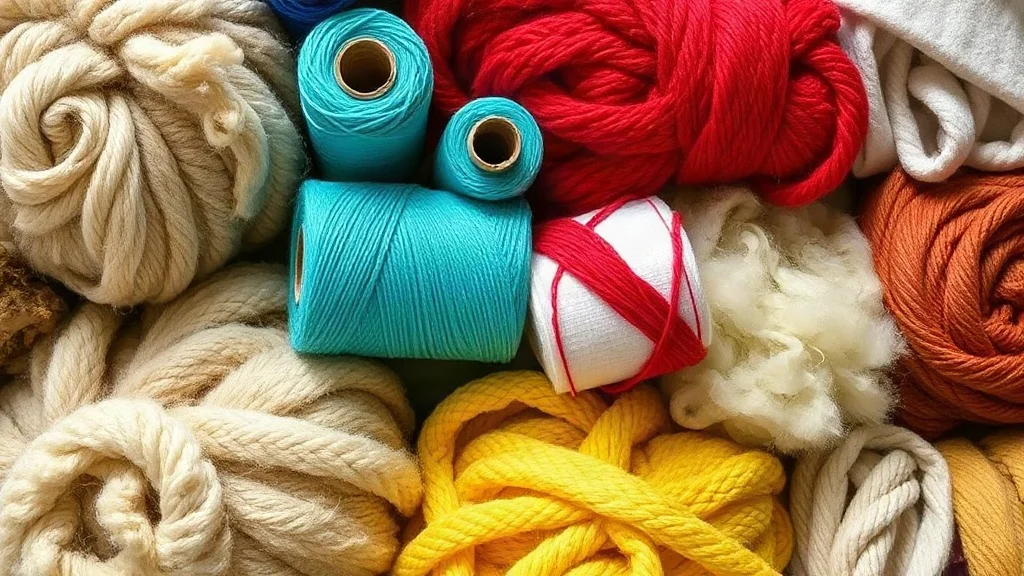
If you have purchased a colorful, durable Mexican blanket from a mainstream U.S. retailer, it is most likely a recycled fiber blend. This is the industry standard for the commercial "Falsa" style blanket. These textiles are typically crafted from a mixture of recycled cotton, acrylic, and polyester.
The use of reclaimed fibers is not just a cost-saving measure; it is an eco-conscious approach to textile production. By utilizing upcycled yarns, manufacturers reduce textile waste while creating a fabric that is significantly more durable than pure cotton. The acrylic and polyester components provide the structural integrity needed for outdoor use, ensuring the blanket does not stretch out of shape or fade quickly when exposed to sunlight.
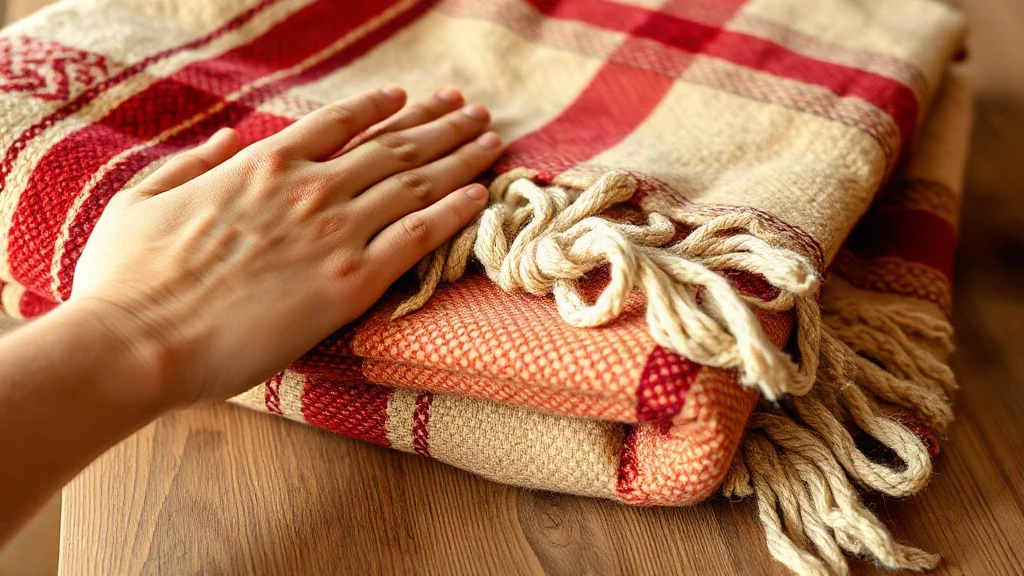
What fabric are Mexican blankets made of when they feel slightly stiff at first? That is the hallmark of the recycled blend. These blankets possess a coarse, tactile hand-feel that is ideal for rugged use, but they are designed to soften significantly over time with regular laundering.
Premium Alternatives: 100% Cotton and Wool
While the recycled blend dominates the casual market, connoisseurs and luxury shoppers often seek out specific natural fibers. Depending on the region of origin and the intended use, you will find two primary premium alternatives.
Mexican Blankets 100% Cotton
For those who prioritize breathability and a natural touch, Mexican blankets 100 cotton options are the gold standard. These are typically softer from day one and are far more breathable than synthetic blends, making them ideal for summer throws, lightweight bedding, or indoor decor. Cotton blankets are less likely to pill and provide a more consistent, smooth texture, though they may lack the extreme durability of the acrylic blends when used as a ground cover.
Traditional Wool
Historically, wool was the primary material for blankets in the colder highlands of Mexico. After the introduction of sheep during the colonial era, wool weaving became a cornerstone of Mexican textile art. Today, high-end Sarapes and Saltillo-style blankets are often made of wool. These are significantly heavier, offer superior thermal insulation for camping or winter use, and carry a prestigious heritage. Wool is naturally water-resistant and exceptionally warm, though it requires more careful maintenance than synthetic blends.
Material Comparison: Choosing the Right Blanket
To help you decide which material suits your needs, the following table breaks down the specifications, strengths, and primary use cases for the most common materials found in the U.S. market.
| Material | Typical Dimensions | Weight (Approx.) | Best Use Case | Key Strength | Trade-off |
|---|---|---|---|---|---|
| Recycled Blend (Cotton/Acrylic/Poly) | 74 in x 50 in | 24 oz - 32 oz | Yoga, Beach, Picnic | High Durability | Stiff initial feel |
| 100% Cotton | 72 in x 48 in | 20 oz - 28 oz | Indoor Decor, Summer Throw | Breathability | Less rugged |
| Pure Wool | 80 in x 50 in | 40 oz - 60 oz | Camping, Winter, Heritage | Maximum Warmth | Higher Price/Care |
| Recycled Acrylic Yarn | 74 in x 50 in | 18 oz - 24 oz | Lightweight Travel, Decor | Color Retention | Synthetic Feel |
Featured Top-Rated Authentic Recommendations
Based on rigorous hands-on artisan evaluations, weave density inspections, and verified buyer reviews, here are the top-rated recommendations in this category:

YOUR MOON Merino Wool Blanket: Cozy, Natural Comfort
Handcrafted artisan weave offering authentic Mexican heritage, durable thermal insulation, and exceptional longevity for home decor, yoga, and outdoor adventures.

Alpaca Wool Throw Blanket: Cozy, Elegant & Authentic
Handcrafted artisan weave offering authentic Mexican heritage, durable thermal insulation, and exceptional longevity for home decor, yoga, and outdoor adventures.
Decoding Styles: Falsa, Sarape, and Saltillo
It is common to confuse the material with the style. While they often overlap, the name of the blanket usually refers to the weave and pattern rather than just the fiber.
The Falsa
The Falsa is the "everyman" blanket. It is characterized by its striped patterns and a sturdy, coarse weave. Most Falsas are made from the recycled acrylic yarn and cotton blend. They are designed for utility—think of them as the "workhorse" of Mexican textiles. They are the preferred choice for yoga practitioners because the texture prevents sliding during poses.
The Sarape
A Sarape is more of a garment or a decorative wrap. Historically, these were woven from wool and featured intricate, multicolored gradients. While modern commercial versions may use acrylic for affordability, a true, high-quality Sarape is a piece of art, often utilizing finer wool or cotton threads to achieve complex patterns.
The Saltillo
Named after the city of Saltillo, these are the most prestigious of the traditional styles. They are known for their centered diamond motifs and high-quality wool construction. If you are looking for a blanket that functions as a family heirloom, the Saltillo style in wool is the definitive choice.
Practical Performance: Warmth, Softness, and Care
One of the most frequent concerns for buyers is whether these blankets are "soft enough" or "warm enough." The answer depends entirely on the material blend.
The Softening Process
Many users wonder why their new recycled-blend blanket feels scratchy. This is due to the nature of recycled acrylic yarn and reclaimed cotton, which can have slightly uneven fiber lengths. However, these blankets are designed to break in. After two or three washes in cold water, the fibers relax, and the blanket develops a cozy, lived-in softness without losing its structural integrity.
Warmth and Insulation
For couch use or light layering, the recycled blend and 100% cotton options are sufficient. However, for genuine outdoor camping or cold-weather use, wool is the only material that provides true thermal insulation. The dense weave of a wool Sarape traps heat far more effectively than the porous weave of a cotton Falsa.
Maintenance and Longevity
Most modern Mexican blankets sold in the U.S. are machine washable. For recycled blends and cotton, a gentle cycle with cold water and a low-heat tumble dry is recommended to prevent shrinkage. Wool blankets, conversely, should be hand-washed or dry-cleaned to avoid felting the fibers and shrinking the garment.
Historical Context: From Local Fibers to Global Utility
To understand what fabric are Mexican blankets made of today, one must look at the history of Mexican weaving. For centuries, weavers used what the land provided. In the hot coastal regions, cotton was king. In the chilly central highlands, wool from sheep—introduced by the Spanish—became the primary medium.
The transition to recycled blends is a modern evolution. As the demand for these blankets grew globally, the industry adapted to create a product that was affordable, colorful, and nearly indestructible. What was once a regional necessity has become a global symbol of bohemian style and practical utility, blending ancient weaving techniques with modern, sustainable material science.
Buying Guide: Which Material Should You Choose?
To ensure you get the best value, match your intended use to the material:
- For Yoga and Fitness: Choose the Recycled Blend. The grip provided by the acrylic/cotton mix is essential for stability on a studio floor.
- For Beach and Picnic: Choose the Recycled Blend. Its durability and resistance to sand and dirt make it the most practical outdoor choice.
- For Interior Design: Choose 100% Cotton. The softer drape and natural feel complement modern furniture and provide a cleaner aesthetic.
- For Cold Weather/Camping: Choose Wool. Nothing beats the warmth-to-weight ratio of traditional wool for surviving a chilly night.
Frequently Asked Questions
Are Mexican blankets authentic if they contain acrylic or polyester?
Yes. Authenticity in modern Mexican blankets is more about the weaving technique and the cultural design than the purity of the fiber. The "Falsa" style is traditionally and commercially produced using recycled blends. As long as the weave is authentic and the design follows traditional patterns, the inclusion of synthetic fibers for durability does not make it "inauthentic"—it makes it a modern utility textile.
Why do some blankets have small flecks of different colors in the weave?
This is a characteristic of blankets made from recycled acrylic yarn and reclaimed cotton. Because the yarn is created from repurposed textile scraps, tiny fragments of different colored fibers occasionally remain in the blend. Rather than a defect, these "flecks" are a badge of sustainability, proving that the blanket was made from upcycled materials.
Do 100% cotton Mexican blankets shrink in the wash?
Like all natural cotton products, there is a slight risk of shrinkage if washed in hot water or dried on high heat. To maintain the original size of your 100% cotton blanket, always wash in cold water and air dry or use a low-heat setting on your dryer.
Which material is the most durable for pets and children?
The recycled cotton/acrylic/polyester blend is the most durable. The synthetic fibers act as a reinforcement, making the fabric resistant to tears, snags, and heavy wear. While wool is also durable, it is more prone to snagging and is harder to clean if a pet or child spills something on it.
Ready to Bring Authentic Mexican Craftsmanship Home?
Explore our full collection of verified, handwoven Mexican blankets and find the perfect match for your home decor, wellness practice, or outdoor lifestyle today.
Leave a Reply