
The Ultimate Guide to Authentic Mexican Blankets: Types, History & Uses
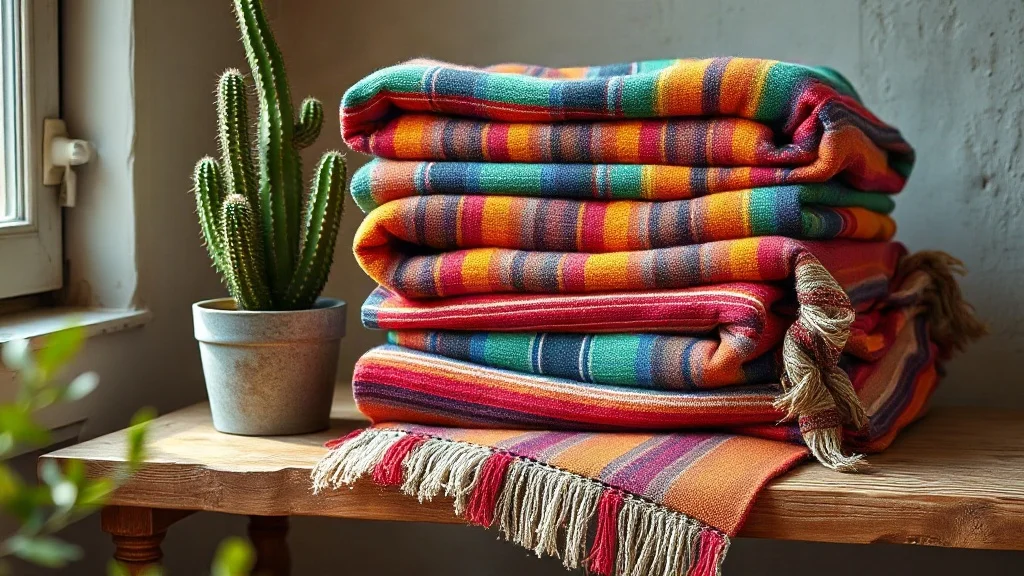
When you search for authentic mexican blankets, you are not looking for a single product, but rather a gateway into a centuries-old textile tradition. From the vibrant, striped serapes of the highlands to the breathable falsa blankets used in modern yoga studios, these textiles represent a fusion of indigenous artistry and colonial influence. To the untrained eye, they may all look like "colorful blankets," but to the collector and the home textile expert, each weave, fiber, and pattern tells a specific story of geography, utility, and heritage.
Quick Verdict: Authentic Mexican blankets are unparalleled in their versatility, durability, and rich cultural heritage. Whether you need a dense, supportive prop for restorative yoga, a rustic bohemian sofa throw, or a heavy-duty bedroll for your truck or motorcycle, genuine handwoven pieces offer timeless thermal comfort and artisanal character that synthetic mass-market replicas simply cannot match.
This definitive guide explores the nuances of traditional mexican blankets, helping you distinguish between historical styles, understand the materials used, and choose the perfect piece for your home, health practice, or outdoor adventures.
What Makes a Mexican Blanket Authentic?
Authenticity in Mexican textiles is a spectrum. Because Mexico has a diverse range of weaving traditions—from the Zapotec weavers of Oaxaca to the artisans of Coahuila—there is no single "standard" for authenticity. However, true handmade mexican blankets typically share several key characteristics:
- The Loom Process: Historically, authentic pieces are woven on pedal looms or backstrap looms. While many modern versions are produced on industrial looms to make them accessible, the "authentic" spirit remains in the adherence to traditional patterns and color palettes.
- Fiber Integrity: Traditional pieces historically utilized cotton, agave (maguey) fibers, and wool. While acrylic and recycled blends are common in commercial versions today, high-end authentic pieces often prioritize wool or organic cotton.
- Pattern Significance: Authentic designs are rarely random. Geometric diamonds, specific stripe sequences, and animal motifs often denote the region of origin or the intended use of the garment.
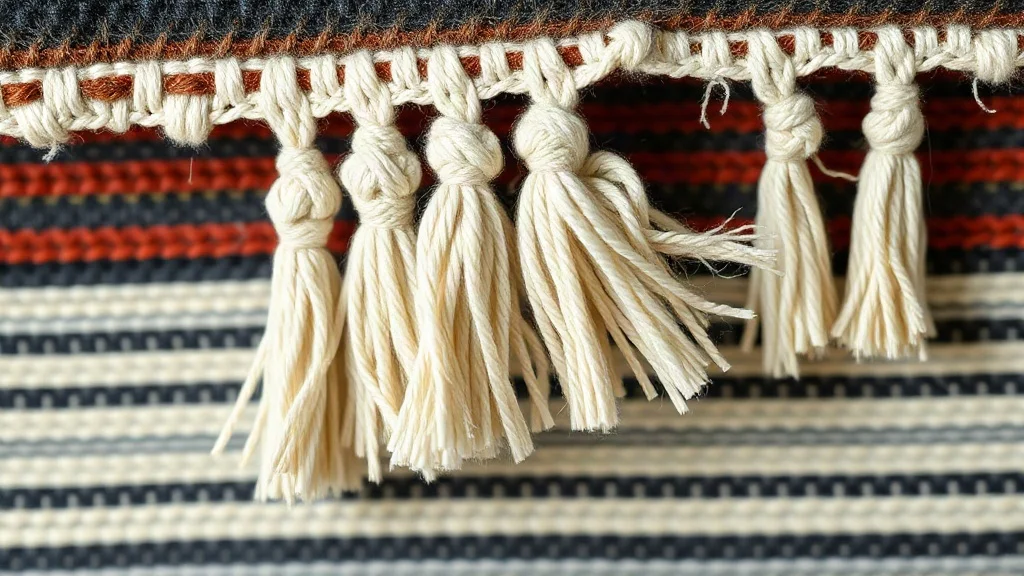
- The Finish: Look for the fringe. In traditional weaving, the fringe is not merely decorative; it is the natural termination of the warp threads, integrated into the structure of the blanket rather than sewn on as an afterthought.
A Brief History of Mexican Weaving
The history of types of mexican blankets is a mirror of Mexico's own cultural evolution. Before the arrival of the Spanish, indigenous peoples used cotton and fibers from the agave plant to create intricate textiles. These were often used as wraps, clothing, and ceremonial coverings.
The Spanish conquest introduced two transformative elements: wool-bearing sheep and the pedal loom. This allowed for the creation of denser, warmer fabrics that could withstand the chilly nights of the Mexican plateau. The most famous result of this fusion was the Serape (or Sarape).
By the 18th century, the city of Saltillo became the epicenter of luxury weaving. The Saltillo blanket became a status symbol, characterized by its complex central diamond motif and sophisticated color gradients. Over time, these textiles transitioned from functional outerwear—worn as cloaks by men—into the versatile home decor pieces we recognize today.
Understanding Mexican Blanket Types
To choose the right textile, you must first understand the distinct categories of mexican blanket types. Each is designed for a specific purpose, from warmth and protection to breathability and aesthetics.
The Saltillo Blanket
The gold standard of Mexican weaving, the Saltillo is more of a tapestry than a simple blanket. Known for its bold, geometric center—usually a diamond shape—and a gradient of colors that bleed into one another, the Saltillo is a piece of art. These are typically heavier and more structured, making them ideal as wall hangings or formal bed throws.
The Serape (Sarape)
While often used interchangeably with "Mexican blanket," the serape is specifically a long, rectangular cloth. Traditionally worn as a shawl or wrap, the modern serape is characterized by its bright, multicolored stripes. They are highly versatile and serve as the quintessential "boho" accent for living rooms and patios.
The Falsa Blanket
The "falsa" (meaning "false" or "imitation") is a lighter, more breathable weave. It is not designed for deep winter warmth but rather for versatility. Because of its open weave and lightweight feel, it has become the preferred choice for yoga practitioners who use it as a mat cover or a light layer during Savasana.
The Thunderbird Blanket
A more contemporary addition to the market, these blankets feature the stylized Thunderbird motif. While they draw on indigenous spiritual symbols, they are generally produced for the commercial market and are prized for their bold graphic appeal and durability.
San Marcos-Style Blankets
These are the utilitarian workhorses of the Mexican textile world. Heavier, denser, and often made from polyester or wool blends, San Marcos blankets are designed for maximum warmth and durability. These are the blankets you take camping or use as an extra layer on a bed during January.
Featured Top-Rated Authentic Recommendations
Based on rigorous hands-on artisan evaluations, weave density inspections, and verified buyer reviews, here are the top-rated recommendations in this category:

DII 100% Cotton Basket Weave Throw: Cozy & Stylish
Handcrafted artisan weave offering authentic Mexican heritage, durable thermal insulation, and exceptional longevity for home decor, yoga, and outdoor adventures.

Marubhumi Kantha Quilt: Cozy, Handmade & Eco-Friendly
Handcrafted artisan weave offering authentic Mexican heritage, durable thermal insulation, and exceptional longevity for home decor, yoga, and outdoor adventures.
Materials and Technical Specifications
The "feel" and longevity of your blanket depend entirely on the fiber content. Below is a detailed breakdown of the materials commonly found in traditional mexican blankets.
| Material | Weight (Approx.) | Warmth Level | Best Use Case | Maintenance |
|---|---|---|---|---|
| Pure Wool | 2.5 - 4.0 lbs | High | Winter Bedding, Heritage Decor | Dry Clean / Hand Wash |
| Organic Cotton | 1.5 - 2.5 lbs | Medium | All-Season Throw, Baby Blankets | Machine Wash Cold |
| Acrylic Blend | 1.0 - 2.0 lbs | Medium | Gifting, Decorative Accents | Machine Wash / Low Heat |
| Recycled Poly | 2.0 - 3.0 lbs | High | Camping, Outdoor Use, Pets | Durable / Machine Wash |
| Falsa (Cotton/Poly) | 0.8 - 1.5 lbs | Low | Yoga, Beach, Summer Throw | Easy Care / Machine Wash |
Standard Sizing Guide (US Measurements):
- Throw Size: Approximately 50" x 60" (Ideal for sofas and chairs)
- Twin/Yoga Size: Approximately 60" x 80" (Ideal for mats and single beds)
- Full/Queen Size: Approximately 80" x 90" (Ideal for bed layering)
How to Choose the Right Blanket for Your Needs
Selecting from various types of mexican blankets depends entirely on your intent. Use the following criteria to guide your purchase:
For Yoga and Wellness
Prioritize the Falsa blanket. You need a textile that is breathable enough to prevent overheating during a flow but heavy enough to provide grounding during meditation. Look for a cotton-blend falsa that offers a soft touch against the skin and can be easily folded or rolled.
For Home Decor and Aesthetics
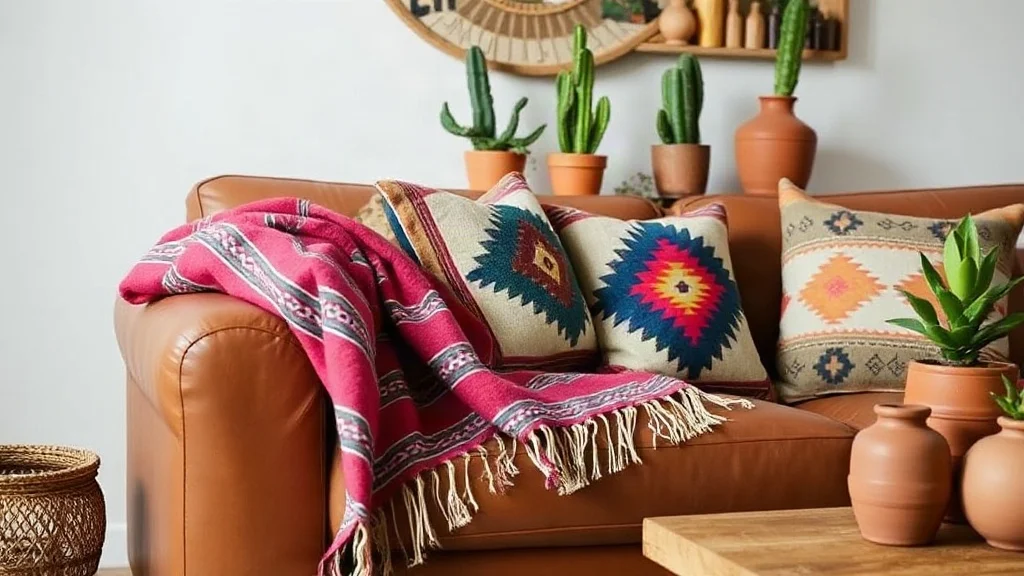
If you want a statement piece, go for a Saltillo or a high-contrast Serape. These are visually dominant and work best when draped over a neutral-colored sofa or hung as a textile art piece on a white wall. Ensure you check the dimensions to make sure the blanket scales correctly with your furniture.
For Outdoor and Adventure
When camping or heading to the beach, durability is key. A recycled blend or San Marcos-style blanket is best here. These materials resist stains better than pure wool and can withstand the friction of sand and grass without pilling or tearing.
For Warmth and Winter Comfort
Nothing beats handmade mexican blankets made from wool. Wool is naturally thermoregulating, meaning it keeps you warm in the winter but breathes enough to prevent sweating. A heavy-gauge wool serape is the ideal choice for a cozy winter reading nook.
Care and Washing Instructions
To preserve the vibrant colors and structural integrity of your blanket, follow these professional care guidelines:
- Avoid High Heat: High temperatures can shrink wool and melt acrylic fibers. Always wash in cold or lukewarm water.
- Gentle Detergents: Use a pH-neutral detergent. Avoid bleach or harsh chemicals that can strip the traditional dyes.
- Air Dry Whenever Possible: To prevent shrinking and maintain the fringe's shape, hang your blanket to dry or lay it flat on a towel. If you must use a dryer, use the "air fluff" or lowest heat setting.
- Storage: Store wool blankets in a breathable cotton bag to protect them from moths while allowing the fibers to breathe. Avoid vacuum-sealing wool for long periods, as it can crush the loft of the fiber.
Frequently Asked Questions
Are Mexican blankets handmade or machine-made?
It is a mix of both. High-end, artisanal pieces—especially those from specific weaving villages—are handmade on looms. However, many of the colorful blankets found in retail stores are machine-made to ensure consistency and affordability. Both can be considered "authentic" in style, but handmade pieces typically have more variation in the weave and a higher price point.
What is the difference between a serape and a Saltillo?
A serape is a general term for a long, striped woven blanket or shawl. A Saltillo is a specific, luxury style of serape that originates from the city of Saltillo. The primary difference is the design: serapes are usually characterized by parallel stripes, while Saltillos feature a complex, centrally located diamond motif and a more sophisticated tapestry weave.
Can I use a Mexican blanket as a yoga mat cover?
Yes, the Falsa blanket is specifically ideal for this. Its open weave allows the grip of the yoga mat to still be somewhat effective while providing a hygienic barrier between your skin and the mat. It is also lightweight, making it easy to carry to and from the studio.
How can I tell if a blanket is made of wool or acrylic?
The "touch test" is the most reliable. Wool feels denser, slightly coarser, and has a natural "spring" to it. Acrylic feels smoother, more plastic-like, and often has a slight sheen. Additionally, wool will feel significantly warmer to the touch immediately, whereas acrylic takes longer to trap body heat.
Ready to Bring Authentic Mexican Craftsmanship Home?
Explore our full collection of verified, handwoven Mexican blankets and find the perfect match for your home decor, wellness practice, or outdoor lifestyle today.
Leave a Reply