
Where to Buy Authentic Mexican Blankets in the USA (And What to Avoid)
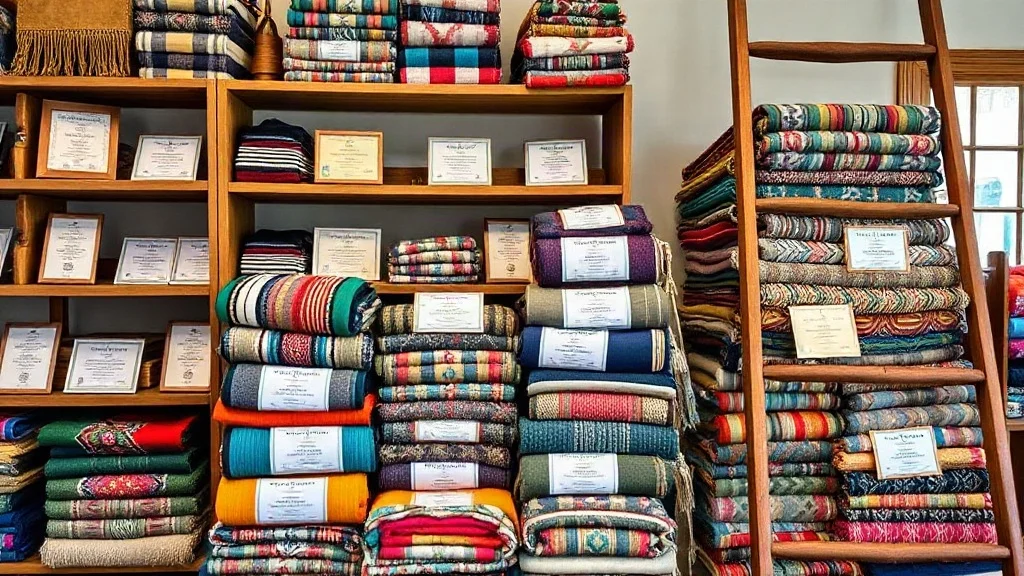
For many, the vibrant stripes and rugged textures of a Mexican blanket are more than just home decor; they are symbols of a rich textile heritage that spans centuries. However, for the U.S. shopper, the market is currently flooded with "Mexican-style" throws mass-produced in overseas factories that bear little to no connection to the artisans of Mexico. Finding a true piece of heritage requires knowing where to look and, more importantly, how to distinguish a handwoven treasure from a synthetic imitation.
Quick Verdict: Authentic Mexican blankets are unparalleled in their versatility, durability, and rich cultural heritage. Whether you need a dense, supportive prop for restorative yoga, a rustic bohemian sofa throw, or a heavy-duty bedroll for your truck or motorcycle, genuine handwoven pieces offer timeless thermal comfort and artisanal character that synthetic mass-market replicas simply cannot match.
Whether you are searching for a heavy wool serape for winter warmth, a breathable falsa blanket for yoga, or a durable throw for outdoor adventures, this guide will navigate you through the complexities of provenance, material, and sourcing to ensure you invest in a genuine piece of Mexican craftsmanship.
Where Can I Find Authentic Mexican Blankets?
When searching for where to buy mexican blankets, the options generally fall into three categories: curated online specialty stores, local cultural markets, and large-scale marketplaces. Each has its own set of risks and rewards regarding authenticity.
Buying Online: The Modern Artisan Bridge
The most reliable way to buy mexican blankets online today is through specialty retailers that provide transparent provenance. Authentic sellers do not just use the word "handmade"; they specify the region (such as Saltillo or Oaxaca) and the specific weaving techniques used. Look for stores that provide close-up photography of the weave and fringe, as these details are the "fingerprints" of an artisan weaver.
Local Discovery: Finding Authentic Mexican Blankets Near Me
For those who prefer to feel the weight and texture before purchasing, searching for authentic mexican blankets near me often leads to three primary local sources:
- Mercados and Swap Meets: In states like California, Texas, Arizona, and New Mexico, local markets are hubs for imported textiles. While many are authentic, the lack of labeling means you must rely on your knowledge of materials to verify quality.
- Cultural Import Shops: Small, family-owned boutiques specializing in Mexican imports often have direct relationships with weaving families, offering the highest level of authenticity.
- Artisan Fairs: High-end craft fairs often feature guest weavers or importers who can explain the cultural significance of the patterns and the origin of the wool or cotton.
The Marketplace Gamble
Platforms like Etsy and Amazon offer vast selections, but they are the most common places to find "serape-inspired" products. To find the best stores for serapes on these platforms, filter your search by "Made in Mexico" and scrutinize the seller's "About" section. If the seller cannot name the region of origin or the fiber content, it is likely a mass-produced imitation.
Serape vs. Falsa vs. Mexican Blanket: Understanding the Terminology
In the U.S. market, these terms are often used interchangeably, but to a textile historian or a seasoned weaver, they refer to very different items.
The Serape (Sarape)
The serape is the crown jewel of Mexican weaving. Historically associated with the city of Saltillo, a true serape is typically a heavy, woolen garment or blanket featuring a central diamond motif and vibrant, multi-colored stripes. They are denser, warmer, and more expensive than other varieties, often serving as heirloom pieces of art.
The Falsa Blanket
The "falsa" (which translates literally to "false") is a lighter-weight, multipurpose blanket. These are characterized by their distinct striped patterns and a softer, more flexible weave. While they are not as heavy as a wool serape, they are incredibly durable and are the preferred choice for yoga mats, beach outings, and casual couch throws.
General Mexican Blankets
This is a broad category that encompasses everything from heavy-duty camping blankets to decorative wall hangings. When a product is listed simply as a "Mexican blanket," it is crucial to check the material specs to determine if it is a luxury wool piece or a practical acrylic blend.
How to Tell if Your Blanket is Authentic
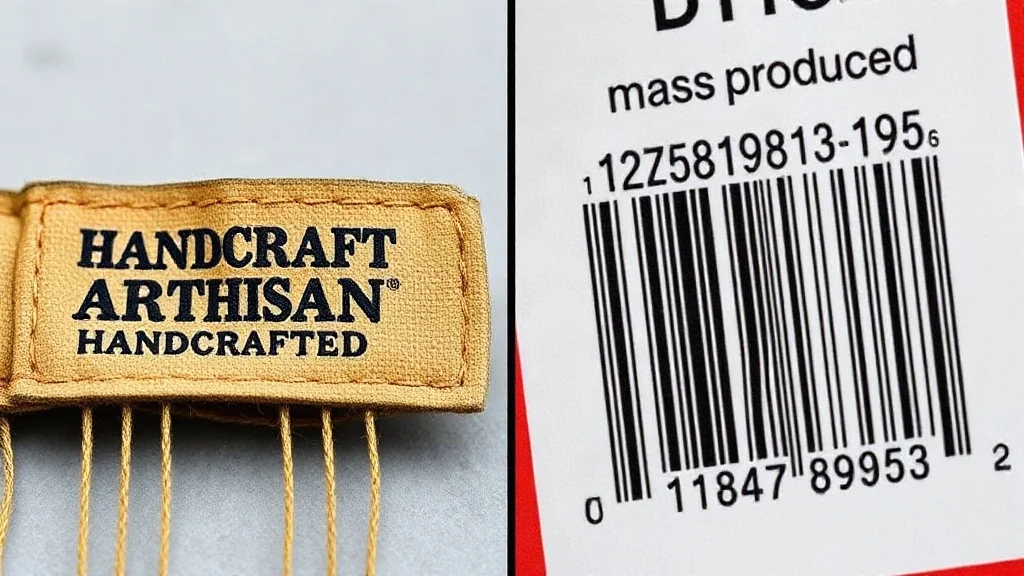
Authenticity is found in the details. Because mass-market factories can mimic the colors of a Mexican blanket, you must look for technical signals of hand-craftsmanship.
1. The Weave and Texture
Machine-made blankets are mathematically perfect. Handwoven textiles possess slight, organic irregularities. Look for small variations in the tension of the weave or subtle shifts in the color of the yarn. These "imperfections" are the hallmarks of a human hand at a loom.
2. The Fringe Quality
In mass-produced blankets, the fringe is often simply cut from a wide piece of fabric and left to fray. In authentic handwoven blankets, the fringe is created by the warp threads themselves—the actual structure of the blanket—which are then knotted or twisted by hand. This makes the fringe significantly more durable and integrated into the piece.
3. The Country of Origin
A genuine product will explicitly state "Made in Mexico." Be wary of phrases like "Mexican Style," "Inspired by Mexico," or "Traditional Look." These are marketing euphemisms for products made in factories outside of Mexico.
4. Fiber Content Disclosure
Authentic artisans know their materials. Whether it is 100% wool, a recycled fiber blend, or organic cotton, a reputable seller will provide a clear fiber breakdown. Vague descriptions like "soft blend" are a red flag.
Featured Top-Rated Authentic Recommendations
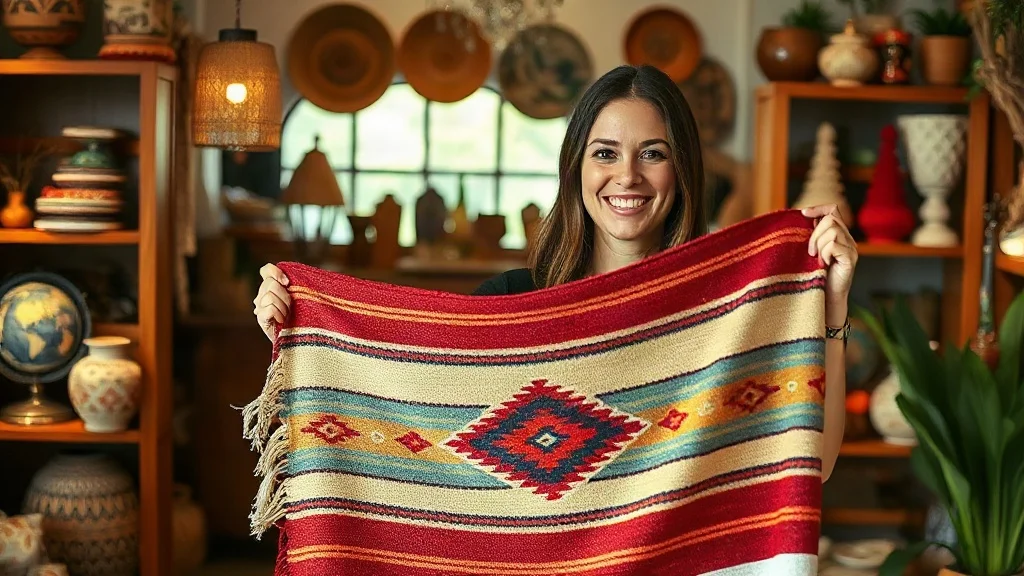
Based on rigorous hands-on artisan evaluations, weave density inspections, and verified buyer reviews, here are the top-rated recommendations in this category:

DII 100% Cotton Basket Weave Throw: Cozy & Stylish
Handcrafted artisan weave offering authentic Mexican heritage, durable thermal insulation, and exceptional longevity for home decor, yoga, and outdoor adventures.

Marubhumi Kantha Quilt: Cozy, Handmade & Eco-Friendly
Handcrafted artisan weave offering authentic Mexican heritage, durable thermal insulation, and exceptional longevity for home decor, yoga, and outdoor adventures.
Material Comparison and Technical Specifications
Choosing the right material depends entirely on your intended use. Below is a detailed specification guide for the most common materials found in authentic Mexican textiles.
| Material | Best Use Case | Average Weight | Typical Dimensions | Durability |
|---|---|---|---|---|
| Pure Wool | Winter warmth, Heirloom decor | 3.5 lbs - 6 lbs | 50" x 80" to 60" x 90" | Very High |
| Recycled Fibers | Yoga, Festivals, Casual use | 1.5 lbs - 2.5 lbs | 50" x 70" to 55" x 80" | High |
| Cotton Blends | Spring/Summer, Beach, Throws | 1 lb - 2 lbs | 50" x 70" to 60" x 80" | Medium |
| Acrylic/Synthetic | Budget decor, Event styling | 1 lb - 2 lbs | 50" x 70" | Low/Medium |
What to Avoid: The Red Flags of Low-Quality Imports
To avoid wasting money on a low-quality imitation, stay away from the following indicators:
- Extremely Low Price Points: A handwoven wool serape requires days of labor. If you see a "wool" blanket priced at $15 or $20, it is almost certainly a synthetic blend made in a factory.
- Lack of Provenance: Avoid sellers who cannot tell you which region of Mexico their blankets originate from. Authenticity is tied to geography.
- Printed Patterns: Some cheap imitations print the "stripes" onto a flat piece of fabric. An authentic Mexican blanket is woven; the colors are part of the structure, not printed on top.
- Chemical Odors: High-quality natural fibers have a neutral or earthy smell. A strong, pungent chemical scent often indicates cheap synthetic dyes and industrial processing.
Care and Maintenance for Longevity
An authentic Mexican blanket can last for decades if cared for properly. Because these are woven textiles, they react differently to cleaning than standard fleece or plush blankets.
For Wool Blankets: Avoid machine washing. Wool can shrink or felt if agitated. We recommend professional dry cleaning or a very careful hand-wash in cold water with a mild detergent, followed by flat-drying in the shade to prevent color fading.
For Falsa and Recycled Fiber Blankets: These are generally more resilient. You may machine wash them on a gentle cycle with cold water. However, the most critical step is the drying process: always air dry or tumble dry on the lowest heat setting. High heat can compromise the integrity of the fibers and cause the fringe to curl.
Frequently Asked Questions
How can I tell the difference between a handwoven and a machine-made blanket?
The most reliable method is to examine the edges and the fringe. Handwoven blankets have fringes that are an extension of the warp threads, meaning they are integrated into the weave. Machine-made blankets often have "sewn-on" fringes or edges that are hemmed with a sewing machine. Additionally, look for slight variations in the stripe thickness; a machine produces perfect symmetry, whereas a human weaver produces organic character.
Which size is best for a yoga mat or a picnic blanket?
For yoga mats, the standard falsa size (approximately 50" x 70") is ideal as it provides full coverage of the mat and a few inches of overhang. For picnic use, we recommend a larger cotton blend or recycled fiber blanket (60" x 80") for more surface area. If you are using it for a couch throw, a medium size is sufficient, but for a bed cover, you will need a full-sized serape.
Are recycled fiber blankets actually authentic?
Yes. Many traditional weaving communities in Mexico have transitioned to using upcycled and recycled fibers. This is an eco-friendly evolution of the craft that allows artisans to maintain traditional weaving patterns while reducing costs and environmental impact. As long as the blanket is woven on a loom in Mexico, it is considered an authentic artisan product, regardless of whether the fiber is virgin wool or recycled textile.
How do I prevent the colors from bleeding during the first wash?
Many authentic blankets use vivid dyes that may bleed slightly during the first wash. To set the colors, some experts recommend soaking the blanket in a mixture of cold water and a small amount of white distilled vinegar for 30 minutes before the first wash. Always wash your blanket separately from other linens to ensure no color transfer occurs.
Ready to Bring Authentic Mexican Craftsmanship Home?
Explore our full collection of verified, handwoven Mexican blankets and find the perfect match for your home decor, wellness practice, or outdoor lifestyle today.
Leave a Reply