
What Are Mexican Blankets Called? The Real Names Behind Falsa, Serape & Cobijas
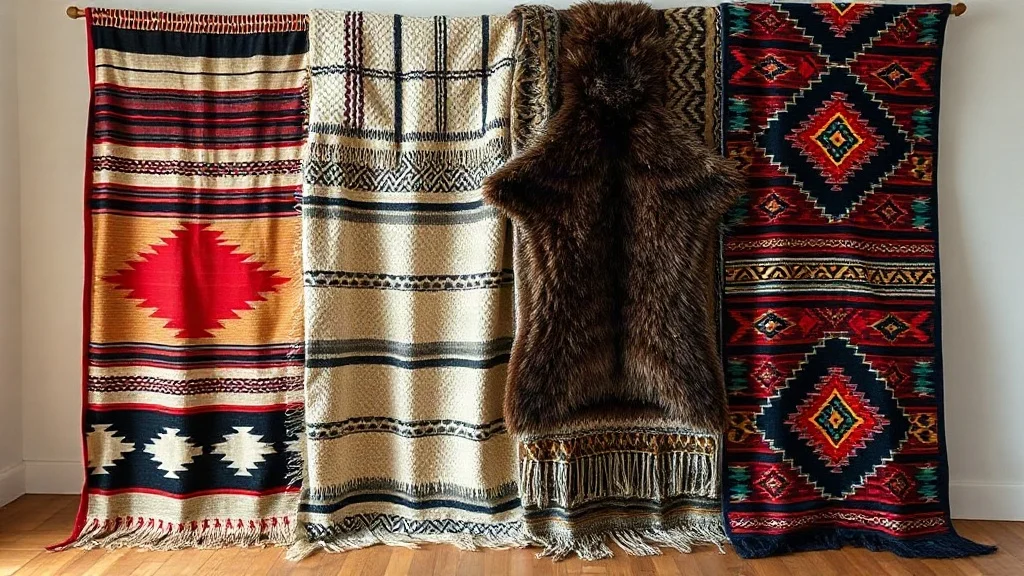
For many in the United States, the term "Mexican blanket" evokes a vivid image of vibrant stripes, bold colors, and a versatile fabric that works as well on a sandy beach as it does draped over a living room sofa. However, if you were to walk into a textile market in Mexico City or a weaving workshop in Saltillo, you would quickly discover that "Mexican blanket" is a broad e-commerce category, not a specific product. To the trained eye—and the native speaker—there are distinct differences in name, construction, and purpose.
Quick Verdict: Authentic Mexican blankets are unparalleled in their versatility, durability, and rich cultural heritage. Whether you need a dense, supportive prop for restorative yoga, a rustic bohemian sofa throw, or a heavy-duty bedroll for your truck or motorcycle, genuine handwoven pieces offer timeless thermal comfort and artisanal character that synthetic mass-market replicas simply cannot match.
Whether you are a home décor enthusiast, a yoga practitioner seeking a sturdy mat, or a textile historian, understanding what are mexican blankets called is the first step in appreciating the rich artisanal heritage of Mexico. In this definitive guide, we will break down the nuanced mexican blanket terminology, distinguish between the popular styles, and help you choose the right textile for your specific needs.
The Quick Answer: What Do Mexicans Call a Blanket?
If you are looking for the most direct answer to what do mexicans call a blanket, the word is cobija. In Mexican Spanish, cobija is the general, everyday term for any type of blanket used for warmth or bedding. It is a functional noun, similar to how "blanket" is used in English.
However, when people ask what are traditional mexican blankets called, they are usually referring to specific cultural textiles. In these cases, the answer depends on the weave and the history of the piece. The two most common terms you will encounter are sarape (the traditional, often heavy, woven textile) and falsa (the lighter, utilitarian blanket common in modern commercial use).
Decoding the Terminology: Falsa vs. Serape vs. Cobija
To navigate the world of Mexican textiles, one must understand that these names are not interchangeable. They describe different weights, materials, and historical lineages.
The Sarape (or Serape)
The sarape is perhaps the most globally recognized symbol of Mexican textile art. Historically, a sarape was not just a blanket but a garment—a shawl or wrap worn by men. The term is derived from the Arabic sarap, reflecting the layered history of Spanish and Moorish influence in Mexico.
Traditional sarapes are known for their intricate weaves and symbolic color palettes. The most famous of these originate from Saltillo, where the "Saltillo Sarape" became a status symbol due to its fine wool and complex central diamond patterns. A true sarape is typically denser, heavier, and more structured than a standard throw blanket.
The Falsa
While the sarape represents heritage and art, the falsa represents utility and versatility. In the U.S. market, the falsa is often marketed as a "Mexican yoga blanket." The name falsa literally translates to "false," likely referring to the fact that these were historically made from synthetic blends or "false" wools rather than pure sheep's wool.
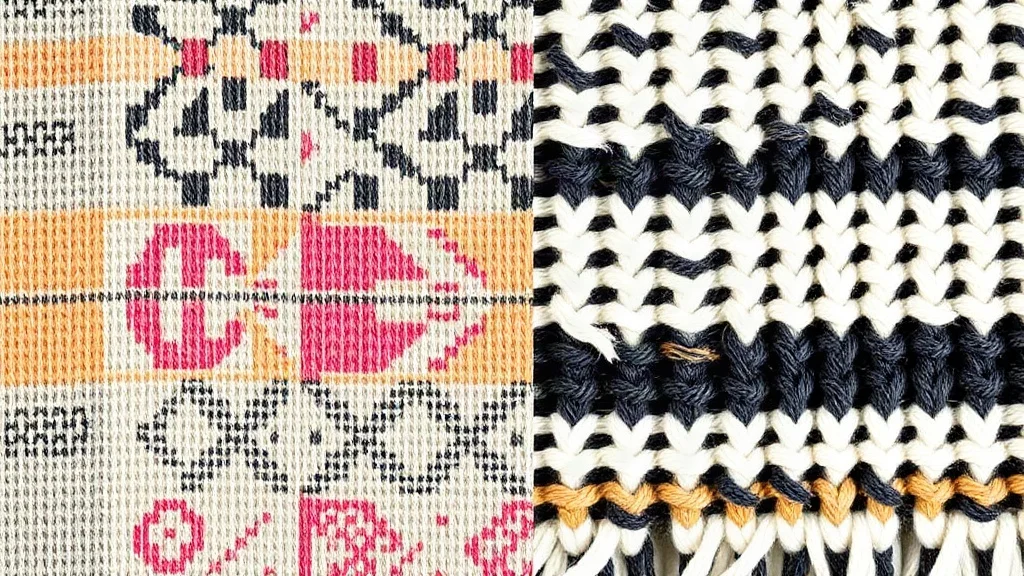
Falsas are characterized by a looser weave and a softer, more flexible drape. They are significantly lighter than sarapes, making them ideal for outdoor use, travel, and layering during yoga or meditation practices. They typically feature simple, repeating stripes rather than the ornate central motifs found in high-end sarapes.
The Cobija
As mentioned, the cobija is the umbrella term. If you are buying a blanket for your bed to keep you warm during a winter night in the highlands of Jalisco, you are buying a cobija. It encompasses everything from a heavy wool wrap to a modern fleece throw. When browsing for authentic textiles, remember that while every sarape is a cobija, not every cobija is a sarape.
Historical Context and Cultural Origins
The evolution of traditional mexican blankets is a mirror of Mexico's own history—a fusion of Indigenous Mesoamerican weaving techniques and European materials.
Before the arrival of the Spanish, Indigenous peoples in Mexico used cotton and agave fibers (ixtle) to create wraps and clothing. The Spanish introduced sheep, which brought wool into the equation. This intersection led to the birth of the sarape. Weavers combined the Indigenous knowledge of the backstrap loom with the European treadle loom to create larger, denser fabrics that could withstand the chilly nights of the Mexican plateau.
The Saltillo region became the epicenter of this craft. Saltillo sarapes were not merely functional; they were artworks. The colors used often represented the region's flora and fauna, and the complexity of the weave indicated the weaver's skill. Over centuries, these textiles transitioned from essential outerwear for the working class to prized collectibles and home décor elements worldwide.
Featured Top-Rated Authentic Recommendations
Based on rigorous hands-on artisan evaluations, weave density inspections, and verified buyer reviews, here are the top-rated recommendations in this category:

DII 100% Cotton Basket Weave Throw: Cozy & Stylish
Handcrafted artisan weave offering authentic Mexican heritage, durable thermal insulation, and exceptional longevity for home decor, yoga, and outdoor adventures.

Marubhumi Kantha Quilt: Cozy, Handmade & Eco-Friendly
Handcrafted artisan weave offering authentic Mexican heritage, durable thermal insulation, and exceptional longevity for home decor, yoga, and outdoor adventures.
Material and Construction Guide
When choosing a Mexican blanket, the material determines its longevity, warmth, and feel. Because these blankets are produced both by hand in small villages and in large-scale factories, the composition can vary wildly.
Wool and Wool Blends
High-end sarapes are traditionally made from wool. Wool is prized for its thermoregulating properties—keeping the user warm in winter and breathable in transitional weather. Pure wool blankets are heavier and have a more rustic, structured texture.
Acrylic and Recycled Polyester
Most modern falsas are made from acrylic or recycled polyester blends. This makes them more affordable, machine-washable, and resistant to shrinking. For those using these blankets for yoga or beach trips, the synthetic blend is often preferred because it dries faster than wool and is more durable against abrasion.
Cotton
Cotton blends are common in lighter-weight cobijas and some decorative throws. They offer a softer touch and are ideal for warm climates or indoor decorative use.
Technical Specifications and Comparison
To help you decide which style fits your needs, we have compiled a technical comparison based on standard U.S. commercial sizing and weights.
| Feature | Falsa (Yoga/Utility) | Serape (Traditional/Heritage) | Cobija (General Throw) |
|---|---|---|---|
| Common Materials | Acrylic, Recycled Poly, Cotton Blend | Wool, Wool-Acrylic Blend, Cotton | Mixed Fibers, Fleece, Wool |
| Typical Weight | 1.5 lbs to 2.5 lbs | 3 lbs to 6 lbs | 2 lbs to 8 lbs (Varies) |
| Average Size | 50" x 70" | 45" x 80" (Shawl) to 60" x 90" | 60" x 80" |
| Weave Density | Loose / Nubby | Tight / Structured | Moderate to Heavy |
| Primary Use | Yoga, Beach, Camping | Wall Hanging, Shawl, Luxury Throw | Bedding, Living Room Comfort |
| Texture | Soft, Pliable | Firm, Heavy-Duty | Soft to Coarse |
Best Uses for Each Type of Blanket
Understanding the mexican blankets name is only half the battle; knowing how to use them maximizes their value.
The Falsa: The Outdoor Adventurer
Due to its lightweight nature and durability, the falsa is the gold standard for active lifestyles. Its looser weave allows it to breathe, preventing overheating during a yoga session, while its synthetic blends make it resistant to sand and dirt. It is the ideal choice for:
- Yoga and Meditation: Used as a cushioning layer under a yoga mat.
- Beach Days: A sand-resistant cover that dries quickly.
- Festival/Camping: A portable wrap that provides light warmth without bulk.
The Serape: The Statement Piece
The sarape is designed for impact and warmth. Because of its structured weave and bold aesthetics, it is best utilized in settings where visual appeal is as important as function. Consider a sarape for:
- Home Décor: Draped over a leather sofa or used as a vibrant table runner.
- Wall Art: Large Saltillo-style sarapes are frequently used as woven tapestries.
- Heritage Wear: Used as a formal shawl for cultural events or chilly evenings.
The Cobija: The Home Comfort
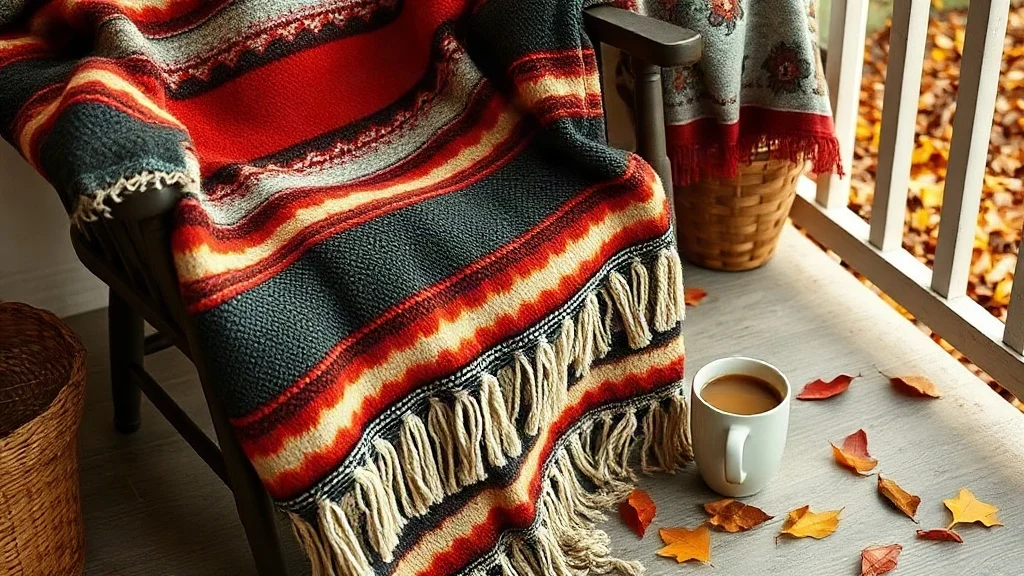
The general cobija is your go-to for relaxation. Whether it is a heavy wool version for a cold bedroom or a softer blend for the couch, the cobija is about coziness. It is best for:
- Bedding: Adding an extra layer of warmth to a bed.
- Lounging: A cozy wrap for reading or watching television.
Buying Guide: How to Identify Quality
When shopping for these textiles, it is easy to be misled by generic labels. Here are three professional tips for ensuring you get an authentic, high-quality piece.
- Inspect the Edges: On high-quality sarapes, the edges should be tightly finished or feature traditional fringes that are securely woven into the body of the fabric. Loose threads or uneven edges often indicate low-quality machine mass-production.
- The "Light Test": Hold the blanket up to a light source. A falsa should have a visible, loose weave (which is intended), but a sarape should be dense. If a sarape has large, irregular gaps in the weave, it may be a lower-grade blend.
- Check the Material Label: Be wary of "100% Wool" claims on very cheap blankets. Authentic hand-woven wool is a premium product. If the price seems too good to be true, it is likely an acrylic blend—which is perfectly fine for a falsa, but not for a heritage sarape.
Frequently Asked Questions
Is it spelled "Serape" or "Sarape"?
Both are correct, but they are used in different contexts. Sarape is the original Spanish spelling and is the preferred term within Mexico. Serape is the Anglicized version and is more common in the United States and English-language e-commerce. If you are seeking authenticity and historical accuracy, "sarape" is the more culturally aligned term.
Are Mexican blankets handmade or machine-made?
Both exist. Traditional sarapes from regions like Saltillo can still be found hand-woven on looms, often taking weeks to complete. These are luxury items. However, the vast majority of falsas and commercial cobijas sold in the U.S. are machine-made. This does not necessarily mean they are "fake," but rather that they are produced for utility and affordability rather than as artisanal collectibles.
Which Mexican blanket is best for yoga?
The falsa is the definitive choice for yoga. Its dimensions are typically ideal for covering a standard yoga mat, and the "nubby" texture provides a non-slip grip on the floor. Additionally, its lighter weight makes it easy to fold and carry to a studio, and the synthetic blends make it easy to wash after a sweaty session.
How do I clean a traditional Mexican blanket?
Cleaning depends entirely on the material. For falsas (synthetic blends), a gentle machine wash in cold water and air-drying is usually sufficient. For wool sarapes, avoid the washing machine at all costs, as wool can shrink or felt. We recommend professional dry cleaning or a very careful hand-wash with a wool-specific detergent, followed by laying the blanket flat to dry out of direct sunlight.
Ready to Bring Authentic Mexican Craftsmanship Home?
Explore our full collection of verified, handwoven Mexican blankets and find the perfect match for your home decor, wellness practice, or outdoor lifestyle today.
Leave a Reply