
How to Fix Tangled or Frayed Tassels on Mexican Blankets
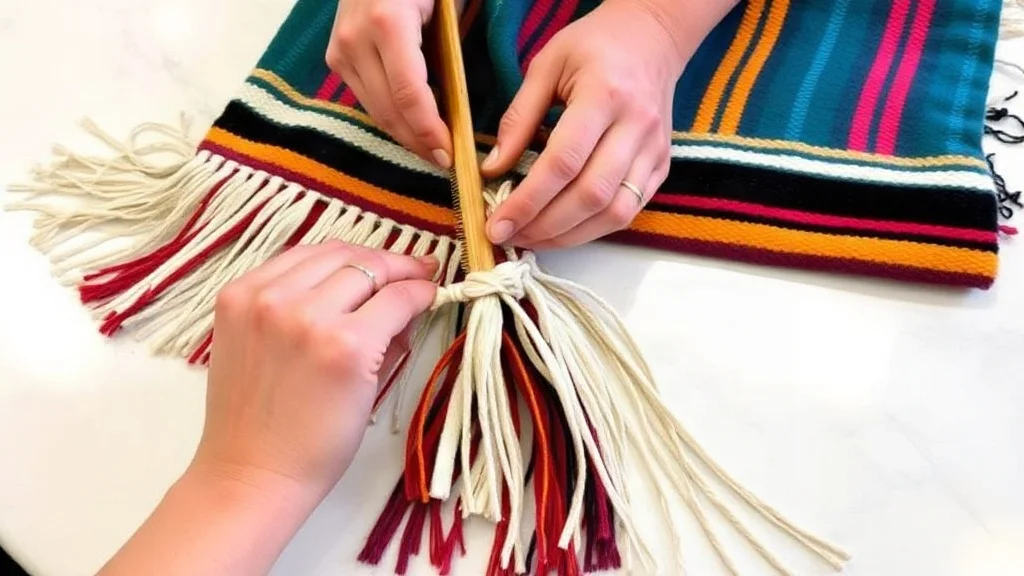
A Mexican blanket, whether it is a traditional handwoven serape or a modern acrylic blend, is more than just a piece of home textile; it is a statement of culture, warmth, and durability. However, the very element that gives these blankets their iconic silhouette—the fringe—is often the most vulnerable part of the garment. Over time, through repeated use, washing, or the accidental snag of a pet's claw, the tassels can become tangled, frayed, or start to unravel from the main weave.
Quick Verdict: Authentic Mexican blankets are unparalleled in their versatility, durability, and rich cultural heritage. Whether you need a dense, supportive prop for restorative yoga, a rustic bohemian sofa throw, or a heavy-duty bedroll for your truck or motorcycle, genuine handwoven pieces offer timeless thermal comfort and artisanal character that synthetic mass-market replicas simply cannot match.
When you notice a loose thread, the instinct is often to pull it. However, in the world of woven textiles, pulling a loose thread is the fastest way to turn a minor fray into a structural failure. To preserve the integrity and aesthetic of your textile, a strategic approach to mexican blanket fringes repair is essential.
Understanding the Anatomy of the Fringe
Before diving into the repair process, it is important to understand how these blankets are constructed. In traditional weaving, the fringe is not "sewn on" as an afterthought; rather, it consists of the warp threads—the longitudinal threads that run the length of the loom. Once the weaving is complete, these threads are left extending from the edges to prevent the fabric from unraveling.
Because the fringe is structural, any damage to the base of the tassel can potentially compromise the entire edge of the blanket. Depending on the material—cotton, wool, or acrylic—the method of repair will vary slightly. Cotton is more pliable and easier to tie, while acrylics are more prone to slipping and may require a stitch for permanent stabilization.
When to Repair vs. When to Trim
Not every loose thread requires a needle and thread. Determining the correct course of action is the first step in professional maintenance.
When to Trim
- Isolated Strands: If a single thread has completely detached from the weave and is simply dangling, it can be trimmed.
- Split Ends: When the very tip of a tassel has split into smaller, fuzzy fibers, a clean snip with fabric scissors restores the look.
- Uneven Lengths: If a few tassels have stretched longer than the rest, a light trim can equalize the edge.
When to Repair
- The "Run" Effect: If you notice a gap opening up in the weave where the fringe meets the blanket body, you must stop the unraveling immediately.
- Tangled Knots: When tassels have matted together into a hard clump, they require manual untangling or "retieing."
- Thinning Edges: If a section of the fringe looks sparse, it usually indicates that the structural threads have snapped and need reinforcement.
Step-by-Step Guide to Mexican Blanket Fringes Repair
Depending on the severity of the damage, choose one of the following three methods to restore your blanket.
Option 1: Stopping a Small Frayed Area
This method is for localized fraying where the weave is starting to loosen but has not yet developed a hole.
- Lay the Blanket Flat: Place the blanket on a hard, clean surface. Ensure the fabric is not stretched or bunched.
- The Golden Rule: Do not pull the loose threads. Pulling tightens the surrounding weave and can cause a "ladder" effect, pulling threads from the center of the blanket.
- Trim the Excess: Use small, sharp fabric scissors to trim only the threads that are clearly detached.
- Thread the Needle: Use a strong polyester or cotton-wrapped polyester thread that matches the color of the fringe. Use a hand-sewing needle or a thin upholstery needle for thicker weaves.
- Secure the Base: Insert the needle into the weave approximately 1/4 inch away from the edge. Use small, tight stitches to create a "barrier" across the top of the frayed area.
- Tie Off: Knot the thread on the underside or within the thickness of the weave to hide the repair.
Option 2: How to Retie Tangled Blanket Fringe
Tangles often happen after machine washing or when a blanket is draped over furniture where the ends can twist.
- Manual Separation: Using your fingers, gently tease the tangled tassels apart. Start from the outermost edge of the tangle and work your way inward.
- Avoid Brushes: Do not use a standard hairbrush, as the bristles can snag the woven fibers and cause further fraying. If necessary, use a wide-tooth comb very sparingly.
- Realigning Tassels: Once separated, group the threads back into their original bundles.
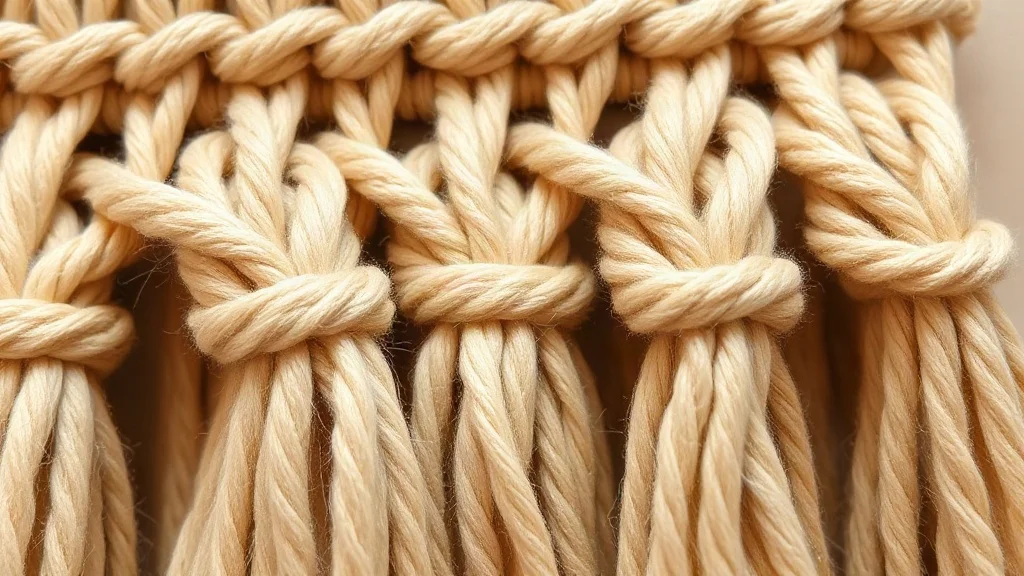
- Reinforcing: If the original knot at the base of the tassel has come undone, you can carefully retie a small, discreet knot. Be careful not to over-tighten, as this can pucker the edge of the blanket and create an uneven line.
Option 3: Stabilizing a Severely Unraveling Edge
If the damage is extensive—such as a corner that has begun to open—you need a structural fix to prevent tassel unraveling from spreading.
- Assess the Damage: Determine if the damage is limited to the decorative fringe or if the actual body of the blanket is opening.
- Machine Stitching: If you have access to a sewing machine, a zigzag stitch is the most effective way to lock the edge. Sew a line approximately 1/4 inch from the edge, moving slowly to avoid bunching the fabric.
- Hand Stitching: For a more authentic, invisible look, use a whipstitch or overcast stitch. Loop the thread over the edge of the fabric and through the weave in a consistent, repeating pattern.
- Binding (Last Resort): If the fringe is completely gone and the edge is fraying, you may apply a fabric binding tape. This is less traditional but ensures the blanket remains usable.
Featured Top-Rated Authentic Recommendations
Based on rigorous hands-on artisan evaluations, weave density inspections, and verified buyer reviews, here are the top-rated recommendations in this category:

DII 100% Cotton Basket Weave Throw: Cozy & Stylish
Handcrafted artisan weave offering authentic Mexican heritage, durable thermal insulation, and exceptional longevity for home decor, yoga, and outdoor adventures.

Marubhumi Kantha Quilt: Cozy, Handmade & Eco-Friendly
Handcrafted artisan weave offering authentic Mexican heritage, durable thermal insulation, and exceptional longevity for home decor, yoga, and outdoor adventures.
Material Specifications for Repair
Choosing the right tools is the difference between a professional repair and a "patched" look. The following table outlines recommended materials and specifications based on the blanket composition, with dimensions and weights given in standard US units.
| Blanket Material | Typical Size | Approximate Weight | Recommended Thread | Needle Size (US) | Best Stitch Type | Repair Spacing | Durability Rating |
|---|---|---|---|---|---|---|---|
| 100% Cotton | 51 in x 82 in | 2 lbs 8 oz to 3 lbs 8 oz | Cotton-wrapped Polyester, Size 40 | Size 7 to 9 Sharps | Whipstitch | 1/4 inch | Medium |
| Acrylic / Blend | 50 in x 70 in | 1 lb 8 oz to 2 lbs 8 oz | Strong Polyester, Size 30 | Size 10 to 12 Ballpoint | Zigzag (Machine) | 1/8 inch | High |
| Wool Blend | 60 in x 84 in | 4 lbs to 6 lbs | Heavy Duty Wool Thread, Size 20 | Size 14 to 18 Upholstery | Overcast Stitch | 1/4 inch | Very High |
Mexican Blanket Maintenance: Prevention Tips
The best way to fix frayed tassels blanket issues is to ensure they never happen. Maintenance is about reducing the stress placed on the warp threads.
Washing and Drying
- Temperature Control: Always wash in cool to lukewarm water. High heat can shrink cotton fibers or melt synthetic blends, causing the fringe to curl or tighten.
- Cycle Selection: Use the "gentle" or "delicate" cycle. Aggressive agitation in a top-load washer with a center agitator is the primary cause of tangled tassels.
- Avoid Wringing: Never twist or wring the blanket to remove water. This puts immense torque on the fringe and can snap the threads. Instead, press the blanket between two towels to absorb moisture.
- Flat Drying: Dry the blanket flat on a drying rack. Hanging a wet blanket by its edges can stretch the weave and loosen the fringe.
Daily Care
- Vacuum Safety: Be extremely cautious when vacuuming areas where a blanket is laid. Suction can easily pull a tassel into the brush roll, causing an instant and severe unraveling.
- Furniture Placement: Avoid draping the blanket over sharp corners or rough wooden surfaces that can snag the threads.
- Storage: Store your blankets folded loosely. Compressing them in vacuum-seal bags for long periods can flatten the fibers and make the fringe more prone to splitting.
Preserving the Cultural Value of Your Textile
It is important to remember that many Mexican blankets, especially those labeled as serapes, are heritage items. In the tradition of textile arts, "visible mending" is often more respected than trying to hide a repair perfectly. Using a slightly contrasting thread to secure a frayed edge can be seen as a mark of a well-loved, cared-for object.
Avoid the use of fabric glues or adhesives. While these may seem like a quick fix for a loose tassel, glues stiffen the fibers, making them brittle and more likely to snap. They also leave permanent stains on the fabric that cannot be removed without damaging the dye.
Frequently Asked Questions
Should I cut loose threads or pull them?
You should never pull loose threads. Pulling a thread that is still attached to the weave can create a "run" across the entire width of the blanket, effectively undoing hours of weaving. If a thread is completely detached and dangling, it is safe to trim it with sharp fabric scissors.
Can I sew the fringe to stop unraveling?
Yes, sewing is the most effective way to stop unraveling. For the best results, stitch approximately 1/4 inch away from the edge of the blanket. This creates a structural anchor that prevents the warp threads from slipping further out of the weave. A whipstitch or a machine zigzag stitch is recommended.
Will washing my blanket make the fringe worse?
Washing can exacerbate fringe issues if not done correctly. High agitation and high heat are the primary enemies of tassels. To prevent damage, use a delicate cycle, avoid the dryer, and never wring the fabric. Using a mesh laundry bag for smaller blankets can also protect the fringe from snagging on the machine.
What thread is best for blanket fringe repair?
For most Mexican blankets, a cotton-wrapped polyester thread is ideal. It provides the strength and durability of polyester—which prevents the repair from snapping—while offering the matte look and feel of cotton, allowing it to blend seamlessly with the original textile.
Ready to Bring Authentic Mexican Craftsmanship Home?
Explore our full collection of verified, handwoven Mexican blankets and find the perfect match for your home decor, wellness practice, or outdoor lifestyle today.
Leave a Reply