
Why Mexican Blankets Are the Ultimate Beach & Picnic Blanket
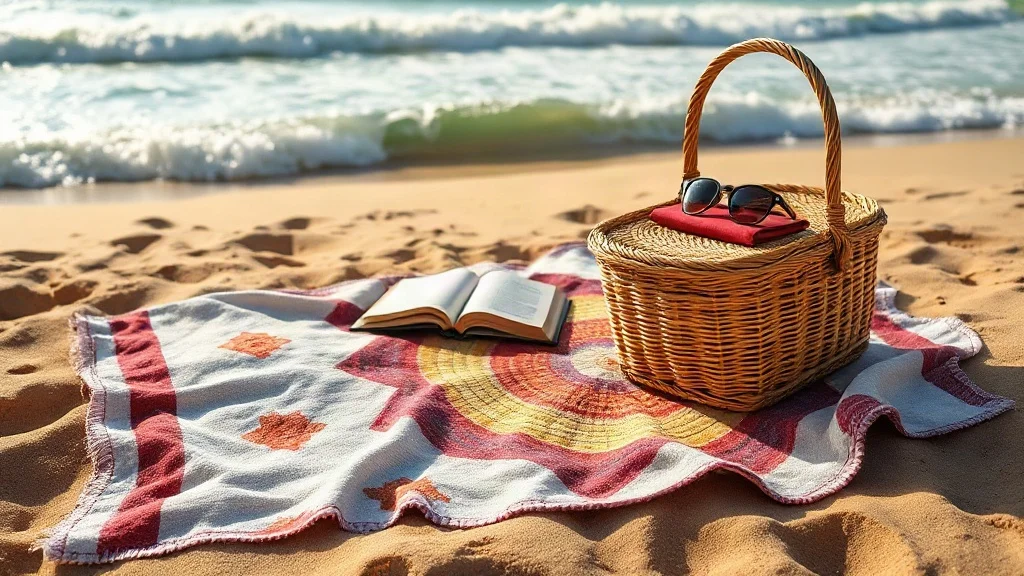
When preparing for a day under the sun, the choice of gear can make or break the experience. From the struggle of shaking stubborn sand out of a plush towel to the frustration of a lightweight sheet billowing in the ocean breeze, the search for the perfect outdoor textile is surprisingly complex. Enter the Mexican blanket—a vibrant, woven staple that has transitioned from a cultural icon to a modern outdoor essential.
Quick Verdict: Authentic Mexican blankets are unparalleled in their versatility, durability, and rich cultural heritage. Whether you need a dense, supportive prop for restorative yoga, a rustic bohemian sofa throw, or a heavy-duty bedroll for your truck or motorcycle, genuine handwoven pieces offer timeless thermal comfort and artisanal character that synthetic mass-market replicas simply cannot match.
If you are wondering, are mexican blankets good for the beach, the short answer is a resounding yes. But the reason goes beyond mere aesthetics. The secret lies in the intersection of traditional weaving techniques, material durability, and a lightweight construction that makes them superior to standard towels or heavy quilts for outdoor leisure.
What Exactly is a Mexican Blanket?
To understand why these textiles perform so well outdoors, we must first define what they are. While commonly referred to as "Mexican blankets" in the United States, many of these pieces are inspired by the serape (or sarape). Traditionally, a serape is a long, colorful blanket woven with longitudinal stripes and a characteristic center medallion, historically worn as a shawl or wrap.
Modern iterations designed for outdoor use typically utilize a tighter, flatter weave than a plush throw. This woven construction is the key to their versatility. Unlike a terry-cloth towel that absorbs water and traps sand in its loops, a woven Mexican blanket provides a smooth surface that resists debris and dries significantly faster.
The Performance Edge: Why They Excel at the Beach and Picnic
When analyzing mexican blankets for beach use, several technical advantages emerge that make them a strategic choice for any adventurer.
Sand Management and Ease of Cleaning
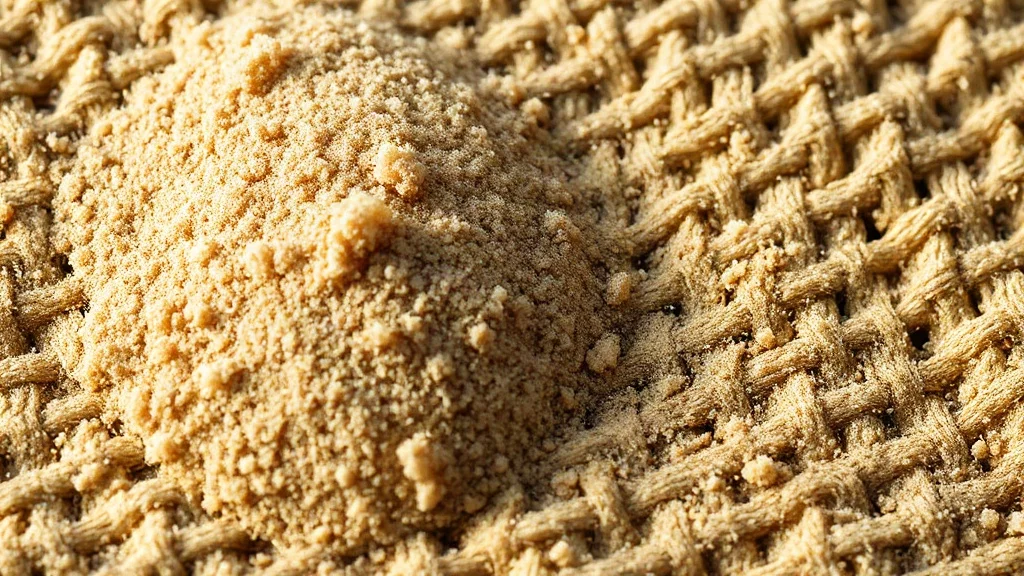
One of the biggest pain points of a beach day is the "sand carry-over"—the inevitable trail of grit that follows you from the shore to the car. Because these blankets feature a flat-weave construction, sand does not get trapped deep within the fibers. A simple, vigorous shake is usually enough to clear the surface, making them a fantastic, near sand free beach blanket alternative to high-pile fabrics.
Portability and Packability
Space is a premium when packing coolers, umbrellas, and bags. A woven Mexican blanket can be folded into a tight, compact rectangle without losing its shape or becoming bulky. Their lightweight nature ensures that you aren't hauling unnecessary weight across the dunes, yet they provide enough surface area to accommodate two adults and a spread of snacks.
Wind Resistance and Weight
Anyone who has used a thin polyester sheet at the beach knows the frustration of the "flying blanket." While Mexican blankets are lightweight for carrying, the density of the weave provides enough heft to stay grounded. Depending on the material—especially those with a higher cotton or wool content—they act as a heavy picnic blanket that resists the wind better than synthetic alternatives.
Visual Identity and Social Appeal
Beyond the utility, there is the "boho" aesthetic. The bold, saturated stripes and cultural patterns make these blankets visually distinctive. In a sea of white towels, a Mexican blanket serves as a colorful landmark for your group and photographs beautifully, aligning perfectly with the modern outdoor lifestyle.
Comparing Materials: Which One Should You Choose?
Not all outdoor blankets are created equal. Depending on whether you need something for a brisk autumn picnic or a scorching July beach day, the material choice is critical.
| Material | Best Use Case | Breathability | Wind Resistance | Average Weight | Dry Time |
|---|---|---|---|---|---|
| 100% Cotton | High-heat beach days | Excellent | Moderate | 1.5 - 2.5 lbs | Fast |
| Recycled Cotton | Eco-conscious outings | High | Moderate | 1.8 - 2.8 lbs | Moderate |
| Acrylic Blend | Budget-friendly/Casual | Moderate | Low to Moderate | 1.2 - 2.0 lbs | Very Fast |
| Wool Blend | Camping & Cold weather | Low | High | 3.0 - 5.0 lbs | Slow |
Technical Specifications for the Modern Buyer
For those looking for a standard-sized outdoor mexican blanket, here are the typical measurements to look for to ensure maximum comfort:
- Standard Single: Approx. 50 x 70 inches (Ideal for one person or a yoga mat cover).
- Family/Picnic Size: Approx. 60 x 80 inches (Ideal for couples or small families).
- Average Thickness: 0.1 to 0.2 inches (Flat weave).
Featured Top-Rated Authentic Recommendations
Based on rigorous hands-on artisan evaluations, weave density inspections, and verified buyer reviews, here are the top-rated recommendations in this category:

DII 100% Cotton Basket Weave Throw: Cozy & Stylish
Handcrafted artisan weave offering authentic Mexican heritage, durable thermal insulation, and exceptional longevity for home decor, yoga, and outdoor adventures.

Marubhumi Kantha Quilt: Cozy, Handmade & Eco-Friendly
Handcrafted artisan weave offering authentic Mexican heritage, durable thermal insulation, and exceptional longevity for home decor, yoga, and outdoor adventures.
A Journey Through Time: The Cultural Heritage of the Weave
To appreciate a Mexican blanket is to appreciate a history of textile evolution. These blankets are not merely commercial products; they are descendants of a sophisticated weaving tradition that spans centuries.
The roots of Mexican textiles lie with the indigenous peoples of the region, most notably the Maya and Aztecs. Long before the arrival of Europeans, these cultures utilized backstrap looms to create intricate garments from agave fibers and cotton, often dyed with natural pigments like cochineal (a red dye derived from insects).
The introduction of the Spanish pedal loom during the colonial period revolutionized production. This allowed for larger widths of fabric and the creation of the classic striped patterns we recognize today. The serape evolved as a multifunctional garment—a cloak for warmth in the highlands and a symbol of regional identity.
In the 20th century, these textiles entered the global consciousness through tourism and, later, the surf and skate cultures of the 1960s and 70s. The durability and vibrant colors appealed to the free-spirited nature of outdoor enthusiasts, cementing the blanket's status as the go-to accessory for beach-goers worldwide.
Beyond the Beach: Versatility in Every Thread
While we have established that they are ideal for the shore, the utility of these blankets extends far beyond the sand. Their rugged construction makes them a "Swiss Army Knife" of home textiles.
The Camping Companion
In a camping environment, you need gear that can handle dirt and dampness. A Mexican blanket serves as an excellent extra layer for sleeping bags or a durable ground cover for a tent vestibule. Because they are breathable, they provide warmth without the suffocating feel of synthetic sleeping pads.
The Yoga and Wellness Layer
Many practitioners use these blankets as a base layer over their yoga mats. The woven texture provides a grip that prevents the mat from sliding on hardwood floors, while the weight of the blanket helps keep the mat anchored.
Interior Design and Home Decor
When the vacation ends, the blanket transitions seamlessly into the home. Draped over a neutral-colored sofa or used as a vibrant table runner, they add a "global chic" or "bohemian" touch to any room. Their durability means they can withstand the wear and tear of pets and children, making them as practical as they are beautiful.
Care and Maintenance for Long-Term Use
To ensure your blanket lasts for many seasons, follow these professional care guidelines:
- Post-Beach Ritual: Always shake the blanket thoroughly before bringing it indoors. If it has been exposed to saltwater, rinse it with cool, fresh water to prevent salt crystals from stiffening the fibers.
- Washing: For cotton or acrylic blends, machine wash on a gentle cycle with cold water. Avoid bleach, as it can strip the vibrant dyes.
- Drying: Air drying is highly recommended. Hang the blanket in a shaded area to prevent the sun from fading the colors. If using a dryer, use the lowest heat setting to prevent shrinkage.
- Storage: Fold the blanket neatly and store it in a cool, dry place. Avoid compressing it under heavy objects for long periods to maintain the integrity of the weave.
Frequently Asked Questions
Are Mexican blankets actually sand-free?
No blanket is literally "sand-free" in the sense that sand cannot touch it. However, because Mexican blankets are woven rather than looped (like a towel), sand sits on the surface rather than getting embedded. This makes them significantly easier to clean with a quick shake, which is why they are often marketed as a sand-friendly alternative.
Do they blow away easily in the wind?
Compared to a beach sheet or a thin nylon blanket, Mexican blankets are much more stable. Their woven density gives them a natural weight that helps them stay put. For exceptionally windy days, we recommend using the corners of the blanket to anchor your cooler or beach bag, which will lock it firmly to the ground.
What is the best material for a picnic blanket?
For picnics, we recommend a cotton or wool blend. Cotton is breathable and comfortable for summer, while wool blends provide the insulation necessary for damp grass or cooler autumn temperatures. Avoid thin acrylics if you are sitting on moist ground, as they offer less of a thermal barrier than natural fibers.
How can I tell if a Mexican blanket is authentic?
Authentic-style blankets are characterized by a woven construction—meaning the pattern is created by interlacing threads, not printed on top of the fabric. Look for a substantial weight and a tactile texture. While many modern blankets are machine-made for affordability, those that maintain the traditional striped serape aesthetic and a heavy-duty weave are the best for outdoor performance.
Ready to Bring Authentic Mexican Craftsmanship Home?
Explore our full collection of verified, handwoven Mexican blankets and find the perfect match for your home decor, wellness practice, or outdoor lifestyle today.
Leave a Reply