
Using Mexican Blankets as Classic Truck & Car Seat Covers
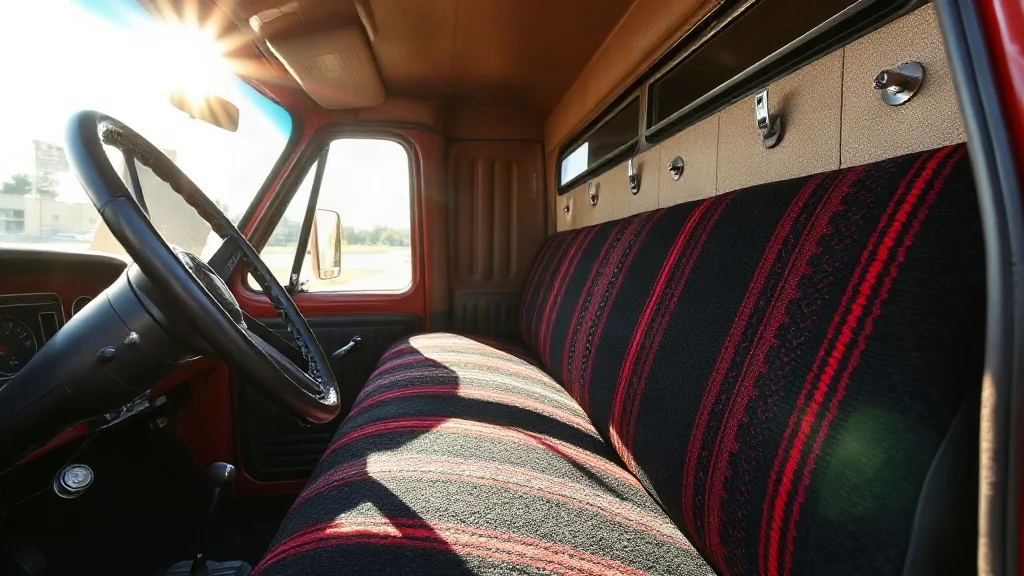
For the automotive enthusiast, the interior of a vehicle is more than just a place to sit; it is a reflection of a lifestyle, an era, and a personal aesthetic. Among the most enduring trends in classic car and truck restoration is the integration of vibrant, woven textiles. Specifically, using mexican blankets for car seats has evolved from a budget-friendly necessity into a deliberate design choice that blends rugged durability with cultural heritage.
Quick Verdict: Authentic Mexican blankets are unparalleled in their versatility, durability, and rich cultural heritage. Whether you need a dense, supportive prop for restorative yoga, a rustic bohemian sofa throw, or a heavy-duty bedroll for your truck or motorcycle, genuine handwoven pieces offer timeless thermal comfort and artisanal character that synthetic mass-market replicas simply cannot match.
Whether you are restoring a 1960s Chevy C10, customizing a vintage Bronco, or simply looking to protect the upholstery of a daily driver with a touch of Southwestern flair, understanding the intersection of textile quality and automotive application is key. This guide explores everything from the historical significance of the serape to the technical nuances of a professional-grade installation.
The Allure of the Mexican Blanket Interior
The appeal of mexican blankets for cars lies in their unique ability to bridge the gap between utility and art. Unlike synthetic, one-size-fits-all seat covers found in big-box stores, woven blankets offer a tactile depth and a visual warmth that complements the steel and chrome of vintage vehicles.
From a practical standpoint, these textiles are prized for their breathability. In the height of summer, synthetic polyester covers can create a "greenhouse effect," trapping heat against the driver's back. Authentic woven blankets allow for significantly better airflow, making them a preferred choice for open-top roadsters and trucks used in warm climates.
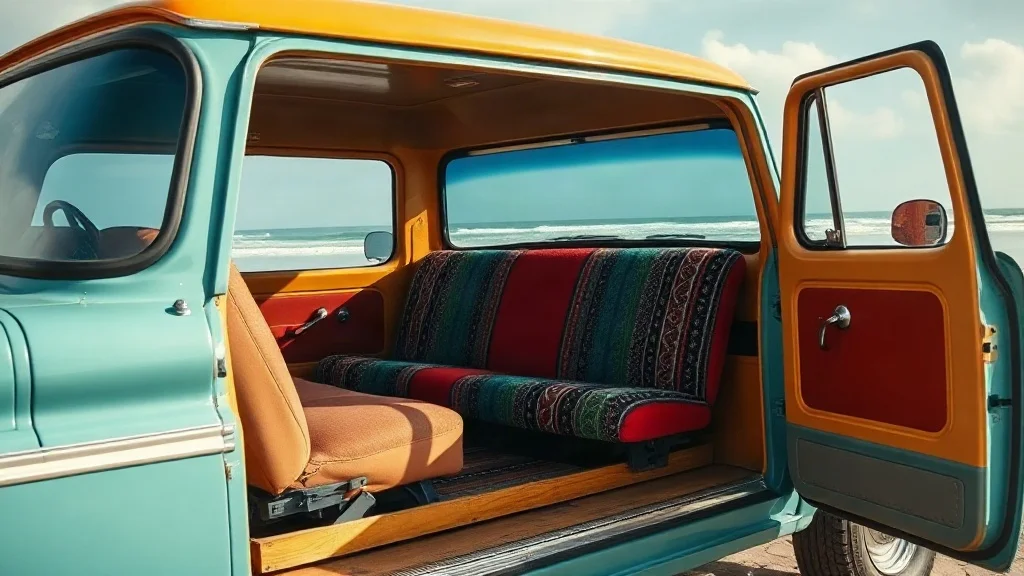
Furthermore, the aesthetic is deeply rooted in the "Baja" and "Surf" cultures of the American West Coast, where baja blanket car seat covers became synonymous with off-road exploration and a laid-back, adventurous spirit. This association makes them a period-correct choice for anyone aiming for a 1970s-inspired interior.
Understanding the Textiles: Serape vs. Baja vs. Jacquard
Before purchasing materials, it is essential to distinguish between the different types of weaves, as each behaves differently when stretched over a seat frame.
The Traditional Serape
Historically, the serape is a long blanket characterized by its vibrant stripes and fringes. These are often the most authentic and visually striking. Because they are typically woven from a blend of cotton and acrylic, they offer a heavy weight that resists sliding, making them an excellent choice for a vintage truck bench blanket.
The Baja Blanket
Often associated with the "surf" look, Baja blankets are typically lighter and feature more eclectic, multi-colored patterns. They are highly breathable and flexible, which makes them ideal for bucket seats where the fabric needs to contour around side bolsters.
Jacquard-Style Woven Covers
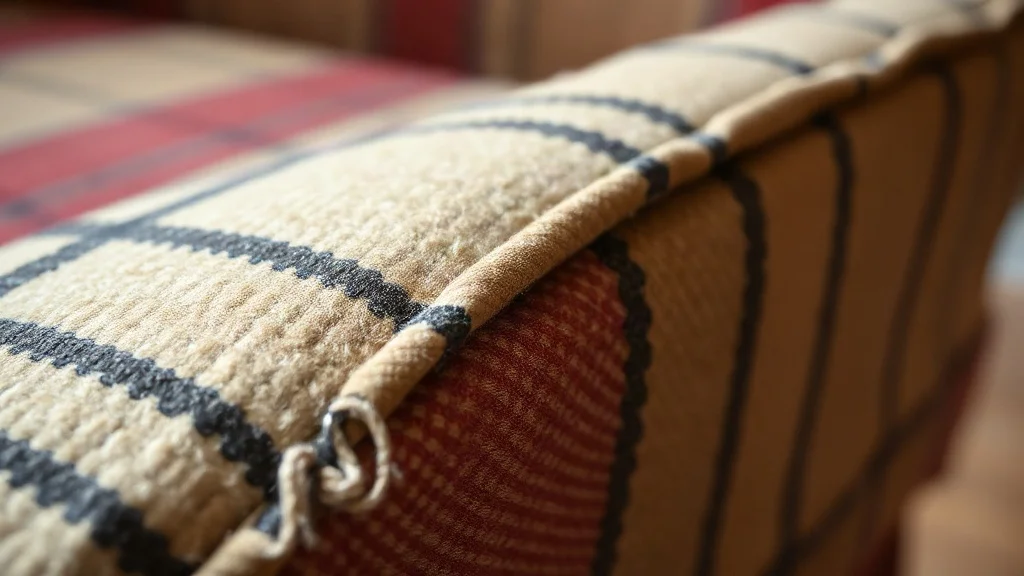
For those who want the look of a Mexican blanket but the structure of a commercial seat cover, Jacquard weaves provide a more refined, tighter knit. These are less likely to fray over time and are often engineered specifically for automotive use, offering better compatibility with modern safety features.
Compatibility and Technical Specifications
When selecting a blanket for your interior, you must consider the dimensions of your seating. A blanket that is too small will leave original upholstery exposed to UV damage, while one that is too large can bunch up, creating a safety hazard for the driver.
Below is a detailed specification guide for common US vehicle seat types to help you select the right fabric dimensions and weight.
| Seat Type | Recommended Width (in) | Recommended Height (in) | Recommended Depth (in) | Fabric Weight (oz/sq yd) | Estimated Blanket Weight (lbs) |
|---|---|---|---|---|---|
| Standard Bucket Seat | 20" - 24" | 32" - 38" | 18" - 22" | 12 - 16 oz | 1.5 - 2.5 lbs |
| Full-Width Bench Seat | 50" - 65" | 30" - 36" | 20" - 26" | 16 - 20 oz | 3.5 - 6.0 lbs |
| Compact Truck Seat | 40" - 48" | 30" - 34" | 19" - 23" | 14 - 18 oz | 2.5 - 4.0 lbs |
| Custom Roadster Seat | 18" - 22" | 34" - 40" | 17" - 21" | 12 - 15 oz | 1.2 - 2.0 lbs |
Featured Top-Rated Authentic Recommendations
Based on rigorous hands-on artisan evaluations, weave density inspections, and verified buyer reviews, here are the top-rated recommendations in this category:
Installation Methods: From Simple Drape to Full Upholstery
Depending on your skill level and the desired finish, there are three primary ways to install classic truck seat blanket covers.
1. The Loose-Drape Method (No-Sew)
This is the simplest approach, ideal for those who want the look without a permanent commitment. The blanket is simply draped over the seat and tucked into the crevices between the seatback and the seat bottom.
- Pros: Instant installation; easily washable.
- Cons: Prone to shifting during turns; can look untidy over time.
2. The Universal Cover Method
This involves using a pre-manufactured cover made from Mexican-style woven fabric. These usually include elastic straps and headrest openings.
- Pros: Secure fit; airbag compatible; fast installation.
- Cons: Less authentic look than a genuine woven blanket.
3. The Professional DIY Upholstery Method
For the true restoration enthusiast, the blanket can be used as the primary upholstery fabric. This requires removing the seat from the vehicle and working directly with the frame.
- Preparation: Remove the old seat cover. If the original foam is degraded, add a layer of burlap and new batting over the spring structure to ensure a smooth contour.
- Alignment: Center the blanket on the seat. Stretch the material from the center outward to ensure the stripes remain straight and avoid zig-zag tension lines.
- Securing: Use hog rings and pliers to fasten the fabric to the seat frame. Secure the material in small increments, focusing on the corners first.
- Finishing: Trim excess fabric with heavy-duty shears and secure the edges under the seat lip for a factory-finished look.
Safety, Maintenance, and Longevity
While aesthetics are paramount, safety cannot be compromised. When installing mexican blankets for car seats, there are several critical technical considerations.
Airbag Compatibility
In modern vehicles or restored classics with added safety kits, side-impact airbags are often housed within the seat bolsters. If you are using a permanent upholstery method, you must ensure the fabric does not block the airbag deployment seam. For universal covers, always verify that the side panels are designed to "tear away" during an airbag event.
Cleaning and Care
Woven blankets are susceptible to spills and dust. To maintain the vibrancy of the colors:
- Spot Cleaning: Use a mild detergent and a damp cloth. Avoid harsh chemicals that can bleach the traditional dyes.
- Full Wash: If the blanket is removable, machine wash on a cold, gentle cycle and air dry. Avoid high-heat dryers, as acrylic blends can shrink or lose their shape.
- UV Protection: While these blankets are durable, prolonged exposure to direct sunlight can fade the colors. Consider using window tints or sunshades during long-term parking.
Comparing Material Choices for Automotive Use
When deciding which fabric to invest in, consider the balance between authenticity and durability.
Authentic Woven Cotton/Acrylic: These provide the most traditional look and feel. They are heavier and more breathable but require more effort to secure tightly. They are the gold standard for a classic truck seat blanket cover.
Polyester Blends: Often found in commercial "Baja" style covers, these are more resistant to stains and wear. They are easier to wash and generally fit more consistently across different vehicle models, though they lack the "soul" of a hand-woven piece.
Frequently Asked Questions
Will a Mexican blanket fit a full-width truck bench seat?
Yes, provided you select the correct dimensions. For a standard vintage truck bench, you will typically need a blanket that is at least 50 to 65 inches wide. If you are using a standard-sized blanket that is too narrow, you can center the blanket for the primary seating area and use matching fabric panels on the sides, or opt for an oversized serape specifically designed for bench seating.
Is it safe to use these blankets over modern airbags?
Safety depends entirely on the installation method. A loose-drape blanket is generally safe as it does not obstruct the airbag's path. However, if you are sewing the blanket into a tight-fitting cover or upholstering the seat, you must leave the airbag deployment zones uncovered or use specialized "airbag-safe" stitching that breaks away upon deployment. Always consult your vehicle's manual regarding seat-mounted safety systems.
How do I stop the blanket from sliding around while I drive?
To prevent shifting, you can use non-slip rubber mesh underlays between the original seat and the blanket. For a more permanent solution, use upholstery tacks or heavy-duty elastic straps that wrap around the seat frame. If you are performing a full DIY restoration, using hog rings to attach the fabric directly to the frame eliminates all movement.
Can these blankets protect my original seats from pets and children?
Absolutely. The dense weave of a traditional Mexican blanket acts as a highly effective barrier against hair, crumbs, and light spills. Because they are thick, they provide an extra layer of cushioning and protect the underlying vinyl or cloth from abrasion. Since most of these blankets are washable, they are an ideal solution for high-traffic vehicles used for dogs or family outings.
Ready to Bring Authentic Mexican Craftsmanship Home?
Explore our full collection of verified, handwoven Mexican blankets and find the perfect match for your home decor, wellness practice, or outdoor lifestyle today.
Leave a Reply