
The Biker’s Guide to Mexican Blanket Rolls on Motorcycles: Style & Function
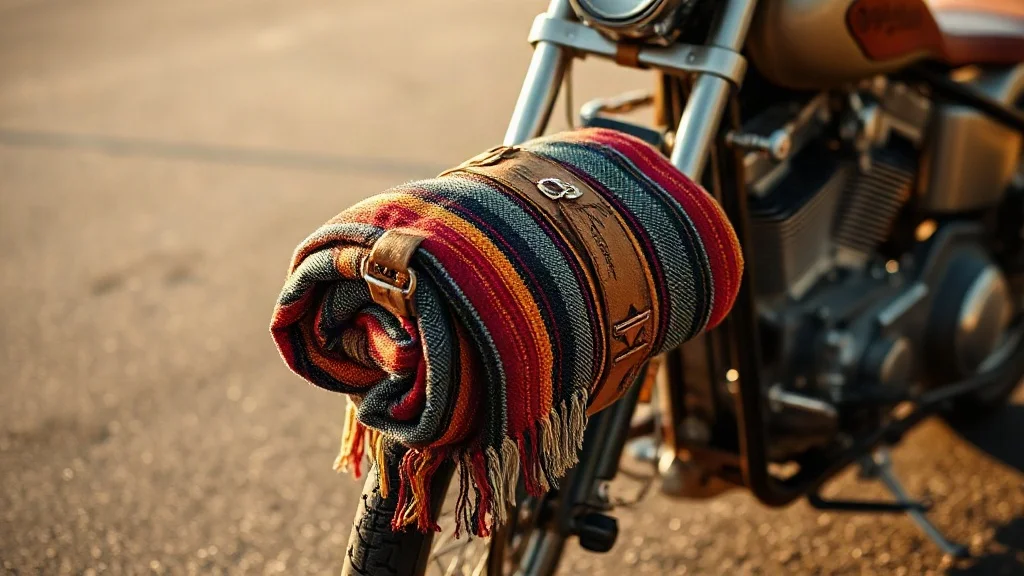
In the world of custom motorcycles, there is a fine line between an accessory that looks good and an accessory that serves a purpose. Few items bridge this gap as iconically as the practice of mounting mexican blankets on motorcycles. Whether you are piloting a long-forked chopper, a classic bobber, or a modern cruiser, the rolled serape—secured tightly with leather straps—is more than just a visual nod to lowrider and outlaw culture. It is a versatile piece of gear that transforms a bike into a mobile basecamp.
Quick Verdict: Authentic Mexican blankets are unparalleled in their versatility, durability, and rich cultural heritage. Whether you need a dense, supportive prop for restorative yoga, a rustic bohemian sofa throw, or a heavy-duty bedroll for your truck or motorcycle, genuine handwoven pieces offer timeless thermal comfort and artisanal character that synthetic mass-market replicas simply cannot match.
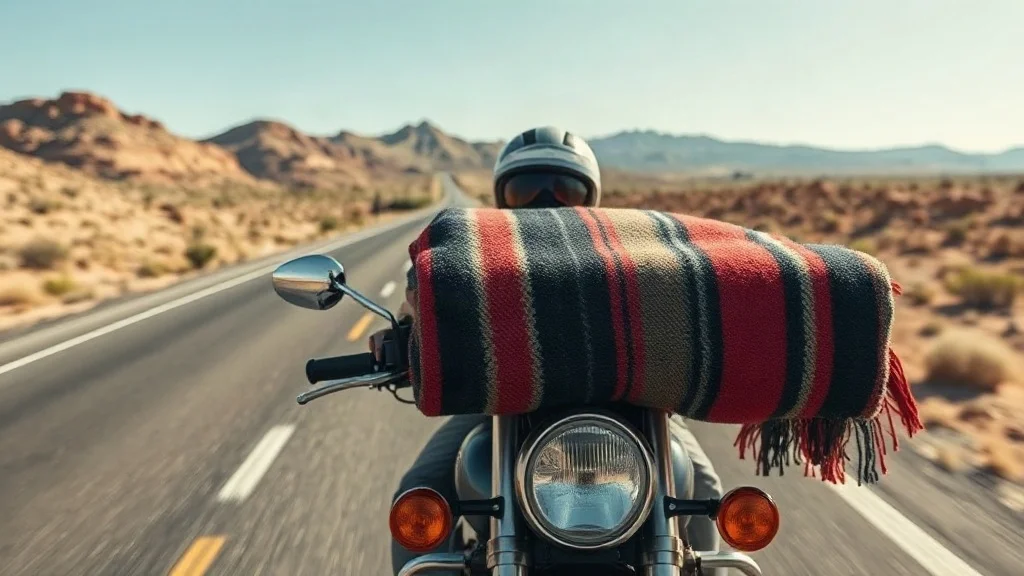
For the uninitiated, a motorcycle bedroll is a marriage of Mexican textile heritage and American road culture. It provides a windbreak, a nap-mat for roadside breaks, and a layer of warmth for moto-camping, all while maintaining a minimalist silhouette that doesn't clutter the lines of a custom build. This guide explores everything from the cultural origins of the serape to the technical specifications required to ensure your gear stays secure at highway speeds.
The Cultural Intersection: From Traditional Textiles to Chopper Style
To understand why mexican blankets for motorcycles became a staple of the scene, one must look at the history of the serape. Traditionally, the serape is a long, colorful blanket originating from Mexico, historically worn as a shawl or used as a blanket. Its bold stripes and vibrant palettes were a hallmark of regional identity and craftsmanship.
As chopper and lowrider cultures evolved in the United States, there was a natural gravitation toward these textiles. The serape offered a splash of color against the chrome and black paint of custom bikes, but more importantly, it offered utility. Early riders needed a way to carry basic gear without the bulk of modern panniers or hard luggage. A tightly rolled blanket, cinched with leather, became the "minimalist luggage" of choice. Over decades, this transitioned from a necessity to a stylistic signature, symbolizing a spirit of adventure, rebellion, and a connection to the open road.
Choosing the Right Blanket: Materials and Dimensions
Not every blanket is suited for the rigors of the road. When selecting a chopper serape blanket roll, you must balance authenticity with durability. The environment a motorcycle operates in—exposed to UV rays, road grime, rain, and high-velocity wind—demands a specific set of material properties.
Material Breakdowns
- Acrylic and Polyester Blends: These are the most common in "Mexican-style" blankets. They are highly durable, resist shrinking, and dry much faster than pure cotton. For riders who frequently encounter rain or dew during camping, these blends are the practical choice.
- Cotton-Heavy Falsas: These offer a softer feel and better breathability. While they are more traditional and comfortable for skin contact, they absorb more water and take longer to dry, which can lead to mildew if stored damp.
- Recycled Fibers: Many modern serapes use recycled materials that mimic the look of traditional wool but offer the weight and ease of care of synthetic fibers.
Sizing for the Bike
The size of your blanket determines how it fits on your frame. A blanket that is too large will create a bulky roll that may interfere with your sissy bar or luggage rack; one that is too small will fail to serve as a functional bedroll.
The industry standard for a motorcycle bedroll is approximately 60" x 80". This size allows the rider to fold the blanket lengthwise and roll it into a compact cylinder that fits comfortably across a rear fender or strapped to a fork, while still providing full-body coverage when unfolded.
Technical Specifications Comparison
When shopping for your setup, use the following table to compare the most common configurations found in the US market.
| Feature | Utilitarian Setup | Heritage/Custom Setup | Moto-Camping Pro |
|---|---|---|---|
| Blanket Material | Acrylic/Poly Blend | Cotton/Wool Mix | Heavy-duty Synthetic Blend |
| Average Dimensions | 60" x 80" | 5' x 7' (60" x 84") | 60" x 90" |
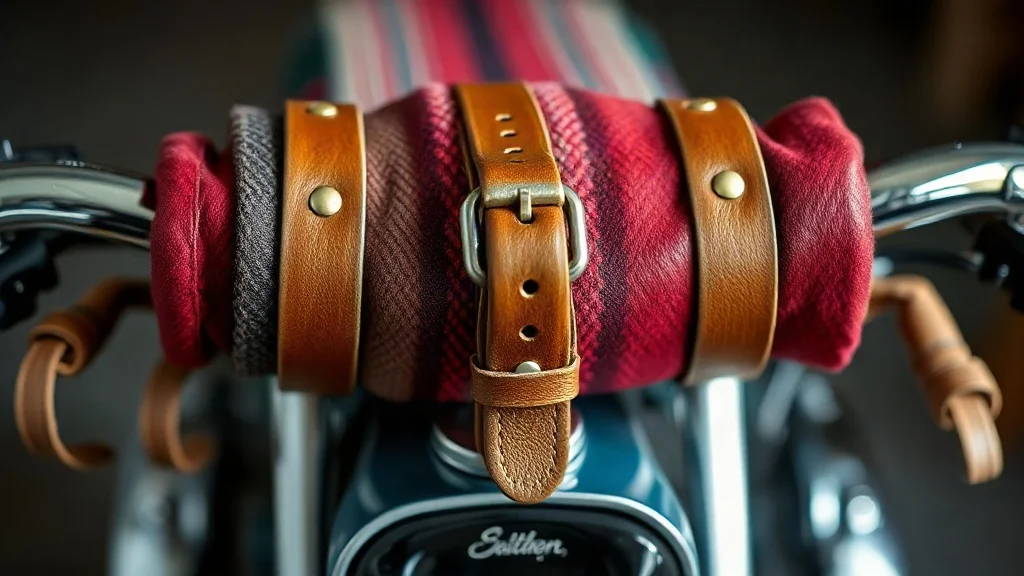
| Strap Material | Nylon/Synthetic | Genuine Top-Grain Leather | Reinforced Leather with Buckles |
| Weight (Approx.) | 2.5 lbs | 3.5 lbs | 4.2 lbs |
| Primary Use | Aesthetic/Light Use | Show Bike/Style | Overnighting/Touring |
| Dry Time | Fast | Slow | Moderate |
Featured Top-Rated Authentic Recommendations
Based on rigorous hands-on artisan evaluations, weave density inspections, and verified buyer reviews, here are the top-rated recommendations in this category:
How to Properly Mount Your Blanket Roll
A loose blanket on a motorcycle is a safety hazard. If a roll shifts at 70 mph, it can interfere with the rear wheel, the drive belt, or the exhaust. Using a proper biker blanket tie down system is non-negotiable.
Step-by-Step Installation Guide
- The Fold: Lay your blanket flat on a clean surface. Fold it in half lengthwise, then fold it in half again. You should now have a long, narrow strip.
- The Roll: Starting from one end, roll the blanket as tightly as possible. A tight roll is less likely to shift and resists absorbing road spray.
- The Placement: Position the roll on your chosen attachment point. Common locations include:
- Sissy Bar: The most classic position, resting horizontally across the backrest.
- Fender Struts: Mounted just above the rear tire (ensure clearance).
- Handlebars/Forks: Common on stripped-down choppers for a "front-load" look.
- Luggage Rack: The most stable option for long-distance touring.
- The Cinch: Thread your motorcycle bedroll straps around the roll and the bike's frame. If using leather straps, ensure the buckle is tightened until the roll is compressed.
- The Safety Check: Give the roll a firm shake. It should not move more than a fraction of an inch. Ensure the straps are clear of the chain, belt, and exhaust pipes.
- The Road Test: Ride for five minutes at low speed, then stop and re-check the tension. Vibrations often loosen straps during the first few miles of a trip.
Leather Straps vs. Synthetic Tie-Downs
The choice of strapping is where most riders decide between a "look" and a "tool."
Leather Straps: These are the gold standard for the chopper aesthetic. Genuine leather provides a timeless look and, once broken in, creates a high-friction grip that holds the blanket securely. Leather also ages with the bike, developing a patina that matches the weathered look of a road-worn machine.
Synthetic Straps: Nylon or polyester straps are often easier to tighten using cam-buckles or ratchets. They are impervious to rain and will not stretch over time. However, they lack the cultural authenticity and visual weight that leather provides.
Practical Applications Beyond Aesthetics
While many riders install a serape roll for the style, the true value lies in its versatility. A Mexican blanket is a multi-tool for the road:
- The Emergency Bedroll: When the sun goes down and you're miles from a motel, a 60" x 80" blanket is the difference between a miserable night and a restful one.
- Windbreak: During a roadside break, the heavy weave of a serape can be draped over the shoulders to block wind-chill.
- Ground Cover: In moto-camping, the blanket serves as a clean barrier between your gear and the dirt.
- The Picnic Throw: For day trips, it is an easy way to set up a resting spot in a park or by a river.
Maintenance and Care for Your Road Blanket
Because these blankets are exposed to the elements, they require specific care to avoid degradation.
Cleaning
Avoid machine washing if the blanket has a high cotton content, as it may shrink and lose its shape. Spot cleaning with a damp cloth and mild soap is usually sufficient. For a full clean, hand wash in a tub and air dry away from direct, intense sunlight to prevent the dyes from fading.
Leather Care
If you are using leather bedroll straps, treat them with a leather conditioner once a season. This prevents the leather from cracking under the sun and ensures the straps remain flexible for easy tightening.
Storage
When not in use on the bike, store the blanket unfolded in a cool, dry place to prevent permanent creases and moisture buildup.
Frequently Asked Questions
What size Mexican blanket works best for a motorcycle?
The ideal size is generally around 60" x 80" (approximately 150 x 203 cm). This dimension is large enough to function as a full-sized bedroll for an adult but small enough to be rolled into a compact cylinder that doesn't disrupt the bike's balance or aesthetics.
Are leather straps better than synthetic ones for securing a blanket?
It depends on your priority. For authenticity and the classic chopper look, leather is superior. Leather also provides excellent grip. However, for those who prioritize extreme tension and quick-release functionality, synthetic cam-straps are more efficient. For most custom builds, leather is the preferred choice for its durability and style.
Can these blankets be used for actual camping, or are they just for show?
They are highly functional. While a serape isn't a replacement for a technical sleeping bag in sub-zero temperatures, it is an excellent layering piece. Many riders use them as a top cover over a sleeping bag or as a standalone blanket for temperate weather. The dense weave provides surprising warmth and wind resistance.
Is it safe to mount a blanket roll on the front forks?
It can be safe, but it requires extreme caution. When mounting on forks or handlebars, the roll must be positioned so that it cannot slide down into the wheel or interfere with the steering lock or brake lines. We recommend using reinforced leather straps and double-checking the tension before every ride. If you are unsure, the sissy bar or luggage rack is a much safer mounting point.
Ready to Bring Authentic Mexican Craftsmanship Home?
Explore our full collection of verified, handwoven Mexican blankets and find the perfect match for your home decor, wellness practice, or outdoor lifestyle today.
Leave a Reply