
Camping with Mexican Blankets: Warmth, Campfire Durability & Packing Tips
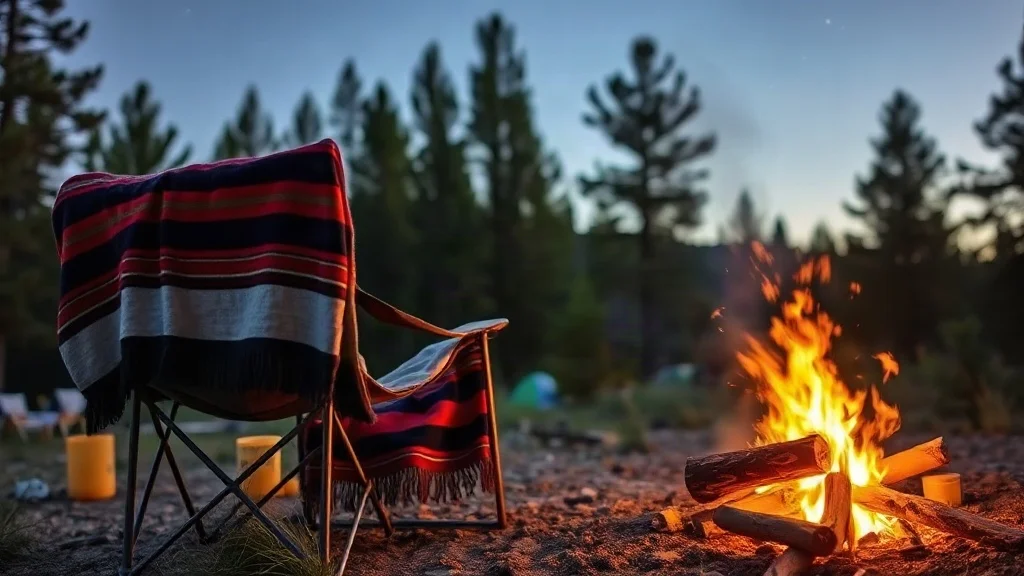
For the seasoned outdoorsman and the weekend warrior alike, the quest for the perfect camping blanket is a balance of three competing factors: warmth, weight, and durability. While modern synthetic “puffy” blankets have their place in a backpack, there is a reason why the rugged, woven aesthetic of outdoor mexican blankets has remained a staple of campsite culture for decades. From the high deserts of the Southwest to the damp forests of the Pacific Northwest, these textiles offer a versatility that synthetic fleece simply cannot match.
Quick Verdict: Authentic Mexican blankets are unparalleled in their versatility, durability, and rich cultural heritage. Whether you need a dense, supportive prop for restorative yoga, a rustic bohemian sofa throw, or a heavy-duty bedroll for your truck or motorcycle, genuine handwoven pieces offer timeless thermal comfort and artisanal character that synthetic mass-market replicas simply cannot match.
Whether you are looking for a rugged camping throw to toss over your shoulders by the fire or a heavy-duty outdoor wool blanket to serve as a base layer in your sleeping bag, understanding the nuances of material, weave, and utility is key. In this definitive guide, we explore why these blankets are the gold standard for open-air living and how to choose the right one for your next adventure.
Are Mexican Blankets Actually Good for Camping?
The short answer is yes, but with an important caveat: the material determines the performance. When people search for mexican blankets for camping, they are often looking for a hybrid piece of gear—something that functions as a picnic blanket, a beach towel, and a nighttime insulator all in one. Because of their dense weave and generous dimensions, these blankets excel in “base camp” scenarios where you aren't counting every single ounce of pack weight.
Unlike thin fleece throws that pill and tear when they snag on a campfire grate or a pine branch, a high-quality woven blanket is designed for friction. They are breathable enough to prevent overheating during a summer evening but dense enough to trap heat when the temperature drops. Furthermore, their visual versatility makes them as useful for decorating an RV interior as they are for keeping a toddler warm in a camping chair.
Material Matters: Wool vs. Recycled Blends
Not all outdoor mexican blankets are created equal. To make an informed purchase, you must distinguish between the traditional wool-heavy weaves and the more common recycled acrylic/cotton blends (often referred to as falsa blankets).
The Power of the Campfire Blanket Wool
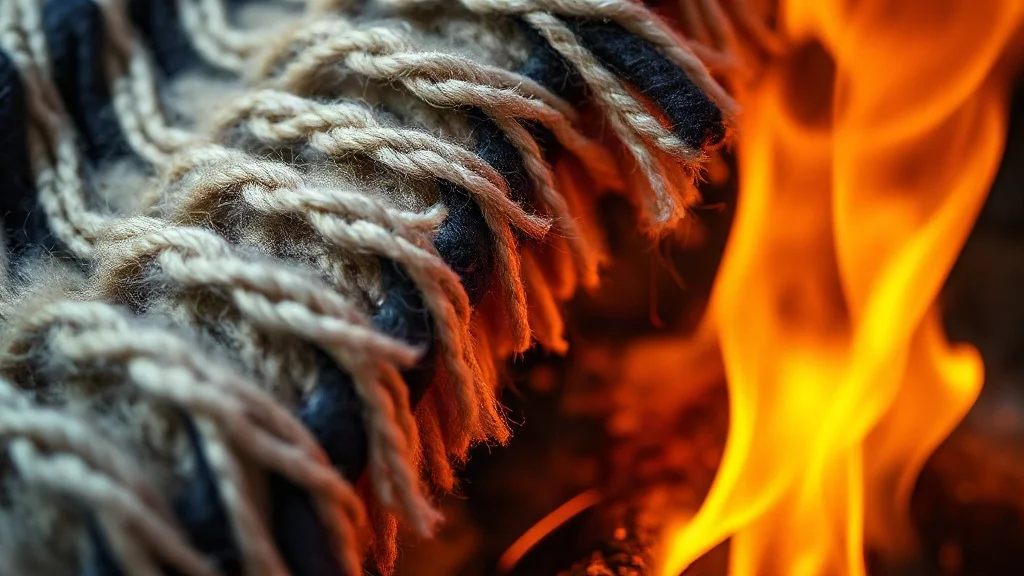
If your primary goal is warmth and safety around an open flame, a campfire blanket wool is the only choice. Wool is a miracle fiber for the outdoors. Its most critical attribute is its natural flame resistance; unlike polyester or acrylic, which melt and fuse to the skin when exposed to high heat or sparks, wool tends to char and self-extinguish.
Additionally, wool retains its insulating properties even when damp. In a survival situation or a rainy camping trip, a wet wool blanket can still keep your core temperature stable, whereas a synthetic blanket becomes a cold, soggy weight.
The Versatility of Recycled Blends
Blended blankets—made from recycled cotton, acrylic, and polyester—are the vibrant, colorful throws often seen at festivals and beaches. These are lighter, softer to the touch, and typically more affordable. While they lack the extreme weather performance of wool, they are ideal for “fair weather” camping, picnics, and as a decorative layer inside a tent. However, caution is required near the fire, as these synthetic fibers can melt if a stray ember lands on them.
Technical Specifications and Comparison
When shopping for a rugged camping throw, it is helpful to compare the technical performance of different materials side-by-side. The following table outlines the typical specs you will encounter in the US market.
| Feature | 100% Wool / Wool Blend | Recycled Acrylic/Cotton (Falsa) | Synthetic Fleece/Puffy |
|---|---|---|---|
| Avg. Dimensions | 60 x 80 in / 72 x 60 in | 55 x 78 in / 60 x 80 in | 50 x 60 in / 70 x 90 in |
| Avg. Weight | 3.5 lbs - 5.0 lbs | 2.0 lbs - 3.0 lbs | 1.0 lbs - 2.0 lbs |
| Fire Resistance | High (Chars, doesn't melt) | Low (Melts under heat) | Very Low (Melts quickly) |
| Wet Warmth | Excellent | Moderate | Poor to Moderate |
| Packability | Bulky / Heavy | Moderate | High / Compressible |
| Primary Use | Cold weather, Campfires | Picnics, Beach, RVs | Backpacking, Hiking |
Featured Top-Rated Authentic Recommendations
Based on rigorous hands-on artisan evaluations, weave density inspections, and verified buyer reviews, here are the top-rated recommendations in this category:

YOUR MOON Merino Wool Blanket: Cozy, Natural Comfort
Handcrafted artisan weave offering authentic Mexican heritage, durable thermal insulation, and exceptional longevity for home decor, yoga, and outdoor adventures.

Alpaca Wool Throw Blanket: Cozy, Elegant & Authentic
Handcrafted artisan weave offering authentic Mexican heritage, durable thermal insulation, and exceptional longevity for home decor, yoga, and outdoor adventures.
Campfire Safety and Durability
The true test of any outdoor wool blanket is the campfire. For many campers, the blanket serves as a “shield” between the body and the cold night air while facing the heat of the coals.
The Spark Factor: Campfires, especially those fueled by cedar or pine, produce “popping” sparks. Synthetic fabrics are essentially plastic; a single hot ember can burn a hole clean through a polyester blanket in seconds. Wool, however, possesses a high ignition temperature. While a spark might leave a tiny singe mark over time, it will rarely result in a catastrophic hole or a burn to the user.
Ruggedness: The tight, interlaced weave of a traditional Mexican-style blanket prevents the fabric from snagging easily. This makes it a superior choice for ground cover. Whether you are layering it over a plastic tarp or using it as a makeshift seat on a rocky outcrop, the structural integrity of the weave ensures that the blanket doesn't unravel or shred under pressure.
Packing and Portability Tips
While these blankets are more substantial than modern technical gear, they can be packed efficiently for car camping or van life. Follow these steps to maximize space and maintain the life of the textile:
- Debris Clear: Always shake out the blanket vigorously before packing. Removing sand, pine needles, and dirt prevents these particles from grinding into the fibers during transit.
- The “Burrito” Roll: Fold the blanket lengthwise into a narrow rectangle (roughly 12-15 inches wide). Starting from one end, roll it tightly toward the other. This creates a dense cylinder that is easier to wedge into a trunk or gear bin than a folded square.
- Breathable Storage: Avoid storing wool blankets in airtight plastic bags for long periods, as this can trap residual moisture and lead to mildew. A canvas tote or a breathable stuff sack is preferred.
- Layering Strategy: If you are hiking a short distance to your site, use the blanket as a wrap around your shoulders during the trek to save internal pack space.
- Post-Trip Airing: Upon returning home, do not immediately fold the blanket and put it in a closet. Hang it outdoors or in a ventilated room for 24 hours to allow campfire smoke and moisture to evaporate.
Care and Maintenance for Outdoor Use
Outdoor gear takes a beating. Between spilled coffee, campfire ash, and damp soil, your blanket will eventually need a deep clean. However, improper washing can ruin the texture and size of a woven blanket.
For Wool Blankets: Avoid the washing machine if possible. Spot clean with a mild detergent and cool water. If a full wash is necessary, use a wool-specific detergent on a gentle cycle with cold water. Never put a wool blanket in the dryer, as the heat and agitation will cause significant shrinking. Lay it flat on a towel to air dry away from direct sunlight.
For Recycled Blends: These are generally more forgiving. Machine wash cold on a gentle cycle. Tumble dry on low heat or air dry. Avoid bleach and harsh chemicals, which can fade the vibrant traditional dyes.
Cultural Context: Falsas, Serapes, and Authenticity
To truly appreciate these textiles, one must understand the terminology. In the United States, the term “Mexican blanket” has become a broad marketing category, but there are distinct styles.
The Falsa: The most common “outdoor” blanket. It is a woven textile, typically with stripes, designed for utility and warmth. The name comes from the Spanish word for “false,” referring to the fact that these were traditionally made from acrylics to mimic the look of more expensive wool.
The Serape: Historically, a serape is a long, shawl-like garment worn by men in Mexico. While modern serape-style blankets are popular for camping, a true serape is often more ornate and intended as clothing rather than rugged ground cover.
The Baja: Often associated with “surf culture,” the Baja blanket (or Jerga) is a coarser weave often used in hoodies. These are excellent for rugged use but lack the insulating properties of a heavy wool blanket.
When purchasing, be aware that “Mexican-inspired” does not always mean “Made in Mexico.” For the highest quality and cultural authenticity, look for producers who utilize traditional loom techniques and natural wool fibers.
Frequently Asked Questions
Are Mexican blankets warm enough for winter camping?
On their own, a wool Mexican blanket is an excellent insulator for cool autumn nights or as a layering piece. However, for sub-freezing temperatures, they should be used as part of a system. Use the blanket as a cozy topper over a rated sleeping bag or as a heavy base layer beneath you to insulate your body from the cold ground. The denser the weave, the better the heat retention.
Can I use these blankets as a ground tarp?
Yes, they are much more durable than fleece or thin cotton sheets. However, they are absorbent. If the ground is damp, the blanket will soak up moisture. We recommend placing a waterproof tarp or a plastic groundsheet beneath your blanket to keep the fabric dry and prolong the life of the fibers.
Will a wool blanket itch against my skin?
Depending on the grade of wool, some users may experience a slight prickle. This is a characteristic of the natural fiber's diameter. For those with sensitive skin, we recommend using the blanket over a base layer of thermal underwear or a fleece jacket. Over time, wool blankets often soften with use and washing.
How do I remove campfire smells from my blanket?
Avoid over-washing, which can strip the natural oils from wool. Instead, hang the blanket outdoors in a breezy area for a full day. If the smell persists, a light misting of a mixture of water and white vinegar can neutralize odors. For wool, you can also sprinkle baking soda on the fabric, let it sit for an hour, and vacuum it off before hanging it outside.
Ready to Bring Authentic Mexican Craftsmanship Home?
Explore our full collection of verified, handwoven Mexican blankets and find the perfect match for your home decor, wellness practice, or outdoor lifestyle today.
Leave a Reply