
Are Mexican Blankets Warm Enough for Cold Winters? Weight & Thermal Tog Ratings
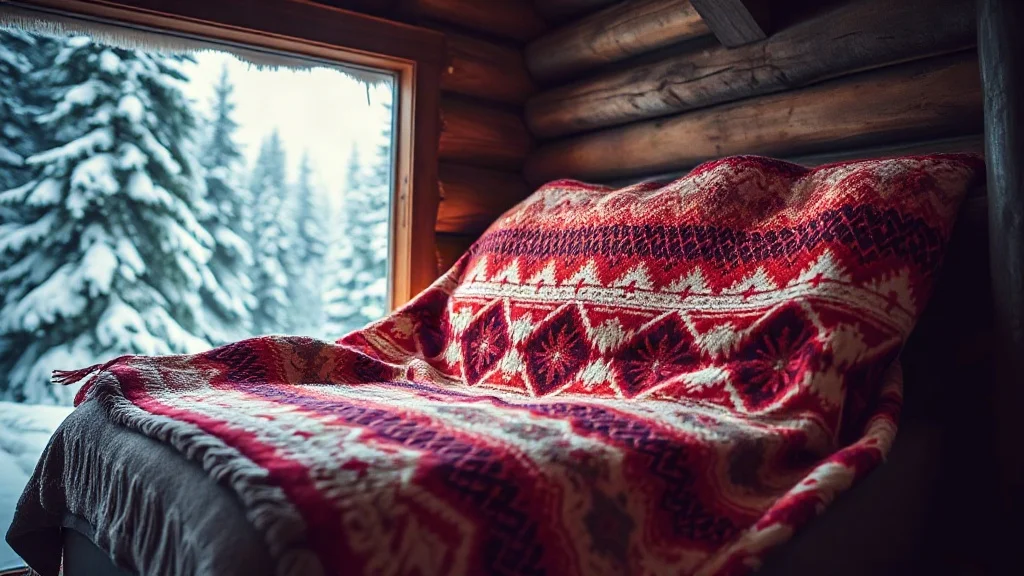
When the temperature drops and the draft begins to creep through the floorboards, the search for the perfect layer begins. For many, the solution is a vibrant, heavyweight Mexican blanket. These textiles are more than just bohemian decor or colorful additions to a living room; they are rooted in a legacy of practical survival in the diverse climates of Mexico.
Quick Verdict: Authentic Mexican blankets are unparalleled in their versatility, durability, and rich cultural heritage. Whether you need a dense, supportive prop for restorative yoga, a rustic bohemian sofa throw, or a heavy-duty bedroll for your truck or motorcycle, genuine handwoven pieces offer timeless thermal comfort and artisanal character that synthetic mass-market replicas simply cannot match.
But a common question arises for those living in the colder regions of the United States: Do Mexican blankets keep you warm during a true winter freeze? To answer this, we must look beyond the colors and dive into the physics of the weave, the history of the materials, and the technical specifications of thermal insulation.
Why Are Mexican Blankets So Warm? The Science of the Weave
If you have ever curled up under a heavy Mexican blanket and felt an immediate surge of heat, you are experiencing the result of specific textile engineering. When people ask why are mexican blankets so warm, the answer lies in three primary factors: density, air pockets, and material weight.
1. Dense Woven Construction
Unlike a loose-knit throw or a thin fleece blanket, traditional Mexican blankets—particularly those inspired by the serape—utilize a dense, tight weave. This construction creates a physical barrier that minimizes the amount of air that can pass through the fabric. By blocking drafts, the blanket prevents "convective heat loss," keeping your body heat trapped close to the skin.
2. The Role of Trapped Air Pockets
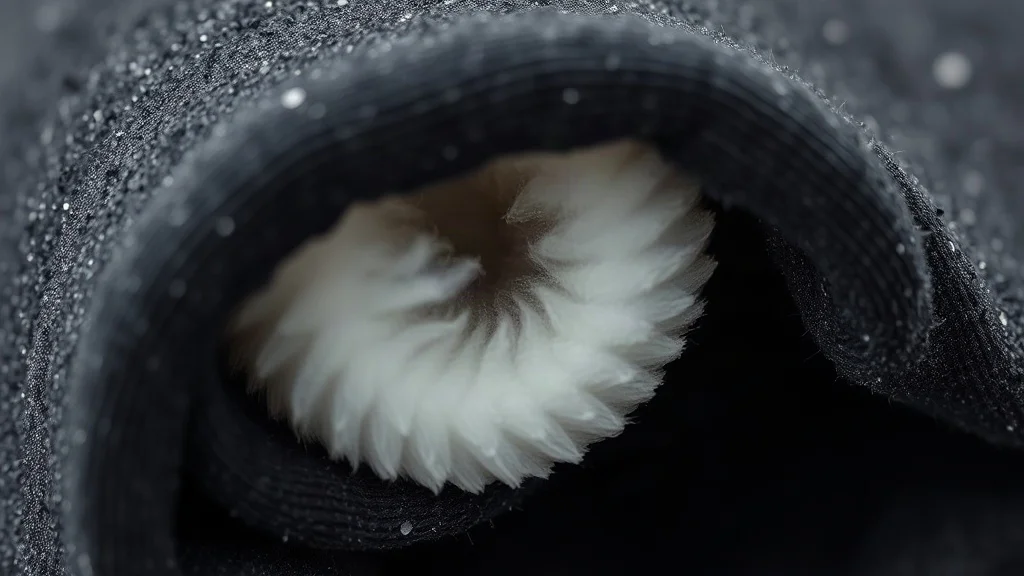
Thermal insulation is not just about the fabric itself, but about the air trapped within it. Heavy Mexican blankets feature a thickness that creates microscopic pockets of still air. Because air is a poor conductor of heat, these pockets act as a thermal buffer, insulating the user from the cold external environment.
3. Substantial Physical Weight
There is a psychological and physical component to the warmth of these blankets. The substantial weight of a heavy Mexican blanket ensures that it contours to the body, eliminating gaps where cold air could enter. This "weighty" feel is often associated with a sense of security and warmth, similar to the effect of a weighted blanket.
Material Matters: Choosing the Right Blanket for Winter
Not all Mexican blankets are created equal. Depending on whether you are looking for a decorative accent or a winter survival tool, the fiber content is the most critical specification to check.
Wool and Wool Blends: The Gold Standard for Cold
Historically, the sarape (or serape) was a wearing blanket used in the high altitudes of the Mexican highlands, where temperatures can plummet. Wool is naturally hydrophobic and possesses an inherent crimp that creates superior air pockets. For those seeking Mexican blankets for winter, a wool-rich blend is the only choice that provides true thermal insulation.
Cotton: The All-Season Versatile
Cotton blankets are highly breathable and excellent for mild winters or spring nights. While they are comfortable, they lack the insulating properties of wool. A cotton Mexican blanket is best used as a mid-layer rather than a primary heat source in freezing temperatures.
Acrylic and Synthetic Blends: The Modern Alternative
Many modern iterations are made from acrylic blends. These are often lighter and more affordable. While acrylic can mimic the "feel" of warmth, it does not manage moisture as well as wool and may not provide the same deep-tissue warmth during a harsh winter.
Comparing Warmth: Specification Table
To help you choose the right weight for your needs, we have categorized the common types of blankets found in the US market by their thermal performance and physical specifications.
| Blanket Type | Typical Material | Avg. Weight (lbs) | Avg. Dimensions (in) | Warmth Rating | Best Use Case |
|---|---|---|---|---|---|
| Lightweight Falsa | Cotton / Acrylic | 1.5 - 2.5 lbs | 50" x 60" | Low to Medium | Spring throws, decorative |
| Standard Heavyweight | Acrylic / Cotton Blend | 3.0 - 4.5 lbs | 60" x 80" | Medium to High | Couch layering, mild winter |
| Traditional Wool Serape | Pure Wool / Blend | 5.0 - 7.0 lbs | 50" x 80" | Very High | Freezing temps, camping, bed |
| Extra-Thick Winter Blend | Heavy Synthetic / Wool | 4.0 - 6.0 lbs | 60" x 90" | High | Bed topping, drafty rooms |
Featured Top-Rated Authentic Recommendations
Based on rigorous hands-on artisan evaluations, weave density inspections, and verified buyer reviews, here are the top-rated recommendations in this category:

JML King Fleece Blanket Review: Cozy, Durable & Stylish
Handcrafted artisan weave offering authentic Mexican heritage, durable thermal insulation, and exceptional longevity for home decor, yoga, and outdoor adventures.

HGOD DESIGNS Mexican Throw Blanket Review: Cozy Home Essential
Handcrafted artisan weave offering authentic Mexican heritage, durable thermal insulation, and exceptional longevity for home decor, yoga, and outdoor adventures.
Are Thick Mexican Blankets Warm Enough as a Sole Bed Layer?
The honest answer for most US consumers is: it depends on your definition of "warm."
If you are using a thick Mexican blanket warm enough for a 65-degree room, then yes, it is sufficient. However, if you are facing a midnight temperature of 32 degrees Fahrenheit in a drafty bedroom, a Mexican blanket alone is typically not a replacement for a high-insulation winter comforter or a down duvet.
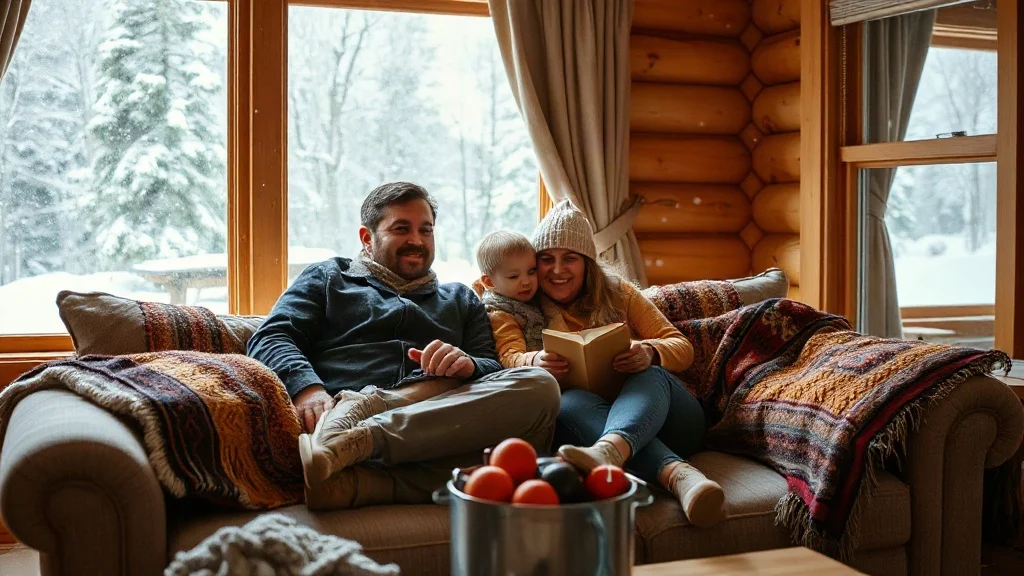
Mexican blankets are designed as supplemental insulation. In the tradition of the Mexican highlands, these blankets were often layered. The most effective way to use them in winter is through a layering system:
- Base Layer: Flannel or cotton sheets.
- Middle Layer: A heavyweight Mexican blanket to trap core heat.
- Top Layer: A duvet or comforter to seal in the warmth.
By placing the Mexican blanket in the middle or as a top throw, you leverage its density to block air movement while the comforter provides the loft needed for extreme cold.
Cultural History: From Outerwear to Home Decor
To understand why these blankets perform the way they do, one must understand their origin. The serape was never intended to be a mere "throw" for a sofa. It evolved from indigenous weaving traditions merged with Spanish colonial influences, specifically the introduction of wool-producing sheep and European loom technology.
Historically, the serape was a garment—a wearing blanket. It was draped over the shoulders or wrapped around the body, particularly by those on horseback in northern Mexico. Because it had to protect the wearer from wind, rain, and mountain cold, the weave had to be impenetrable. This is why modern versions still retain that characteristic heaviness; the "decor" we love today was originally "survival gear."
Buyer's Guide: How to Identify a Truly Warm Blanket
When shopping for heavy Mexican blankets online, it is easy to be fooled by photos. To ensure you are getting a product that provides actual warmth, look for these three indicators:
1. The "Hand" of the Fabric
If you can buy in person, feel the weight. A blanket that feels substantial and "stiff" usually has a tighter weave than one that feels soft and draped. While softness is nice for a nap, stiffness often indicates a denser weave that blocks more cold air.
2. Fiber Content Labels
Avoid blankets labeled simply as "polyester blend" if you need winter warmth. Look for "Wool Blend" or "Heavyweight Acrylic." The presence of wool significantly increases the thermal tog (the measure of thermal resistance).
3. Dimension Verification
Many authentic-style blankets are smaller than standard US Queen or King bed sizes. If you intend to use one for your bed, ensure the dimensions are at least 60" x 80" to avoid cold spots at the feet or sides.
Maintenance: Keeping Your Blanket Warm Over Time
The warmth of a Mexican blanket depends on the integrity of its weave. If the fibers break down or the blanket shrinks excessively, the air pockets disappear, and the blanket loses its thermal efficiency.
- Avoid High Heat: Never put a wool-blend Mexican blanket in a high-heat dryer. This can shrink the fibers and tighten the weave too much, or conversely, damage the structural integrity.
- Cold Wash: Use cold water and a gentle cycle. This prevents the fibers from fraying, ensuring the blanket remains "thick" and insulating.
- Air Dry: When possible, lay the blanket flat to dry. This maintains the original shape and thickness of the weave.
Frequently Asked Questions
Are Mexican blankets warm enough for winter?
They are excellent for mild-to-moderate winters and are highly effective when used as a layering piece. However, for freezing temperatures, they should be paired with a comforter or fleece sheets, as they lack the high-loft insulation found in down-filled bedding.
What is the warmest material for a Mexican blanket?
Wool is the warmest material. It provides the best natural insulation and continues to keep you warm even if it becomes slightly damp. Heavy wool blends are the best choice for those living in the coldest US climates.
Do thicker Mexican blankets shed or soften over time?
Yes, most heavy-weave blankets will undergo a "break-in" period. You may notice some minor shedding during the first few washes. Over time, the fibers relax, making the blanket softer while maintaining its thermal density.
Can I use a Mexican blanket as a bed blanket or just a throw?
You can absolutely use them as bed blankets. For a bed, we recommend the "Extra-Thick" or "Traditional Wool" varieties. Just be mindful of the dimensions, as traditional serapes are often narrower than standard US mattresses and may be better suited as a top-of-bed layer.
Ready to Bring Authentic Mexican Craftsmanship Home?
Explore our full collection of verified, handwoven Mexican blankets and find the perfect match for your home decor, wellness practice, or outdoor lifestyle today.
Leave a Reply